Portrait Photography with your Sony Alpha
Bring your emotions to life
Portrait photography is a fun and creative way to capture the personality and emotions of people.
This type of photography focuses on taking pictures of individuals or groups, showing their unique traits and expressions. Whether it’s a joyful moment of a child playing, a family gathering, or a stylish photo of a friend, portrait photography helps tell a story through images. To create great portraits, photographers pay attention to lighting, backgrounds, and how they frame their subjects. Using natural light or studio lights can set the right mood for the photo. The goal is to create images that connect with viewers and showcase the beauty of each person. Portrait photography not only captures special moments but also celebrates who we are, making it a wonderful way to express creativity and connect with others.
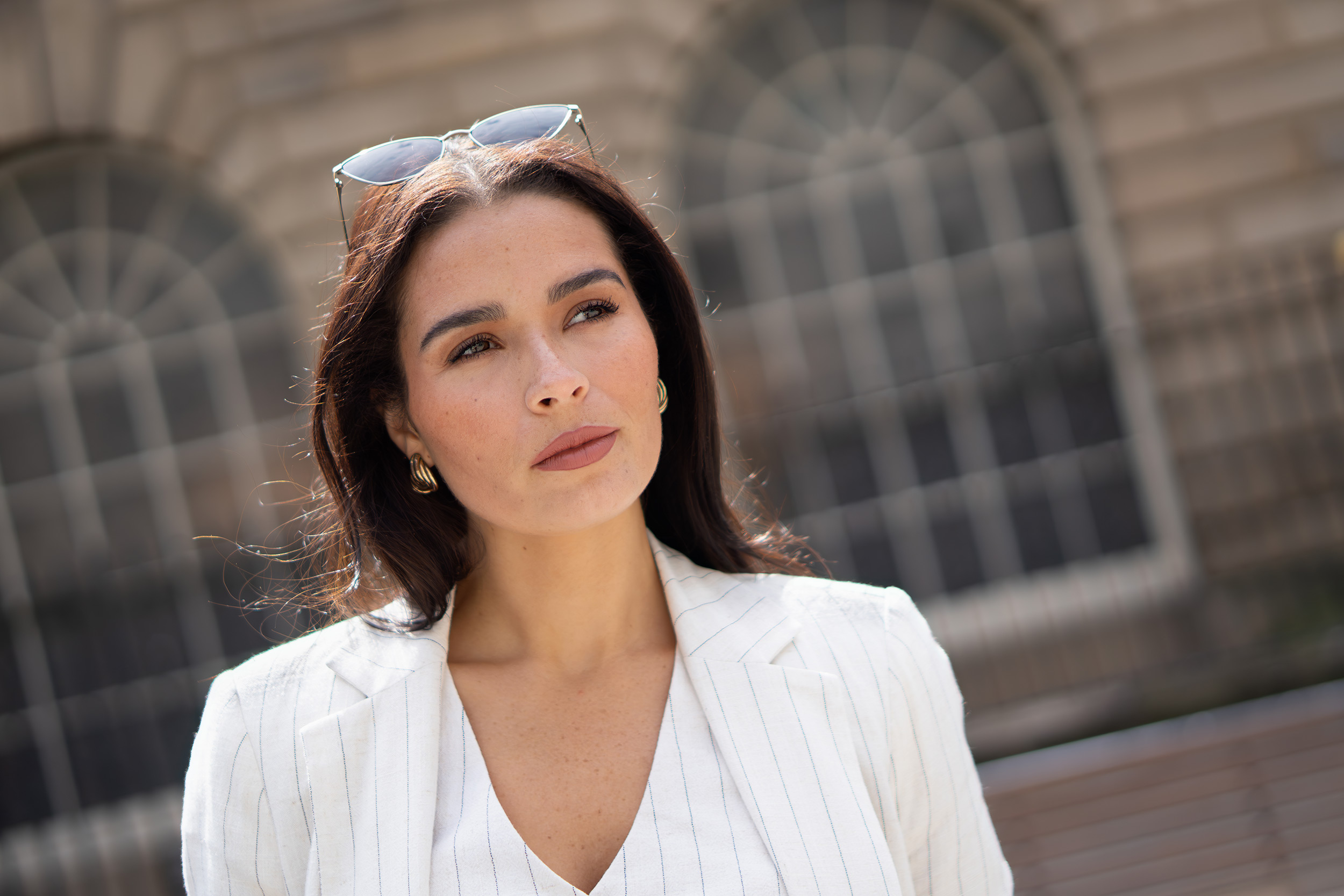 © Terry Donnelly | α6700 + E 50mm f/1.8 OSS | 1/2500s @ f/1.8, ISO 100
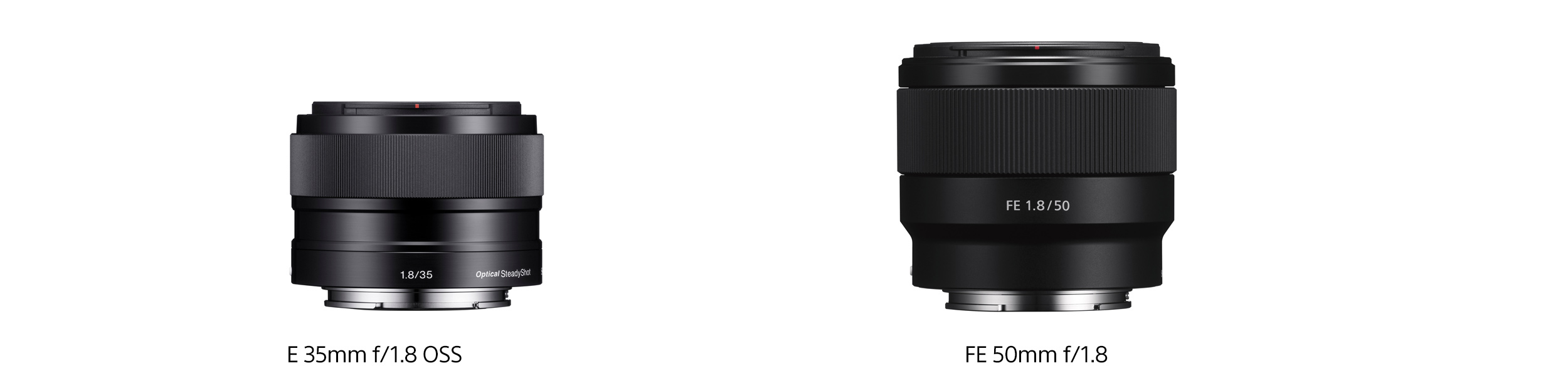
The lens that came with your Sony Alpha is excellent for general photography, but if you want to take your portraits to the next level, a standard wide-aperture lens such as the 50mm f/1.8 or 35mm f/1.8 is a great place to start. Whether you shoot with a Sony APS-C camera such as the Alpha 6700, or a full-frame camera like the Alpha 7 IV, Sony has a great range of suitable lenses to suit all budgets.
Using a wide aperture for portrait photography is important because it helps make the subject stand out. A wide aperture creates a nice, blurred background, which draws attention to the person you’re photographing and reduces distractions from other things in the scene. It also lets in more light, which is helpful if you’re shooting in a dimly lit area, ensuring your photo is bright and clear. This technique makes the subject look sharp and focused while the background appears soft and smooth. Overall, shooting with a wide aperture gives your portraits a more professional and polished look.
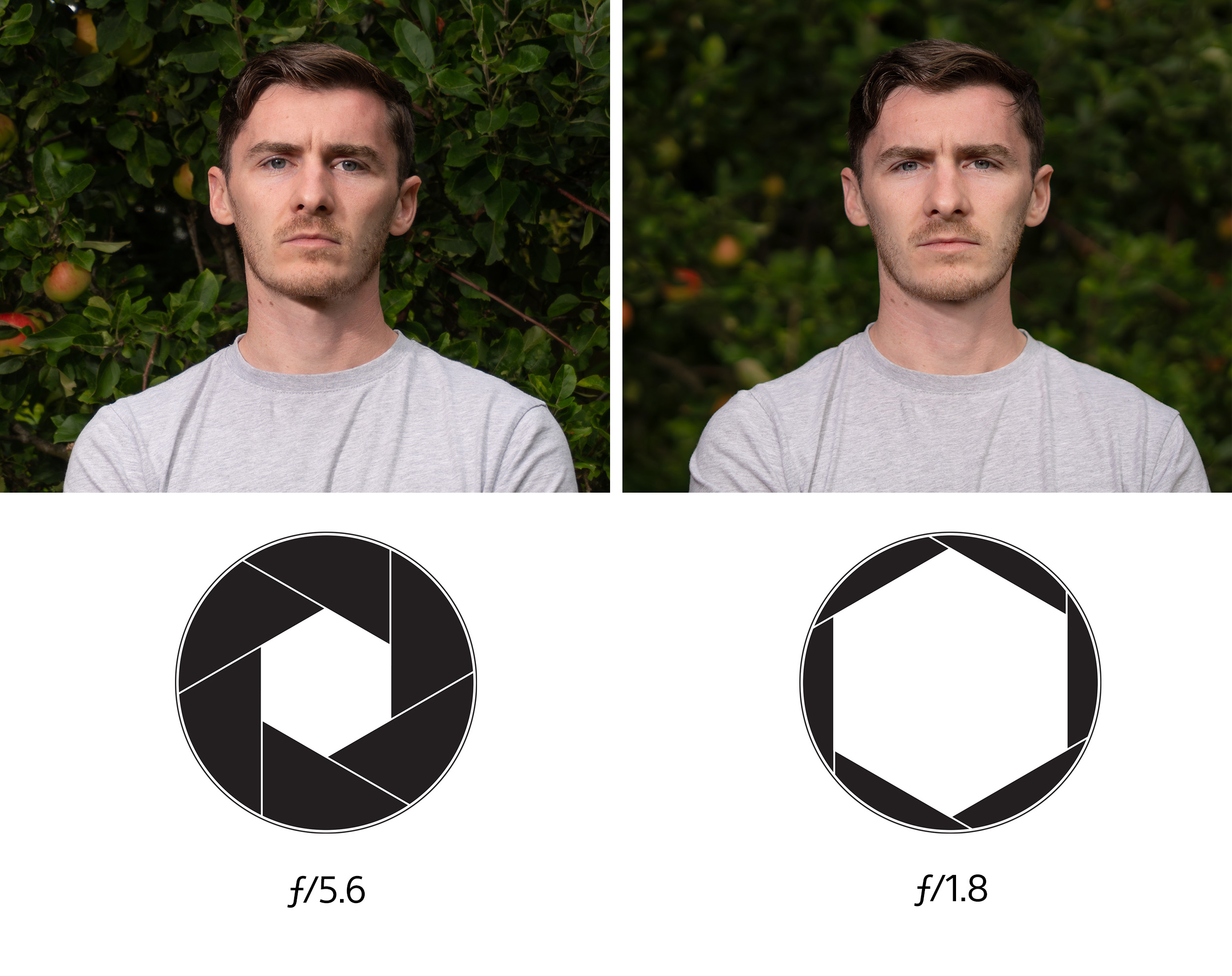
The image on the left was shot on the Alpha 6700 using the E PZ 16-50mm f/3.5-5.6 OSS kit lens, whereas the image on the right was shot using the E 50mm f/1.8 OSS.
As you can clearly see, the background is much softer on the right hand image and this is because it was shot using an f/1.8 aperture which isolates the subject from the background and draws attention to the face.
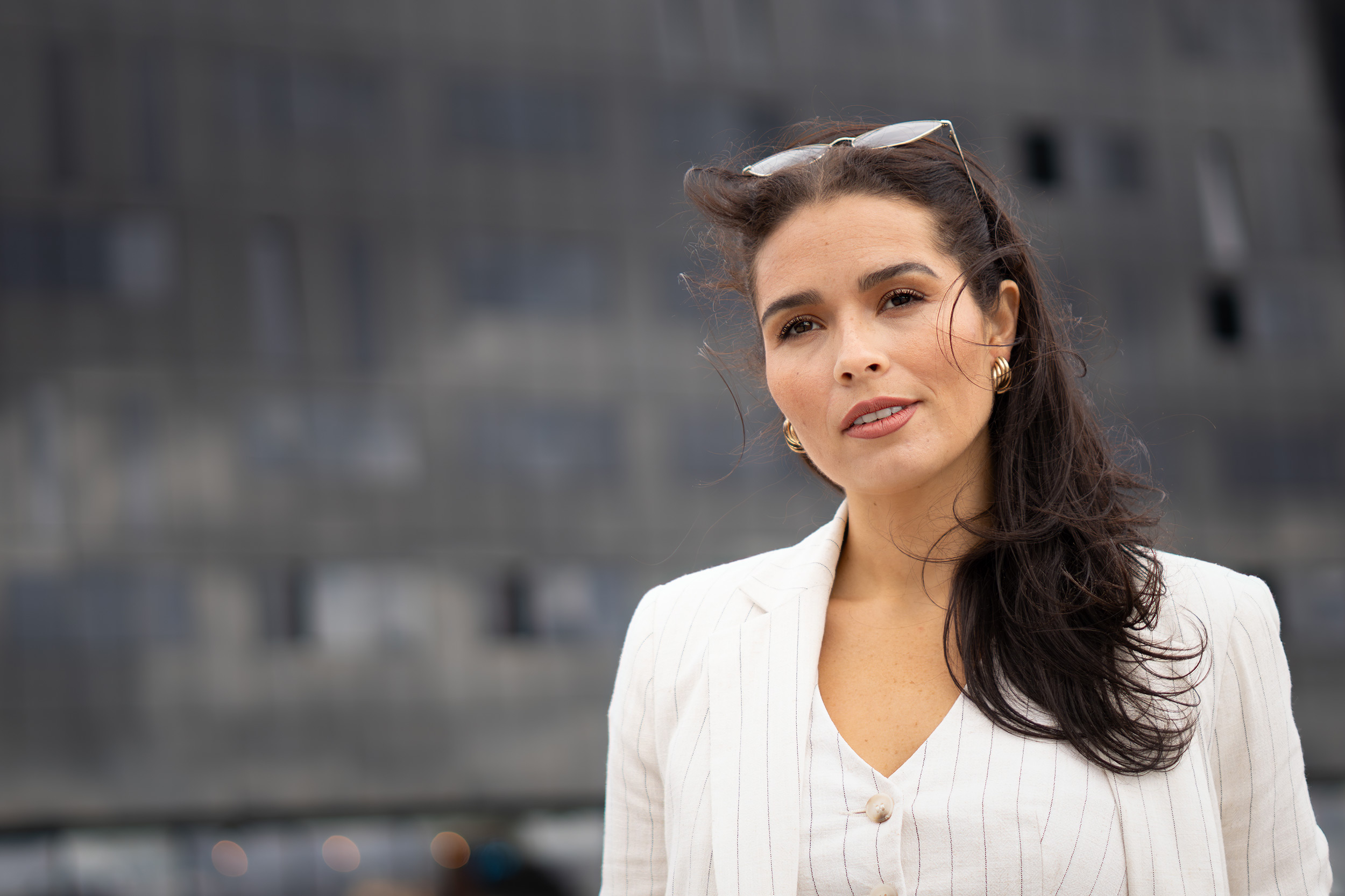 © Terry Donnelly | α6700 + E 50mm f/1.8 OSS | 1/1000s @ f/1.8, ISO 100
And don’t forget, portrait photography shouldn’t be confined to humans! You can apply the same principles to your furry friends and get the same stunning results.
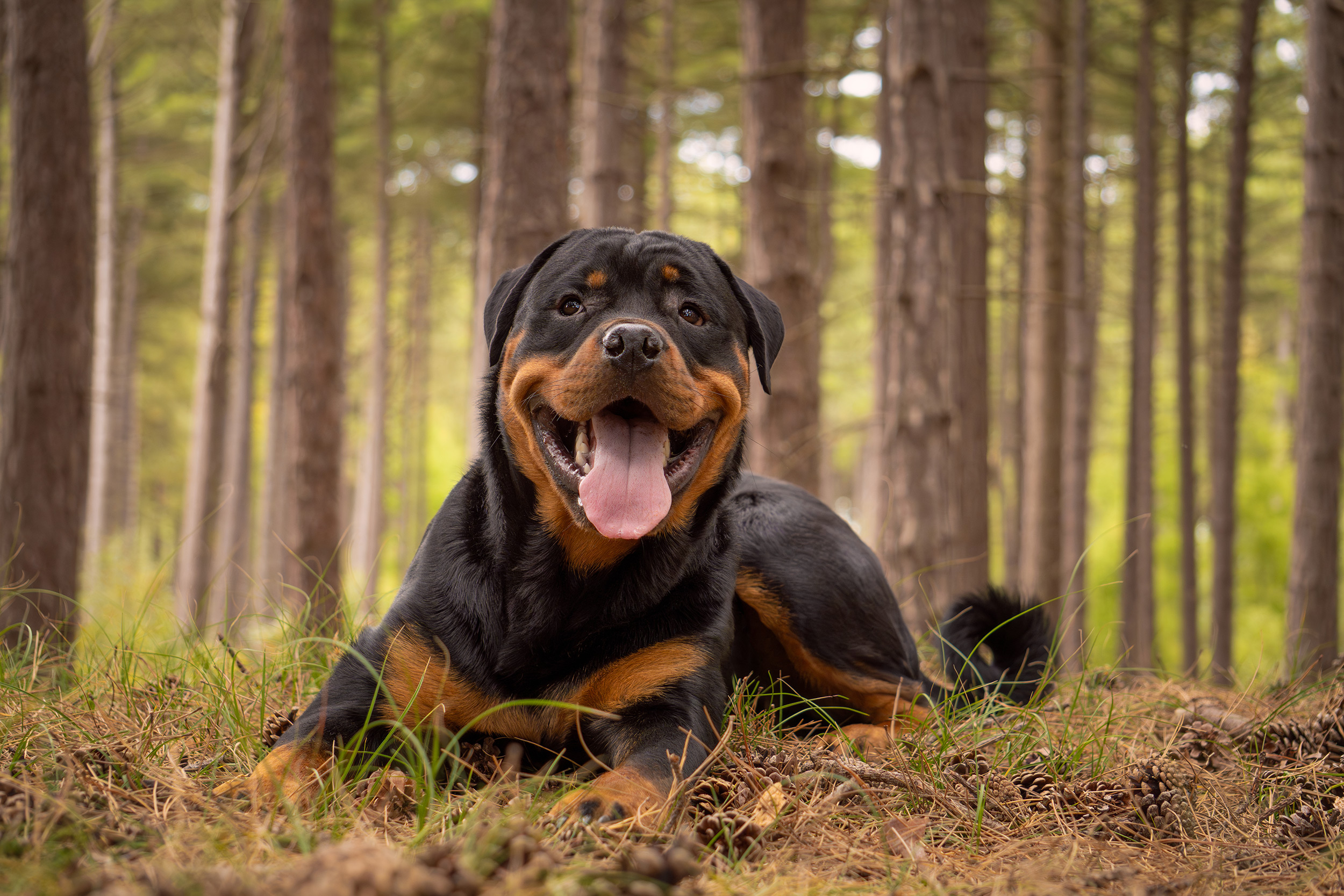 © Terry Donnelly | α6700 + E 55-210mm f/4.5-6.3 OSS | 1/250s @ f/4.5, ISO 1000
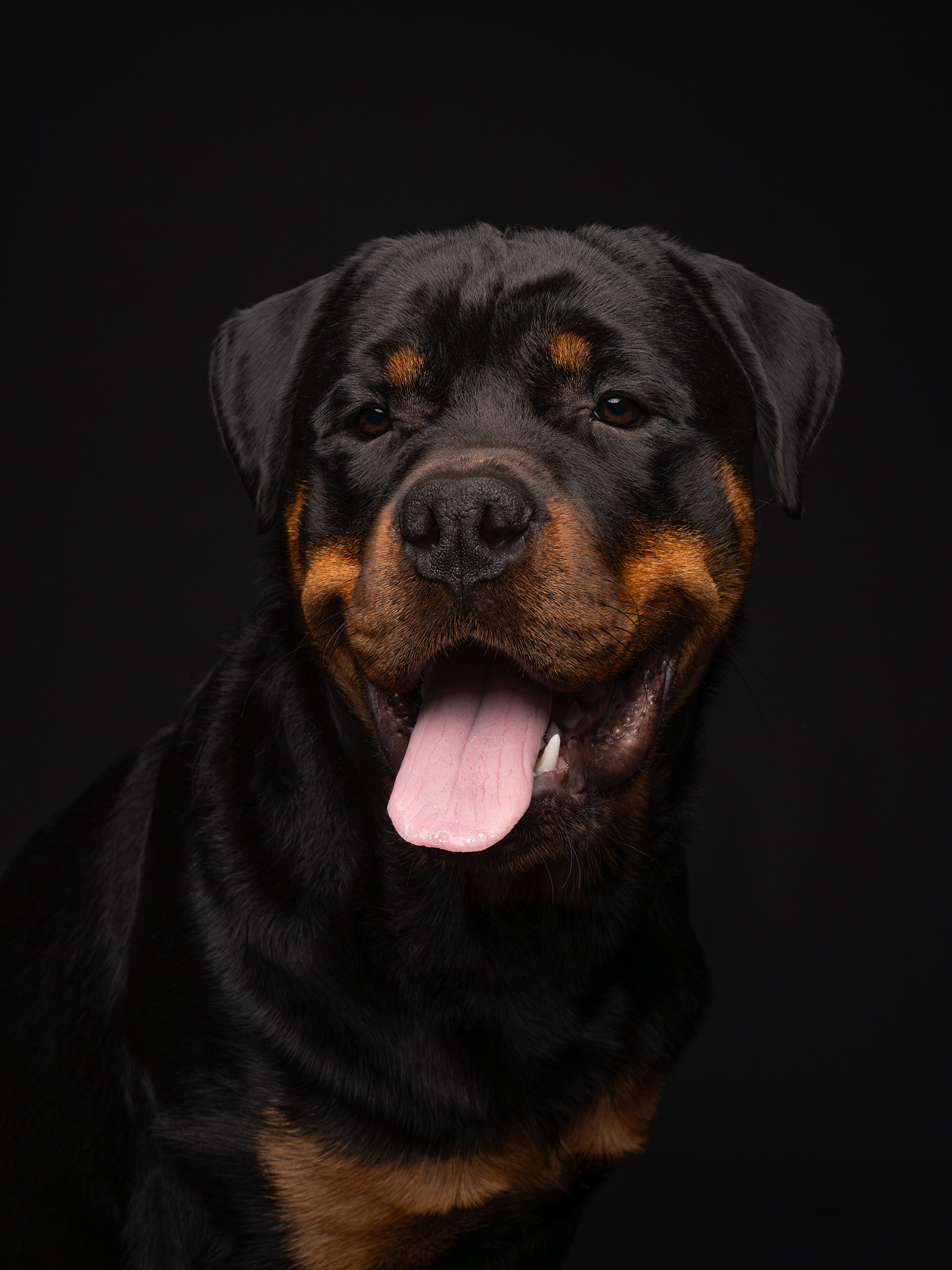 © Terry Donnelly | α7 IV + FE 50mm f/2.8 Macro | 1/500s @ f/13, ISO 800
We hope you’ve enjoyed these examples of portrait photography and given you some inspiration to take your photography to the next level. Don’t forget, we have a wide range of stories and articles on Alpha Universe covering all aspects of photography and filmmaking.
Featured products


Terry Donnelly | UK
"Although I shoot different genres of photography I find a cross over of skill set between them which makes my work stronger"
Related content