
A Cinematic Desert Documentary
Mikołaj Bakalarz
Cleopatra’s Final Secret is an epic story of desert exploration and underwater adventure. It was produced for National Geographic by Lion TV and can be found on Disney+ and Hulu in the USA (and streaming around the world later this year). It was filmed using a range of cameras including the Sony FX9, FX6 and FX3. In this feature, we’ll look behind the scenes with the DP Mikołaj Bakalarz.
Mikołaj has worked as a Director of Photography on a wide range of international productions for Netflix, National Geographic, Sky, Discovery, Channel 4, Channel 5, ITV and the BBC, as well as shooting music video and short films. Since 2025, he has been a mentee with the British Society of Cinematographers Mentorship Programme.
Directed by Alex Kiehl (Mark Cavendish: Never Enough for Netflix, The Peace Particle for ARTE & BBC), this film-style documentary follows one woman’s quest to find the lost tomb of one of the ancient world’s most enigmatic figures, Queen Cleopatra. For 15 months the filmmakers followed archaeologist Dr Kathleen Martinez and her team of researchers and explorers as they endeavoured to separate fact from fiction, truth from myth, in their search for clues to the location of the long-lost tomb.
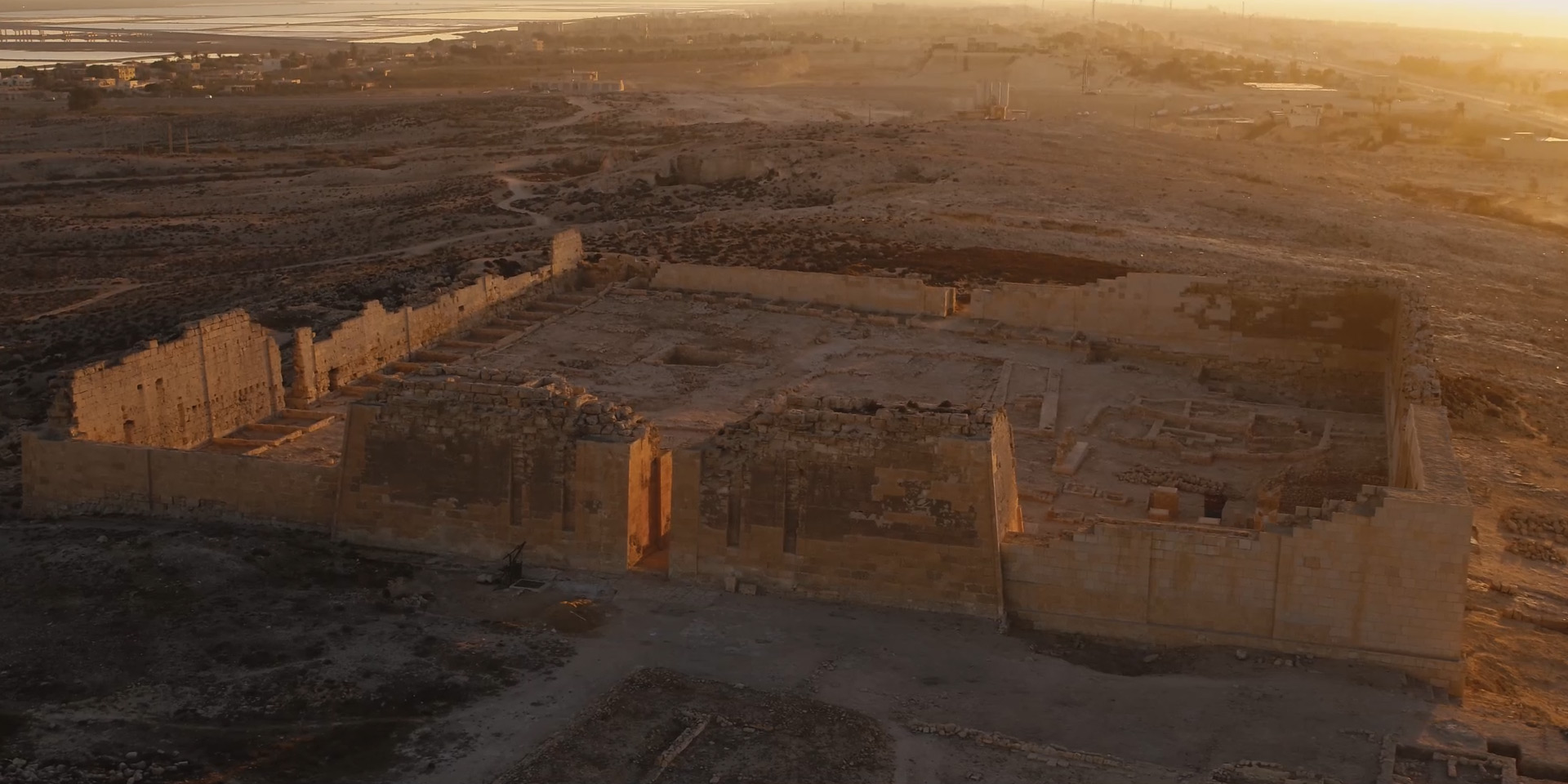
Pre-production started shortly after the release of the hit film Dune, set on the fictional desert planet of Arrakis. After seeing the stunning cinematography of Greig Fraser ASC, ACS, and given that much of the filming for the project was likely to take place in the deserts of Egypt, the documentary’s producers couldn’t help but be inspired by the idea of using similarly dramatic visuals to help tell this story.
Director of Photography Mikołaj recalls that he started his preparations for this project by rewatching Dune. He then forensically researched how it was shot. He also used online resources like ShotDeck to explore how many other epic desert films such as Lawrence of Arabia, Mad Max, Sicario and Raiders of the Lost Ark captured the beauty of the desert landscape and light, helping him develop what would become his artistic approach to the project.
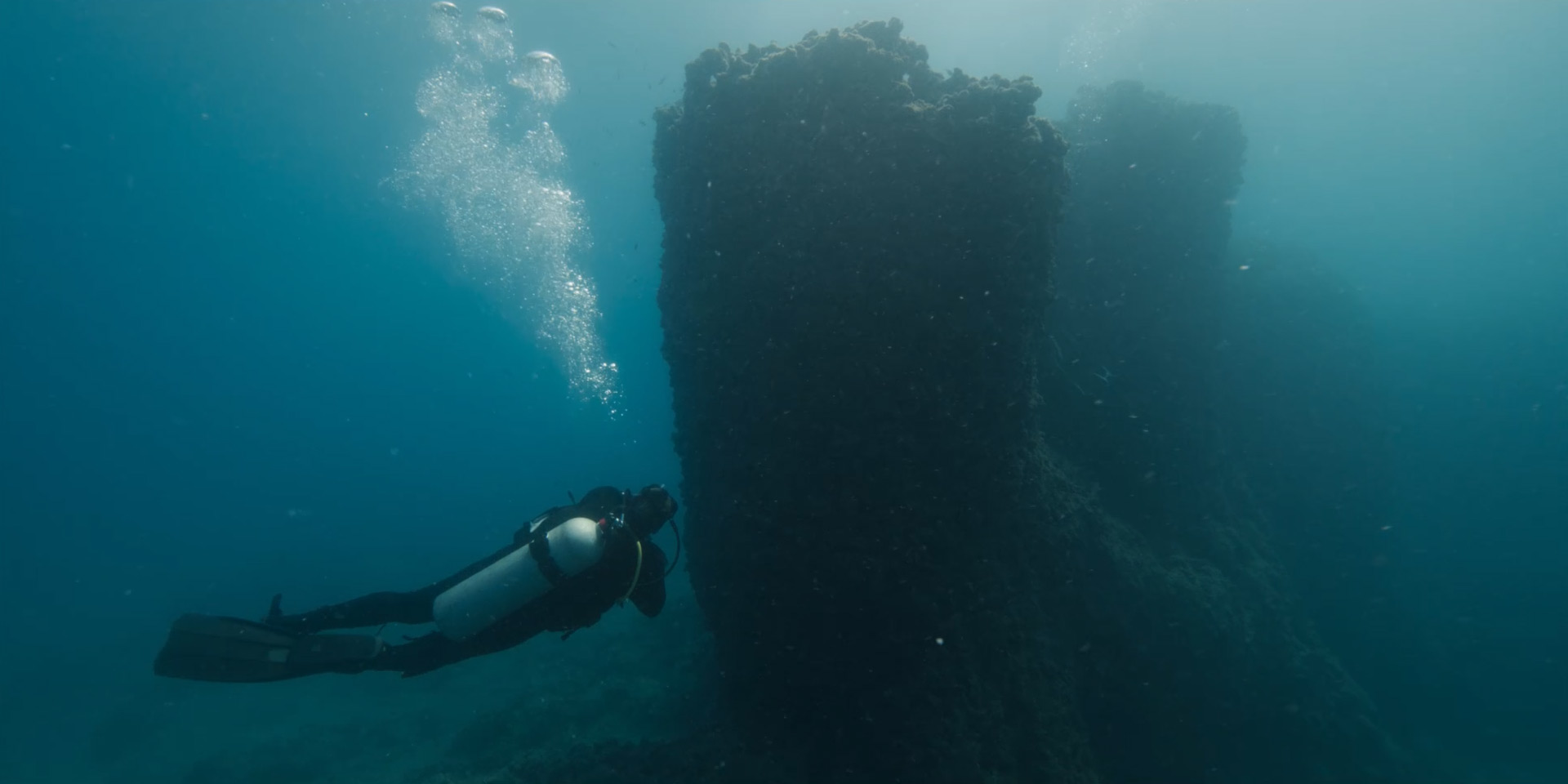
But this film was shot both on land and underwater. Tunnels leading to the sea had recently been found at a desert temple associated with Cleopatra. As a result, the expedition would be joined by the Titanic’s 1985 discoverer, renowned oceanographer, Dr Robert Ballard. With the assistance of the Egyptian Navy the search for Cleopatra’s tomb extended into the depths of the Mediterranean Sea.
Both Mikołaj and director Kiehl were determined to tell this story in a rich and as visually appealing way as possible. To do so, they chose to shoot the entire film solely using vintage prime lenses (only the underwater sequences used zoom lenses), which added character to the images and allowed for the possibility of isolating subjects with the shallower depth of field, alongside extra stops of light in darkness where necessary.
This approach gave us stunning, cinematic footage and played perfectly into our plan of giving the viewers the excitement of a first-person perspective of the expedition.”
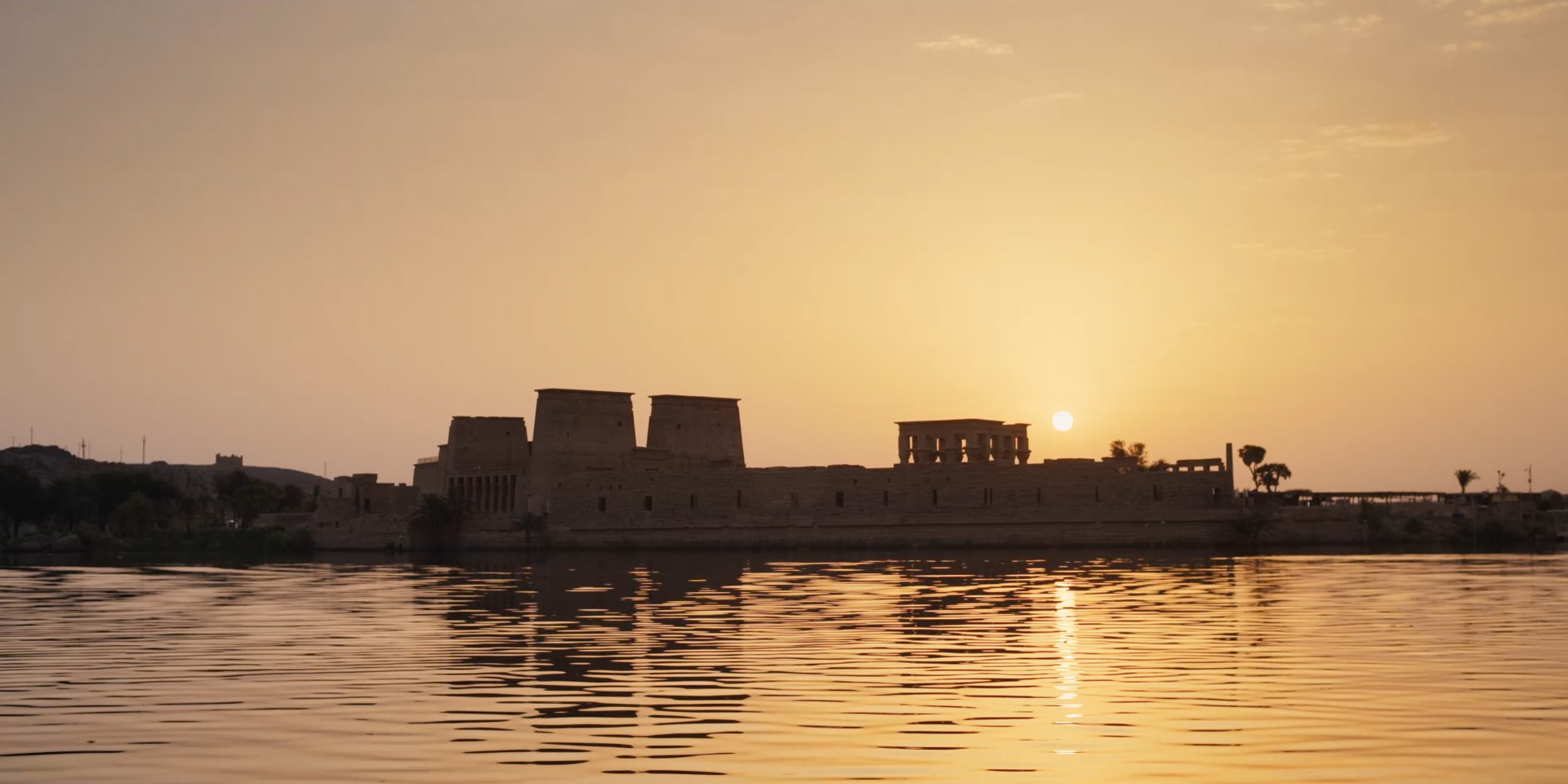
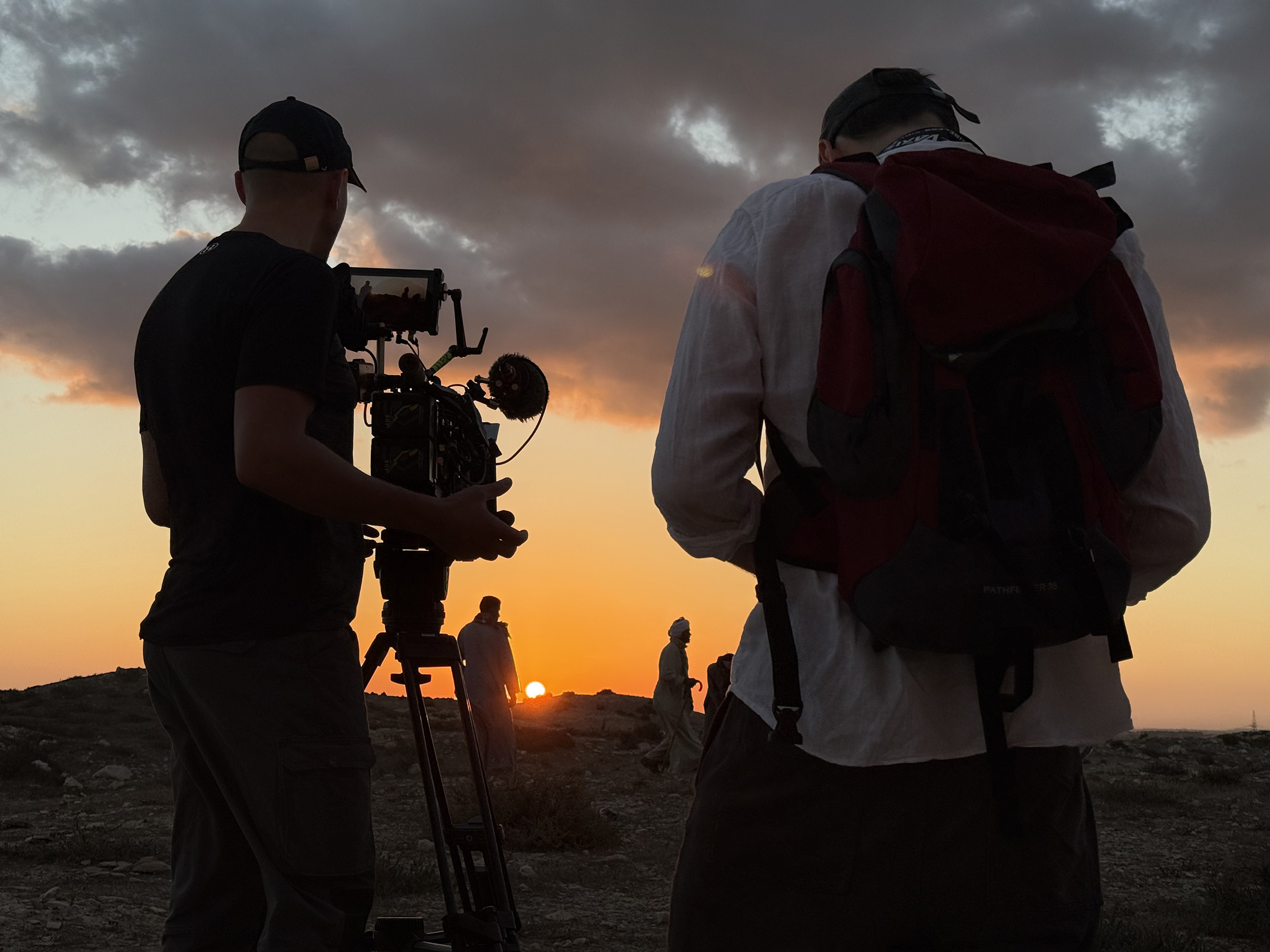
The main camera for the film was the Sony FX9, with the Sony FX6 and FX3 also seeing extensive use when more compact or lighter cameras were needed.
One brilliant feature on Sony cameras is Clear Image Zoom on FX6 and FX3 and the ability to switch between 3 scan modes on the FX9, because it gives me a bit of reframing range to primes between Full Frame and S35 sensor scans, if I really need to go that little bit tighter, whilst still preserving very high quality. When filming documentaries you often can't afford to stop and change a lens, and you won’t get a second chance to get the shot.”
When shooting in a desert where the sun is high in the sky, light reflects off the sand, filling in many of the shadows and this light was often very harsh. With this being an unscripted documentary, the crew needed to be highly mobile, so the use of large or sophisticated lighting setups wasn’t an option. As much as possible, sequences were shot with the archaeologists early in the morning, or late in the afternoon, with the action filmed backlit or side-lit. This golden-hour look highlighted the beauty of the natural landscape, amplifying the epic nature of the story.
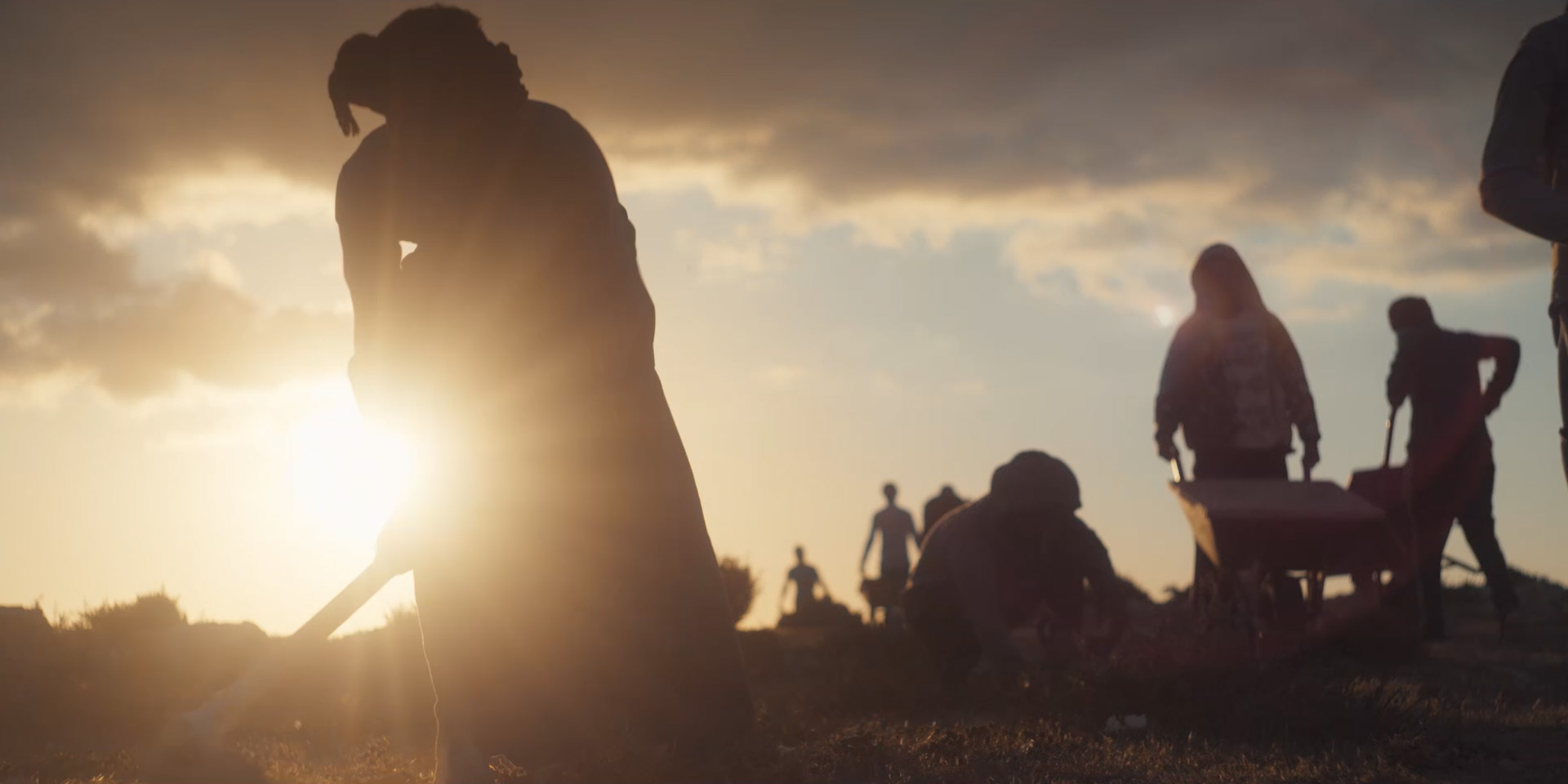
But the film wasn’t only shot on land…
A unique aspect of this production was the contrast between the water and land-based expeditions happening at the same time. In most archaeological films, the primary focus is on land, but here, we had to overcome the challenge of working in two completely different environments and keep consistency across the film.”
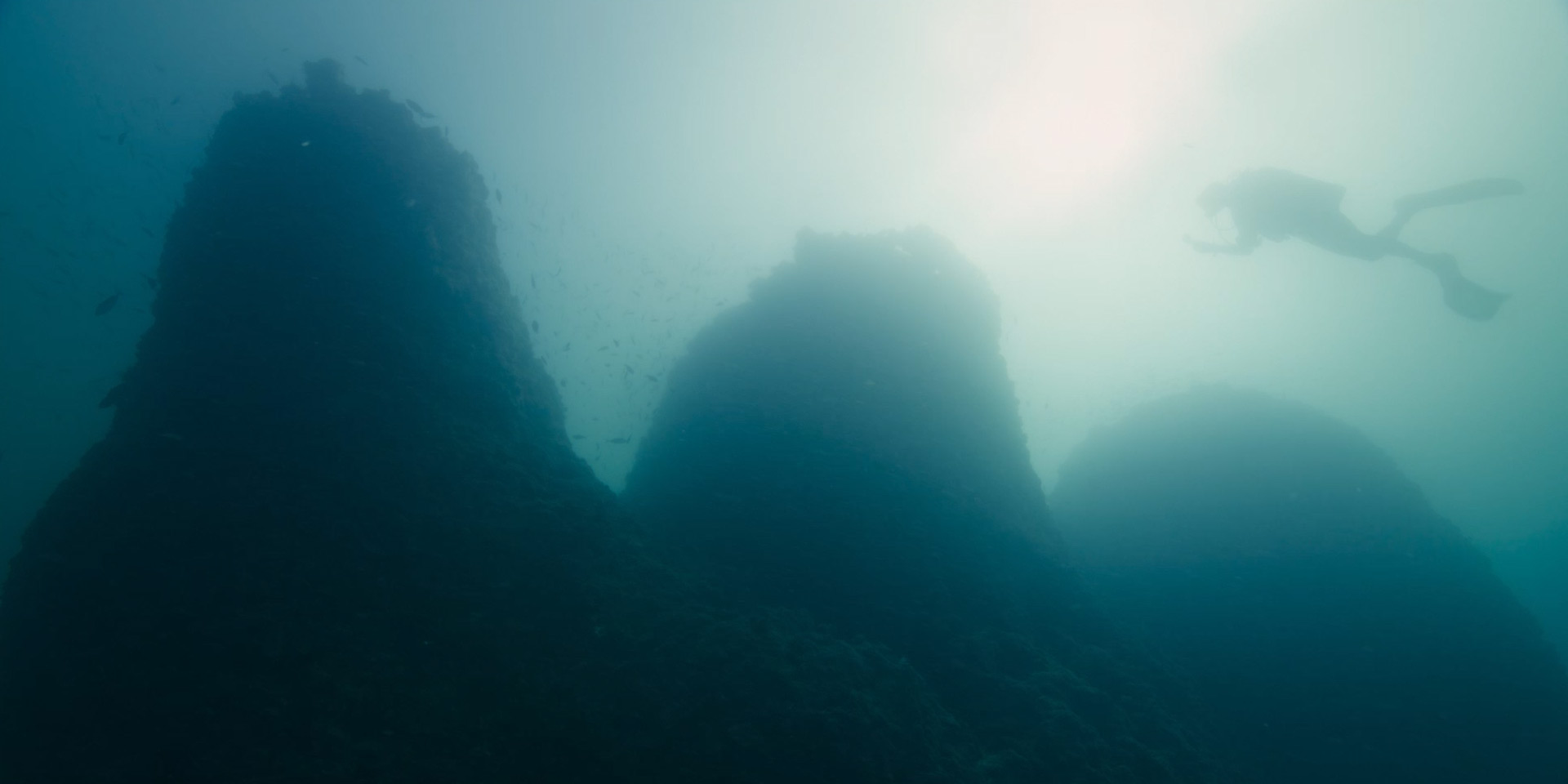
To maintain this consistency Mikołaj directed the underwater crew to shoot into the sun for a backlit look, and to find creative ways to capture and reveal what was happening and being discovered under the water.
We did not simply want to show what’s in front of us, but to make the viewers feel the mysterious and awe-inspiring events unfolding in front of their eyes, just like they were happening for the divers and the archaeologists in real time. I often shot entire sequences on a single focal length, actively moving from place to place, listening and covering the action, changing angles and positions and ensuring dynamic and exciting coverage. The goal was ultimately to make a film that felt epic, beautiful and exciting, whilst staying authentic and intimate.”
Back on dry land, as well as the FX9, the Sony FX6 and FX3 were often used when a smaller or lighter camera was needed. Sometimes these would be used with vintage lenses from Mikołaj’s own personal collection.
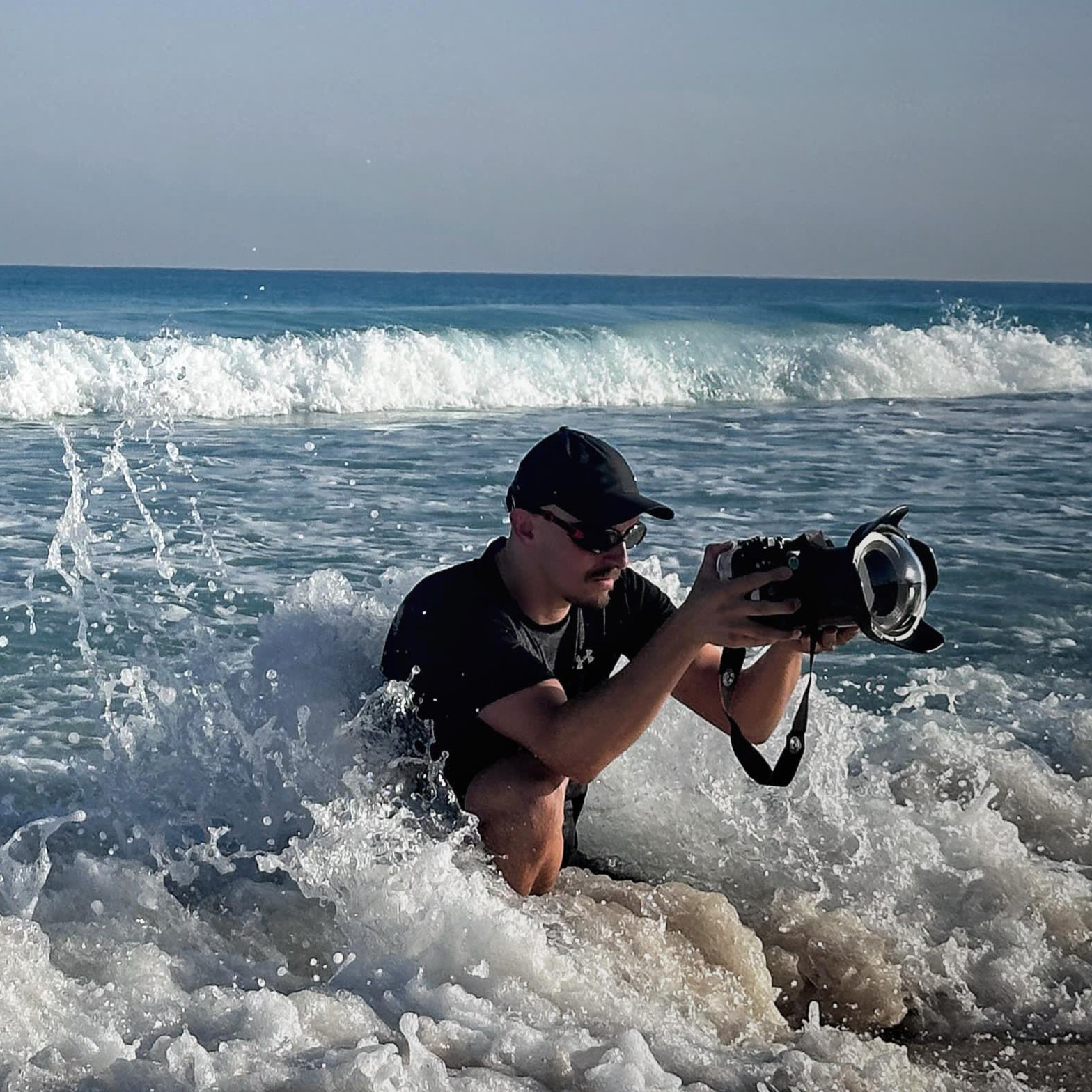
My FX3 proved to be a great little C-camera that allowed me to sometimes capture shots I wouldn't otherwise be able to get with the larger cameras – like hanging off the side of a boat, or in a housing, splashing in the sea. Thanks to its small size and very easy and intuitive controls, I was able to hand it to other members of the crew to get additional b-roll shots if they saw something beautiful, thus empowering other people to engage in the filming process. On top of that it acted as a very good stills camera.”
Recent finds of statues and coins relating to Queen Cleopatra, along with tunnels leading to the sea made the temple of Taposiris Magna near Alexandria play a particularly important part of the film. For Mikołaj it was vital to film archaeologist Kathleen Martinez exploring the temple and its dark tunnels in a filmic style, in a way that for the viewer feels like they were there, discovering the tunnels with her. Rather than fully illuminating the tunnels with large or bright lights, for a more cinematic look and a greater sense of mystery Mikołaj made use of the dual ISO function in the FX series cameras to provide enough sensitivity to be able to film using just the light from the explorers phone as she probed deeper into the dark and narrow passages.
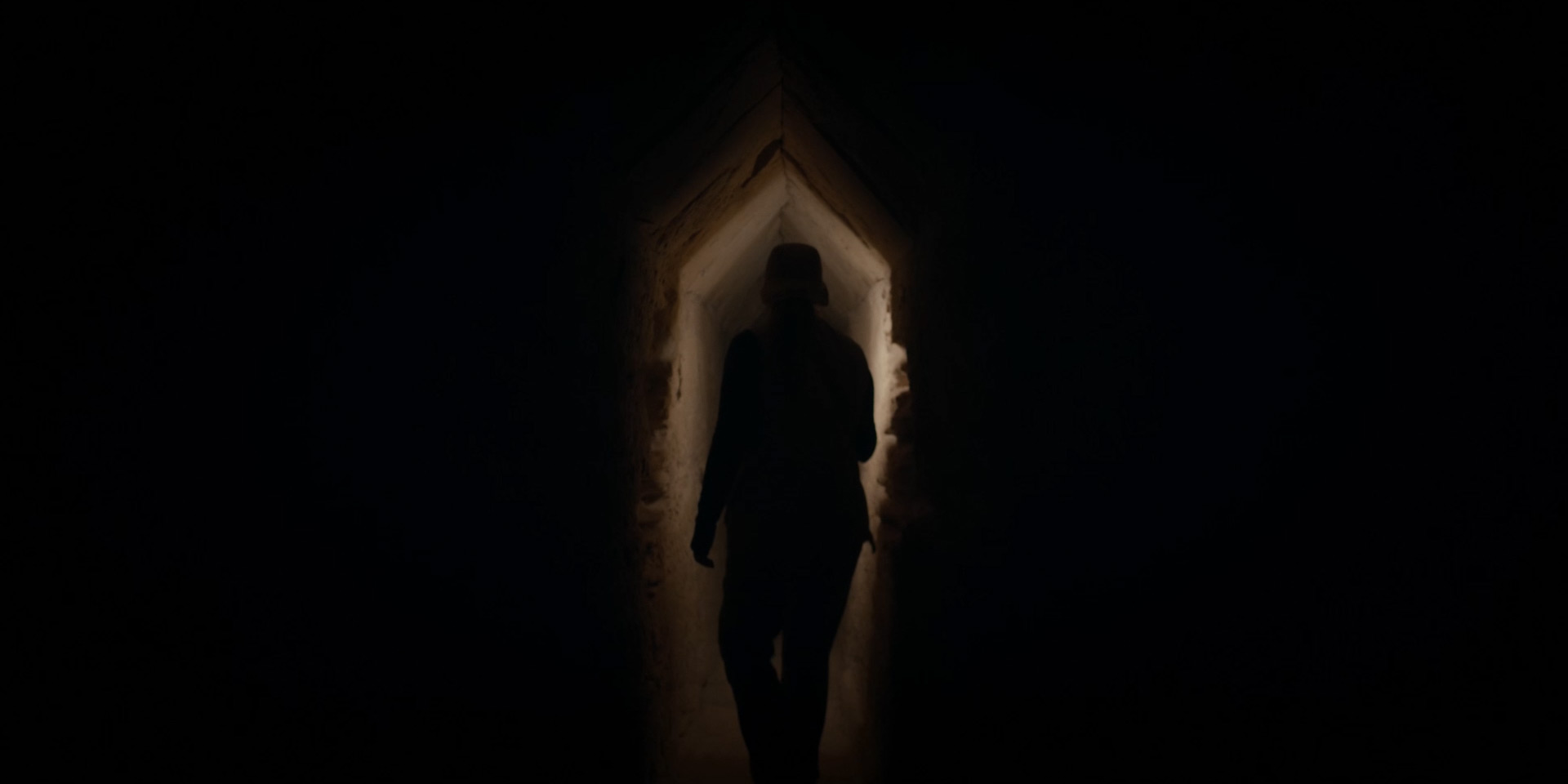
I think my work showcases the power of Sony's cameras in extreme environments - we filmed in nearly 51-degree Celsius heat in the Sahara and had no problems. We filmed underground, lit only by a phone, so it showcases how amazing the low light capabilities are, on top of the XAVC-I codec providing beautiful cinematic images across the film.“


