
A Healing Place
Andrea Frazzetta
In 2021, when the world was still reeling from its Covid lockdowns, documentary photographer Andrea Frazzetta started to notice something strange when taking his son to the park. “The first few times my kid was afraid,” he confides. “The environment was all alien and alarming. I realised that, in his life up to that time, he’d mostly lived in a box. And though my experience was obviously different, I felt a similar need to shake off the trauma and loss of the year we’d had.”
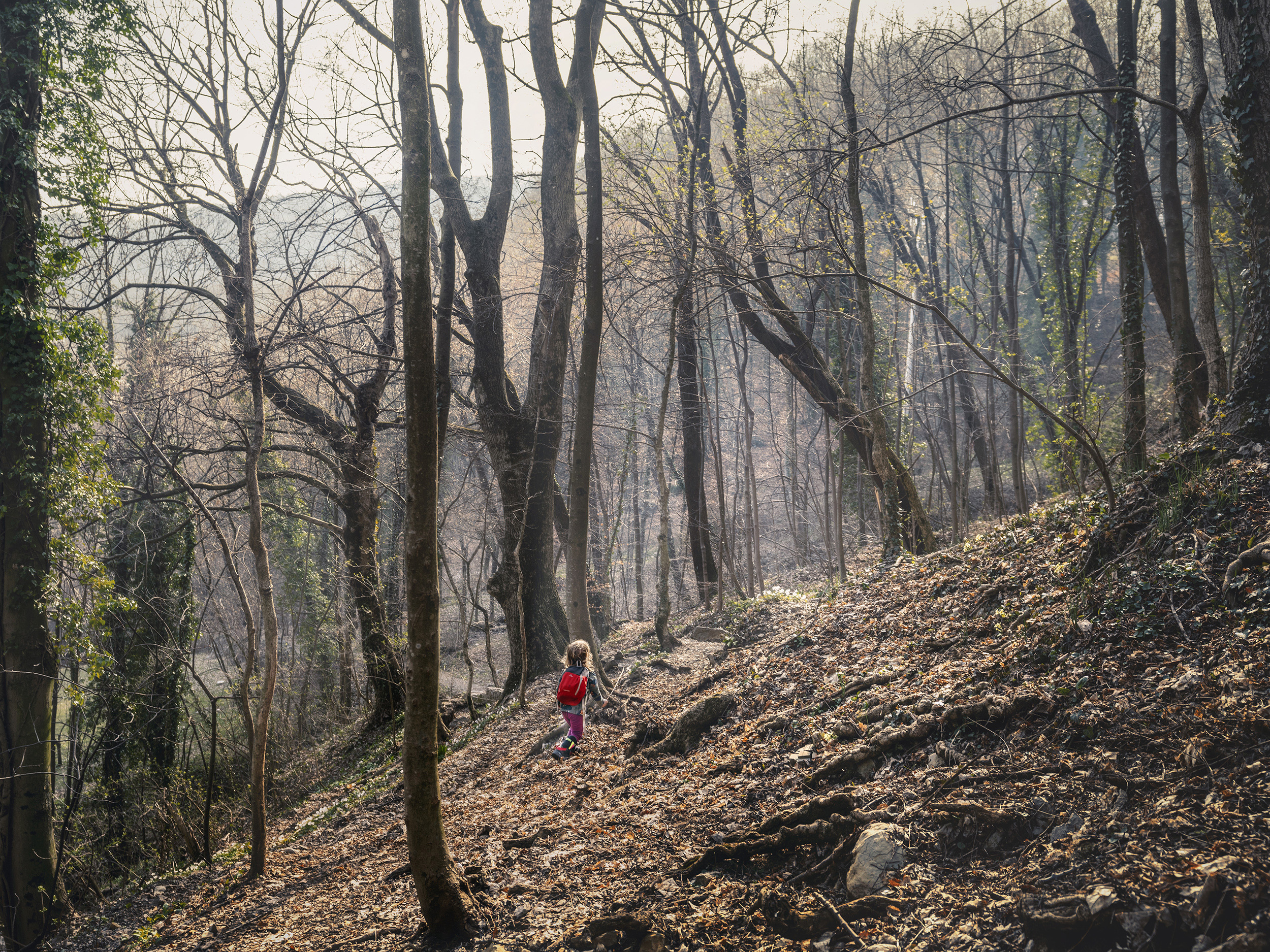 Caption: © Andrea Frazzetta | Sony α7R IV + FE 16-35mm f/2.8 GM | 1/200s @ f/4.5, ISO 200
As a parent, Andrea knew he had to do something. He needed to help his son to connect with nature, and hopefully to find some joy in the outdoors himself. Fortunately, the two would soon come together, along with the chance to use Andrea’s photography skills for something joyous. “All the schools were still closed, so we started thinking about a different path,” he explains. “We found this ‘natural education’ route – kindergartens which encourage kids to learn in the outdoors instead of classrooms. My son enrolled in one in the countryside outside Milan, and I was instantly amazed by it all. How the kids were in nature, their experiences, and the visual impact of it all.”
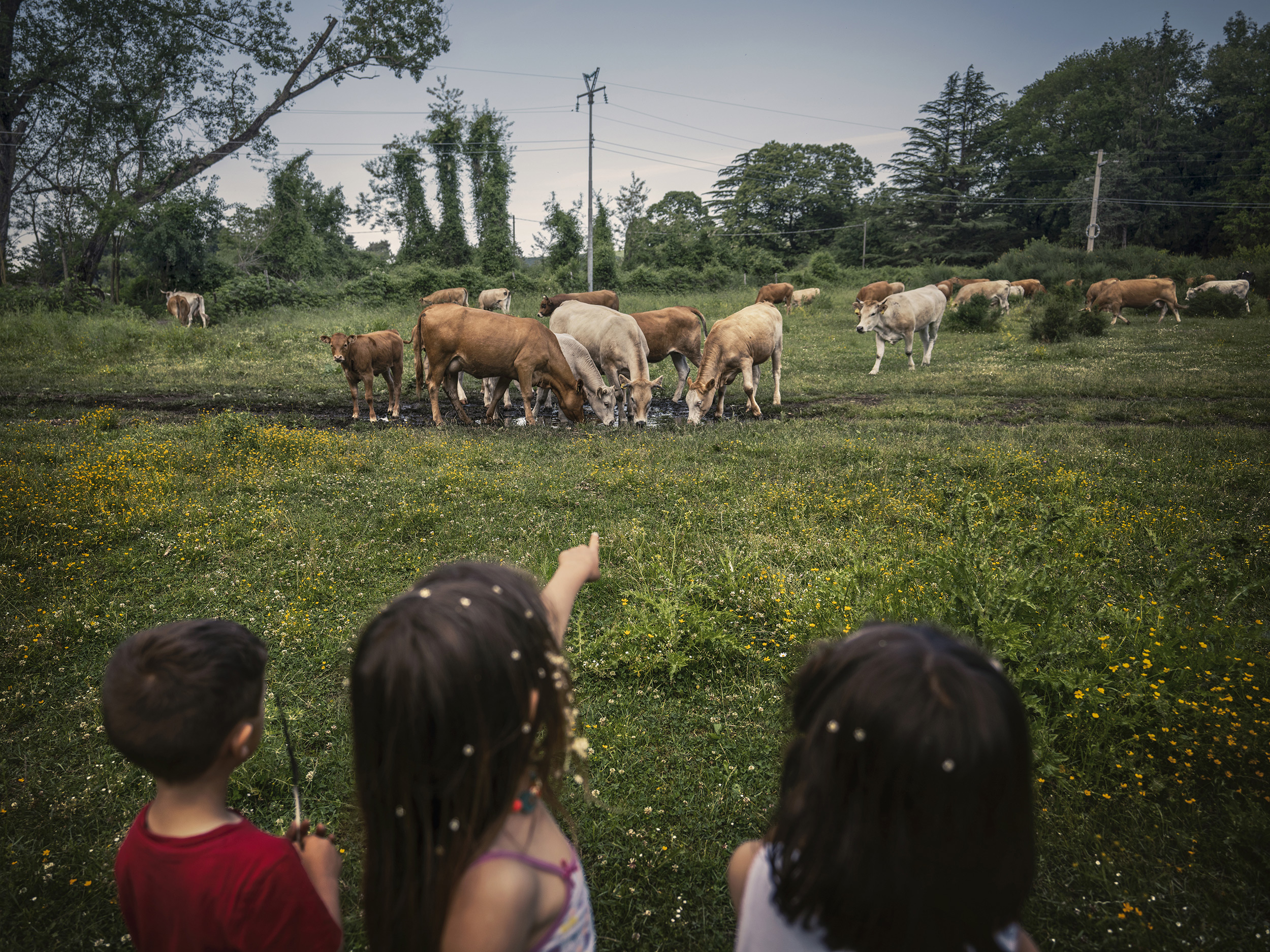 © Andrea Frazzetta | Sony α7R IV + FE 16-35mm f/2.8 GM | 1/800s @ f/2.8, ISO 100
So just a few months after the difficulty of photographing exhausted doctors and nurses in a Covid ward in Bergamo, Andrea was in a totally different place, physically and emotionally. And while this was a change of tack from his usual subjects, the desire to tell a story remained, as did the skills to do it.
“As a documentary photographer, these schools seemed like a great opportunity,” he explains, “and something that, if I could promote them through my pictures, a lot of children could benefit from. Even before Covid, we all spent too much time in these boxes, whether they’re houses, classrooms, or offices.”
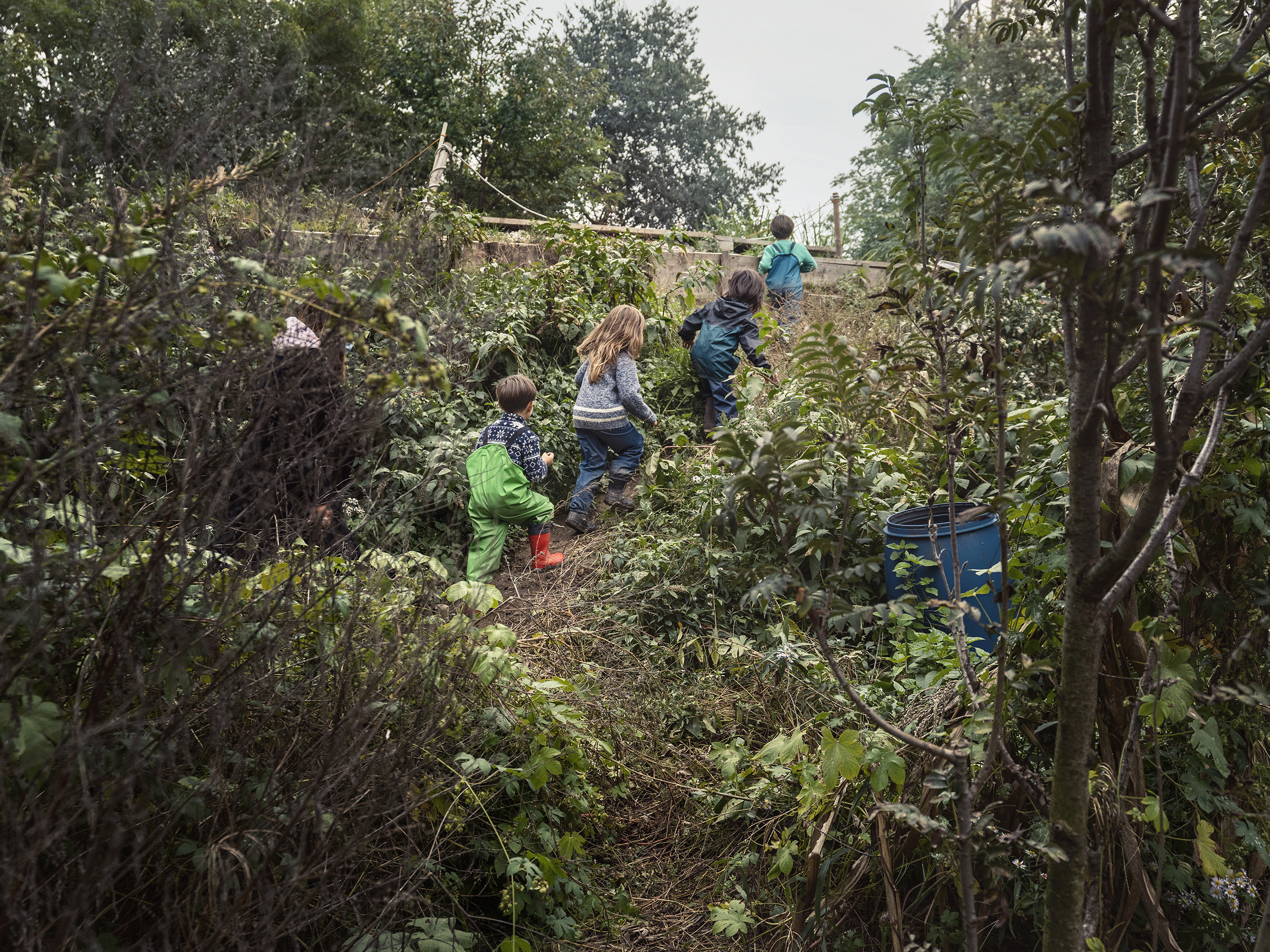 © Andrea Frazzetta | Sony α7 III + FE 16-35mm f/2.8 GM | 1/250s @ f/4.0, ISO 800
So, starting with his own son’s outdoor school in Milano, he spent the next three months photographing six different ‘natural kindergartens,’ working for between a week and 10 days in each. “There were places all over Italy,” he explains, “some in the countryside outside towns, others in the mountains or by the coast. And it was amazing to see them.”
Telling the story of these places well, says Andrea, came down to a mix of fieldcraft, the technical features of his Alpha cameras, and most importantly, time. “Usually, when I work for magazines or newspapers, the assignment is short,” he explains, “but for this project I received a National Geographic Society grant, as they were assisting photographers to work in their own communities. The extra time allowed helped me to immerse in each location and even changed the style of the images I made.”
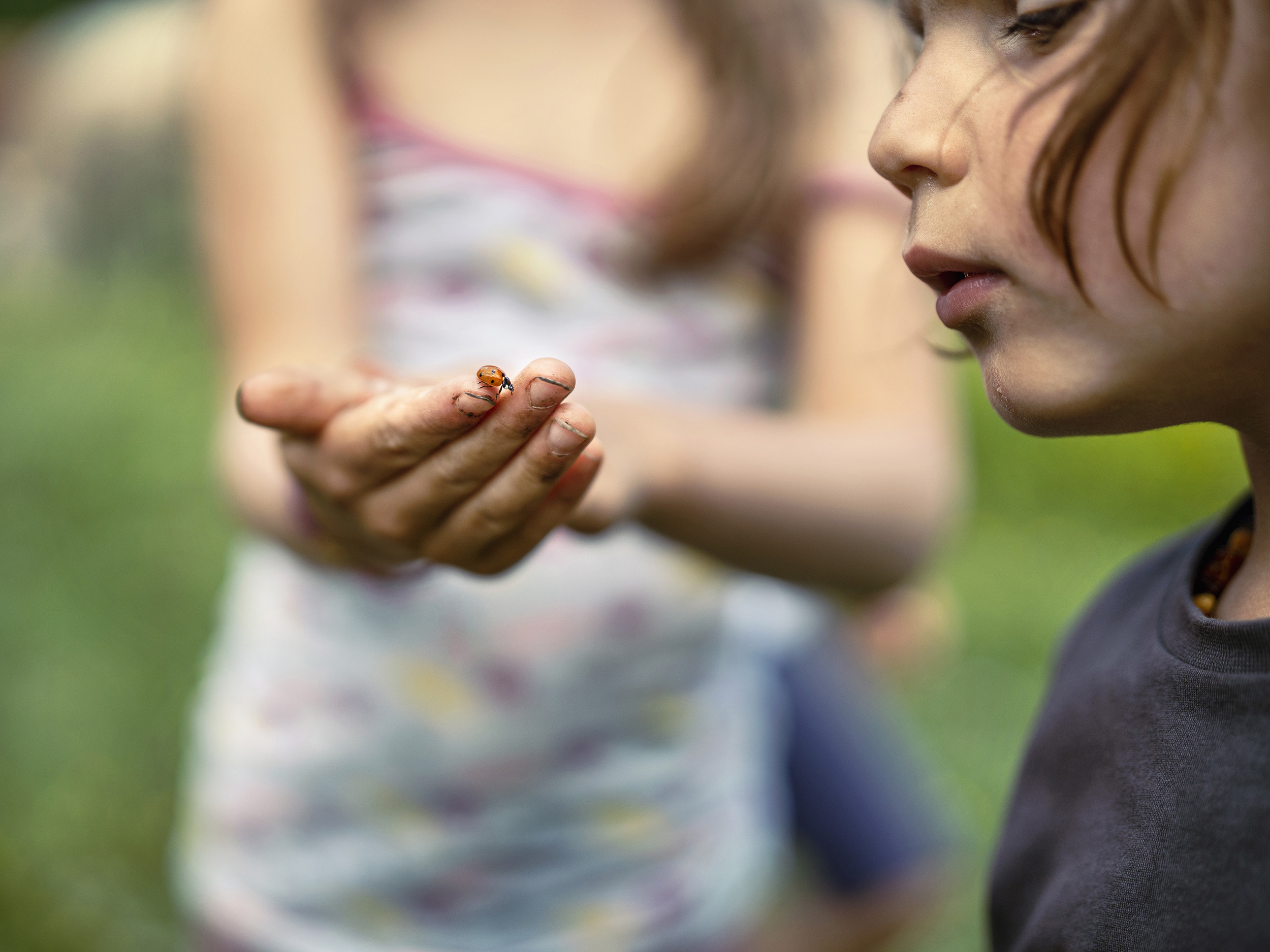 © Andrea Frazzetta | Sony α7R III + FE 50mm f/1.4 ZA | 1/3200s @ f/1.4, ISO 200
Andrea’s Sony Alpha 7R III and 7R IV cameras helped in different ways. “Just like in my regular work, I used two bodies so I didn’t have to change lenses,” he says, “so it really helps that these bodies are small and light. I also took most of the shots by composing using the screen and flipping it out so I could shoot at waist level or lower. This helped get me down to the kids’ eyeline, and it also looks less like I’m taking a photo. When you bring a camera up to your eye people – including kids – will react in a different way.”
The Alpha 7R cameras’ ability to shoot silently was also vital, says Andrea, as was their speed in focusing. “The silent shutter is transformative for documentary work,” he explains, “because it’s another way to work with complete freedom and greater truth. As for the camera’s autofocus, it’s exceptional. Yes, I had more time than usual, but that does not mean I can miss fleeting moments. Even using fast lenses like the FE 50mm f/1.4 ZA, the perfect focus was always found in a split second.”
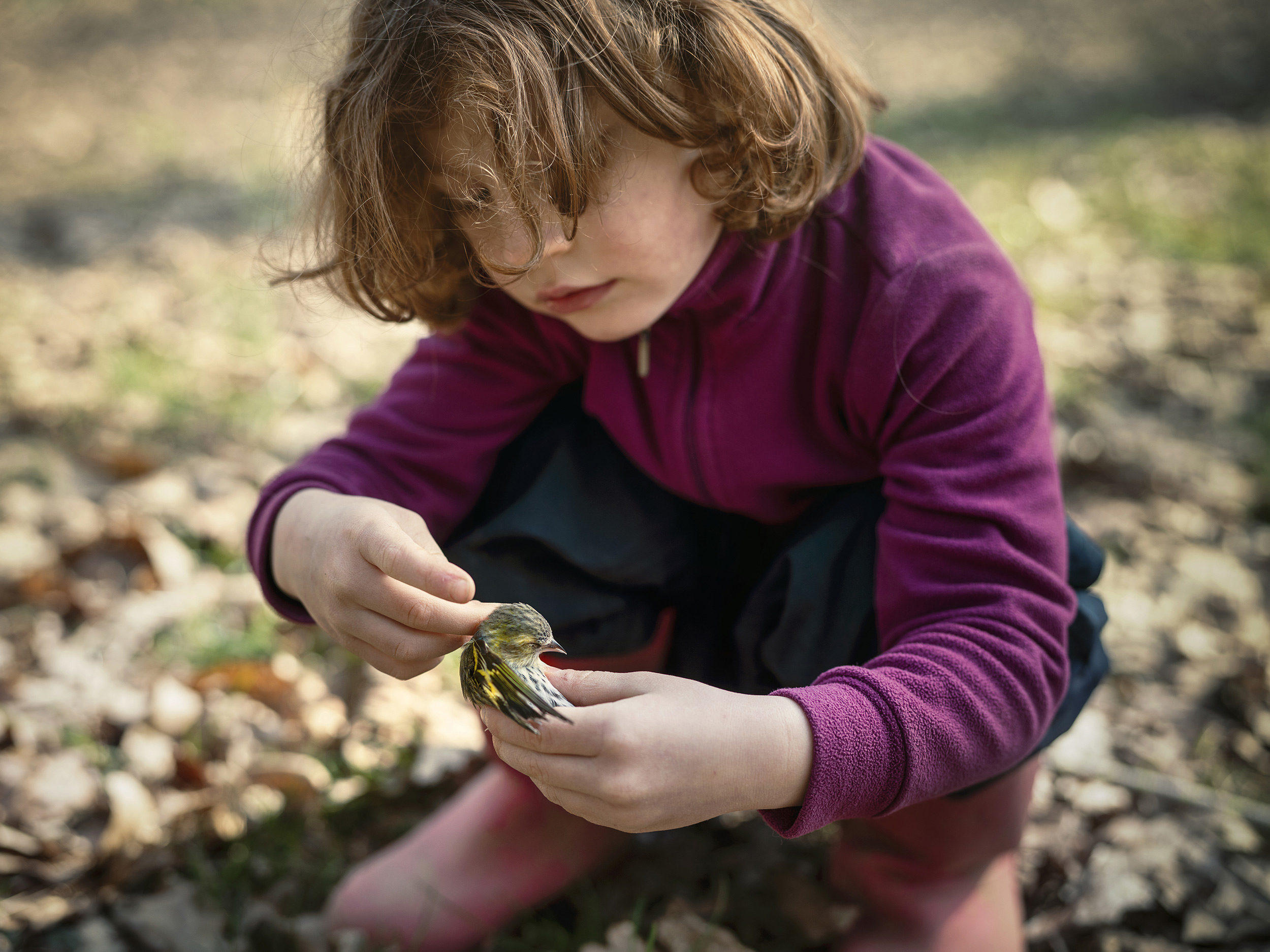 © Andrea Frazzetta | Sony α7R III + FE 50mm f/1.4 ZA | 1/640s @ f/2.0, ISO 125
“The funny thing is that, after spending these weeks observing kids in nature, they seem much more focused that in a classroom,” Andrea concludes. “It seems counter intuitive, but they’re calmer. Therefore, we really have to think about the way we educate. There is clearly a better way.”
 © Andrea Frazzetta | Sony α7R IV + FE 16-35mm f/2.8 GM | 1/640s @ f/5.0, ISO 100
And he noticed changes in himself, too. “Because the frequency of shooting was turned right down, and I was more contemplative, I think it shows in the images, too. They’re different from the shots I normally make, much more soothing and delicate, which I think reflects the natural environment.”
“During Covid, I think a lot of us thought about making changes to our lives,” he finishes, “but how many of us have managed to do it? Embracing nature through this project was a big chance for me. It made me feel lucky. Lucky to be alive, lucky to witness these kids embracing the natural world, and lucky to be a photographer again.”


