
Better Together
Magnus Lundgren and Staffan Widstrand
Deep in the unspoilt Finnish wilderness, something amazing happens on a daily basis. From woodland hides, visitors come face to face with Eurasian wolves and brown bears. At this distance, almost close enough to touch, a sense of wonder is inevitable.
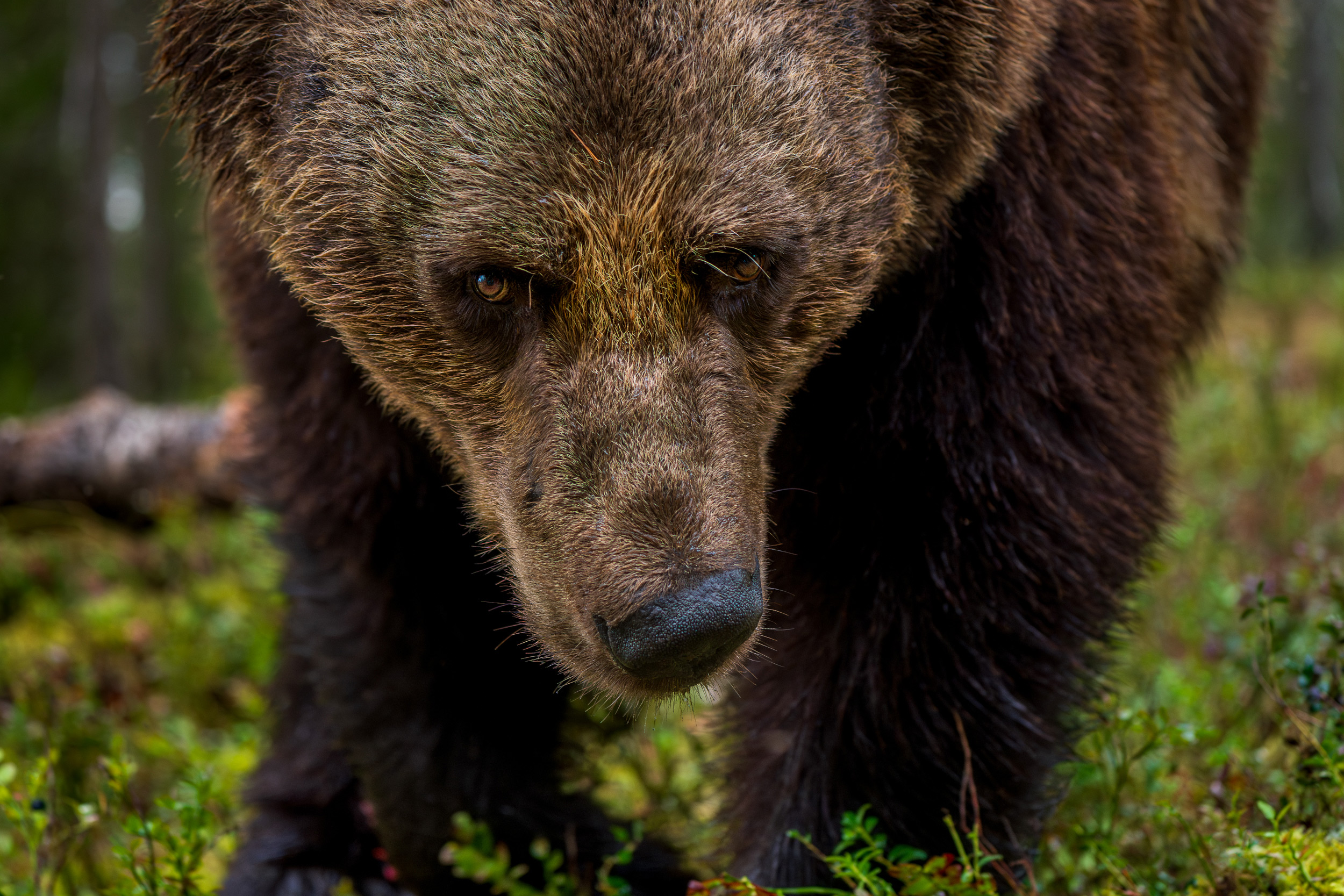 © Magnus Lundgren | Sony α1 + FE 100-400mm f/4.5-5.6 GM OSS | 1/400s @ f/5.0, ISO 1600
Wildlife photographer and conservationist Magnus Lundgren knows the feeling well. “Being there with the bears and wolves is incredible,” he recalls, “especially as the place feels so much like home. These predators are so close, it produces a deep connection to nature, one that many people have lost or forgotten. It’s a reminder of your heritage as a European. These are our lions, our leopards, and we need to respect and celebrate them.”
Sharing the experience and many other similar adventures is Magnus’s long-time collaborator, Staffan Widstrand, also a nature photography specialist with over 35 years’ experience. Together they have a mission to change opinions and ultimately preserve Europe’s carnivores.
“It’s not something people think about much,” adds Staffan, “but along with the common cultural heritage that washes over us every day, like architecture, music and language, there’s natural heritage, too. It’s how the birds sound in spring, the smell of the forest or the turning of the leaves. Imagine what you feel when you see a squirrel, rabbit, or deer. The experience of being around predators is another level of that.”
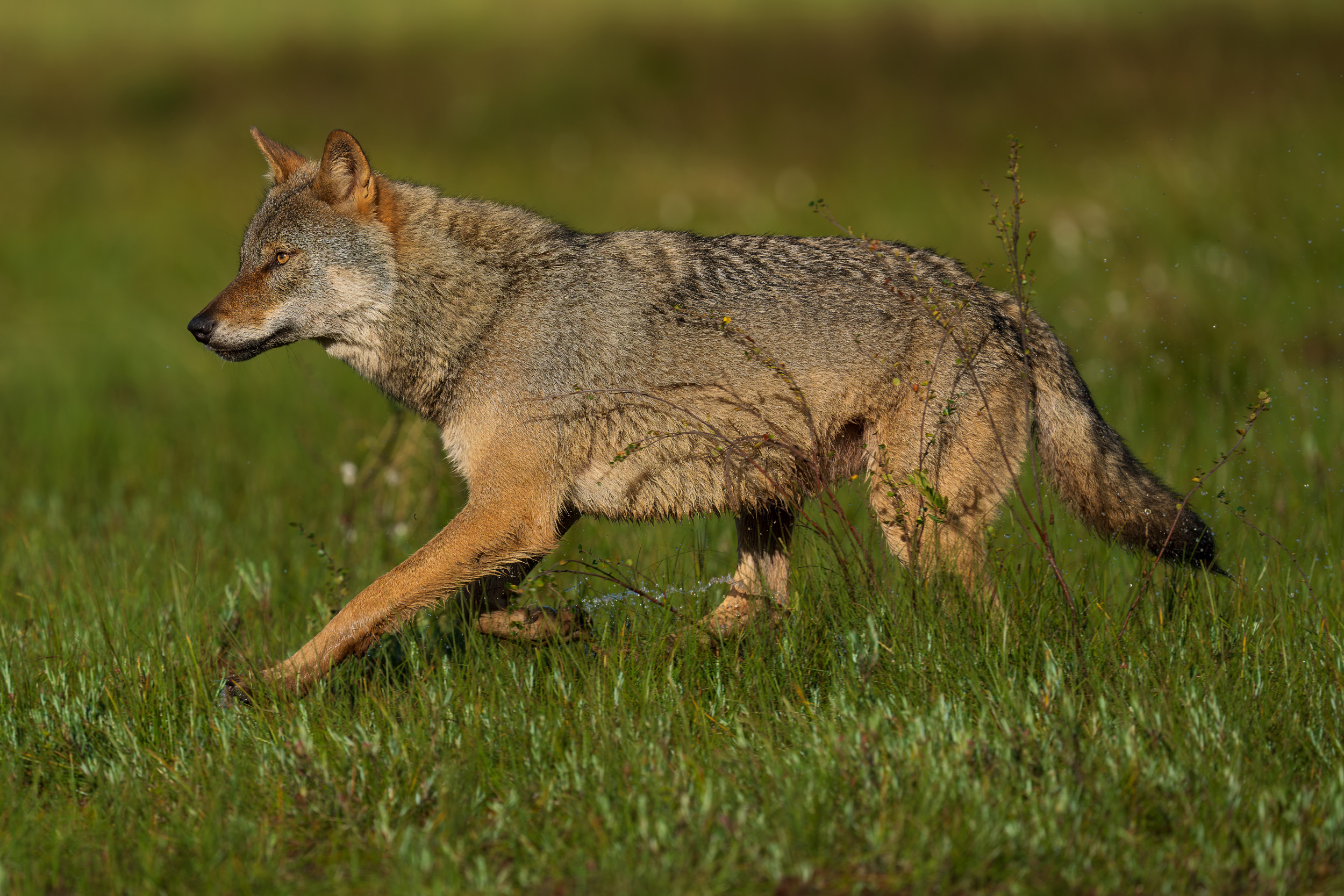 © Magnus Lundgren | Sony α1 + FE 600mm f/4 GM OSS | 1/1600s @ f/5.0, ISO 125
Having worked on several projects together, including ‘Wild Wonders of Europe’ and ‘Wild Wonders of China,’ the pair are now beginning a new endeavour, ‘Living Side by Side.’ Those previous works sought to give people a clearer understanding of their natural heritage. The new project goes a step further and shares success stories of communities living side by side with predators.
“The ‘Wild Wonders’ projects were about education and connection,” Staffan continues, “and it was during them that we noticed our common passion and commitment. We hired many other photographers to make the projects happen, drawing on the emotional power of photography to make change. The right kind of images can make people realise there are amazing animals to be found in their own countries. And once you have that emotional connection with wildlife, you’re more likely to respect or preserve it.”
Now, Living Side by Side is designed to influence EU decision makers to keep or enhance the ‘strictly protected’ status of Europe’s large carnivores and promote a more wildlife-friendly agenda. “The emphasis is on finding common ground and co-existence,” Magnus explains, “and the project will present success stories to support Europe’s leading wildlife organisations in their efforts to protect our large carnivores.”
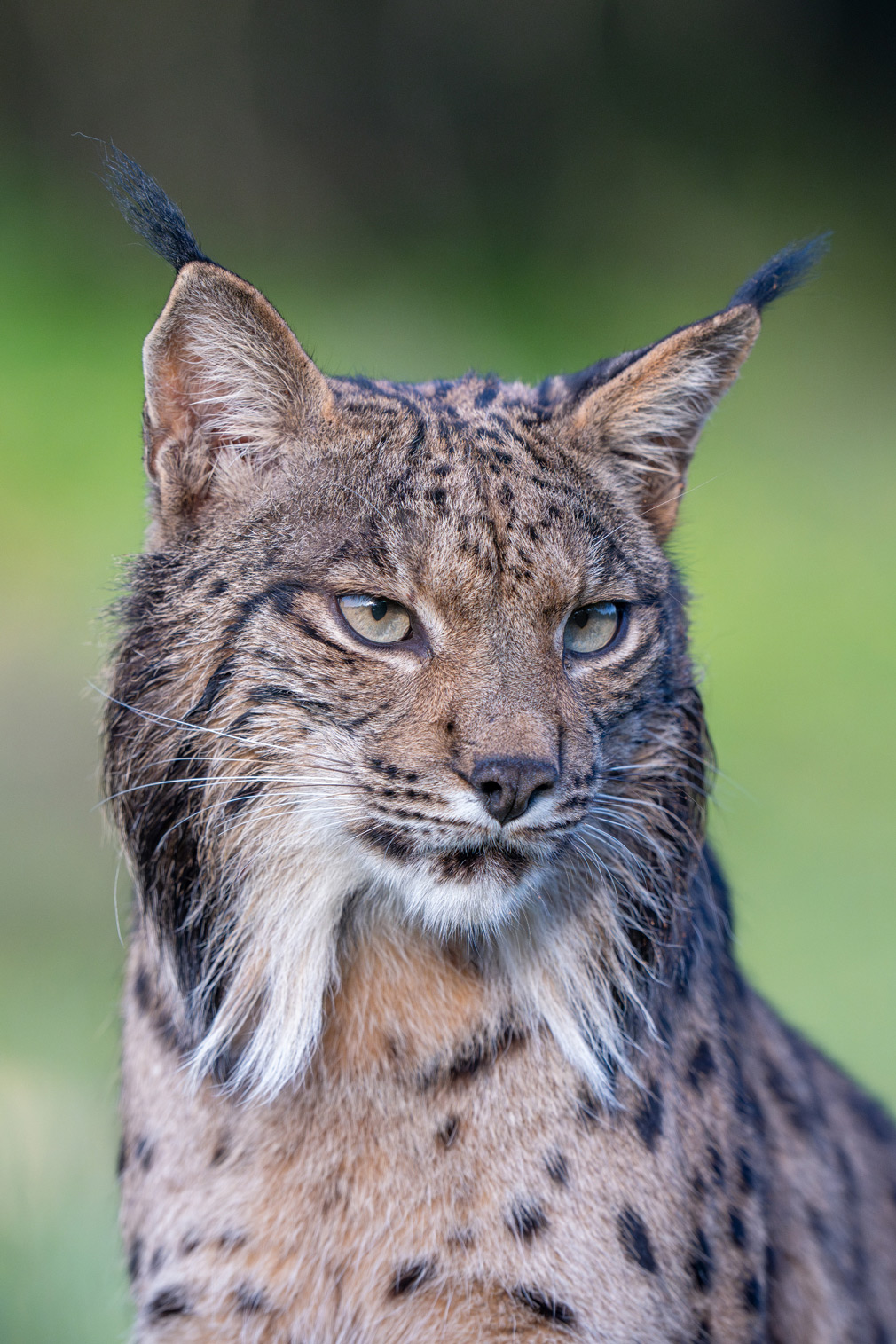 © Staffan Widstrand | Sony α1 + FE 400mm f/2.8 GM OSS | 1/500s @ f/5.0, ISO 3200
The fact is that despite years of successful reintroduction and conservation, the outlook for Europe’s large carnivores is worsening. There have already been downgrades of protection for wolves, while bears and lynx could be next. But Staffan and Magnus believe a positive picture of co-existence can win hearts and minds and reverse the trend.
“We find that a lot of coverage is about problems, instead of solutions and opportunities,” Staffan says. “We want to show other narratives. Why are these predators good for us? How do they manage and improve the eco-system? What measures are successful in living alongside them?”
“It’s really about education,” Magnus continues. “We need to share the ways in which co-existence works best. In Sweden, as a population, we’ve forgotten what it’s like to have wolves around. Once we shot them all and they’re only returning now, so people don’t know yet how to live with them, how to minimise conflicts by using the right kind of guard dogs, fencing technology, government grants, adapting shepherding techniques...”
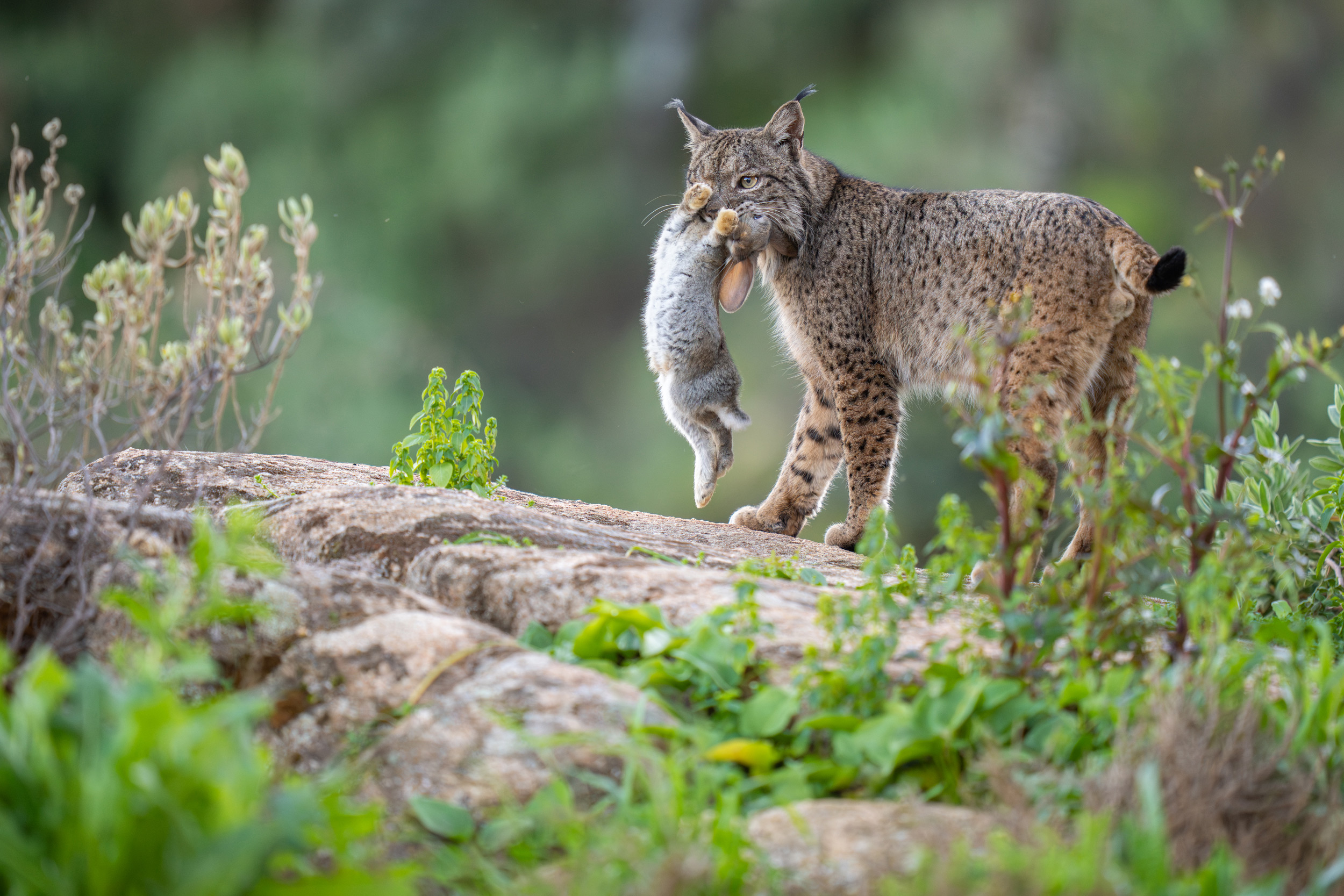 © Staffan Widstrand | Sony α1 + FE 400mm f/2.8 GM OSS | 1/1000s @ f/2.8, ISO 3200
One of those benefits is wildlife watching. “Another wonderful part of visiting the bears and wolves in Finland was coming face to face with effective wildlife tourism in Europe,” says Magnus. “You can immediately see the benefit of having those carnivores there, because of the income and employment it brings. People come from all over Europe to visit.”
“In so many places all over the world, we are seeing the same development,” Staffan continues. “Whether it’s lions, elephants, gorillas, or here in Europe, bears, lynx and wolves, iconic wildlife alive is becoming valuable to local economies. The countryside is depopulating and one of the reasons is a lack of opportunity. But wildlife can help provide those jobs – the guides, the drivers, wardens – if you understand the value of it.”
The project includes documentary work, filmmaking and writing, as well as pure wildlife photography, “so I guess you could say it’s classic reportage work in a natural setting,” Staffan explains. “We need the emotional images and the beauty shots of the animals, but also the stories to back them up to tell the real story of co-existence.”
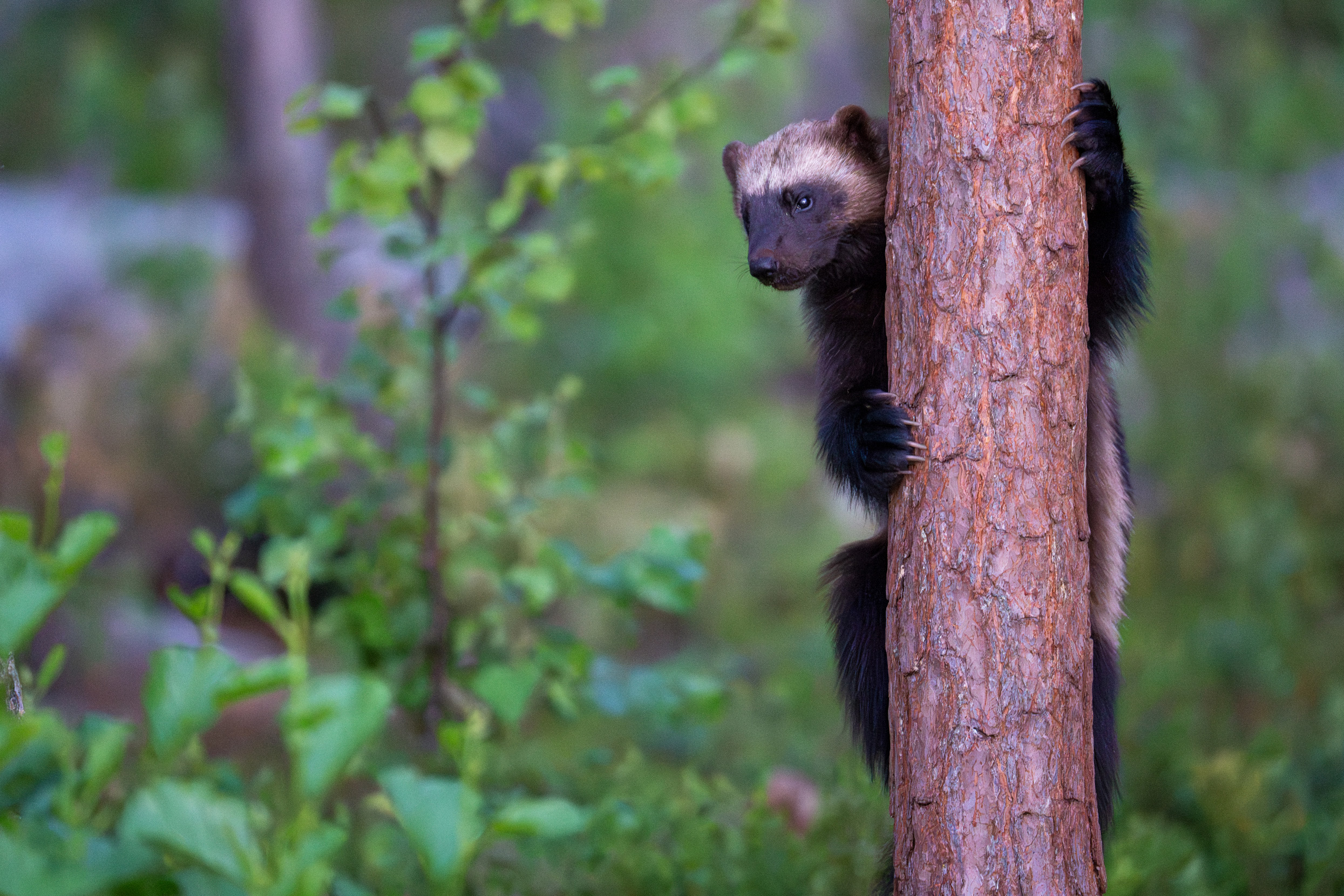 © Staffan Widstrand | Sony α1 + FE 600mm f/4 GM OSS | 1/125s @ f/4.0, ISO 25600
“And the human side is almost more important,” Magnus adds, “because that’s where the solutions are. The tour operators and conservationists, the infrastructure they’re building and the way people are enjoying these encounters all lead to the goal.”
Of course, co-operation between themselves is also important. “For me, one plus one is five!” Staffan laughs, “it adds to the flavour of the images, but working together also means it’s easier to do interviews, filming one another, write proposals, manage social media... When we’re shooting it’s mostly separate, but in the high northern summertime, when there is no real night, it’s also helpful to have a wingman. One keeps a look out, while the other sleeps!”
Shooting with Sony Alpha gear, the pair have noticed numerous advantages. “As a multi-media project, being able to effortlessly switch between stills and video on the same camera and lenses is a huge benefit,” says Magnus. “And of course the subject and eye-tracking autofocus, as well as the speed of shooting, means success rates are much higher whether the subject is a wolf in the forest or a farmer putting up a fence.”
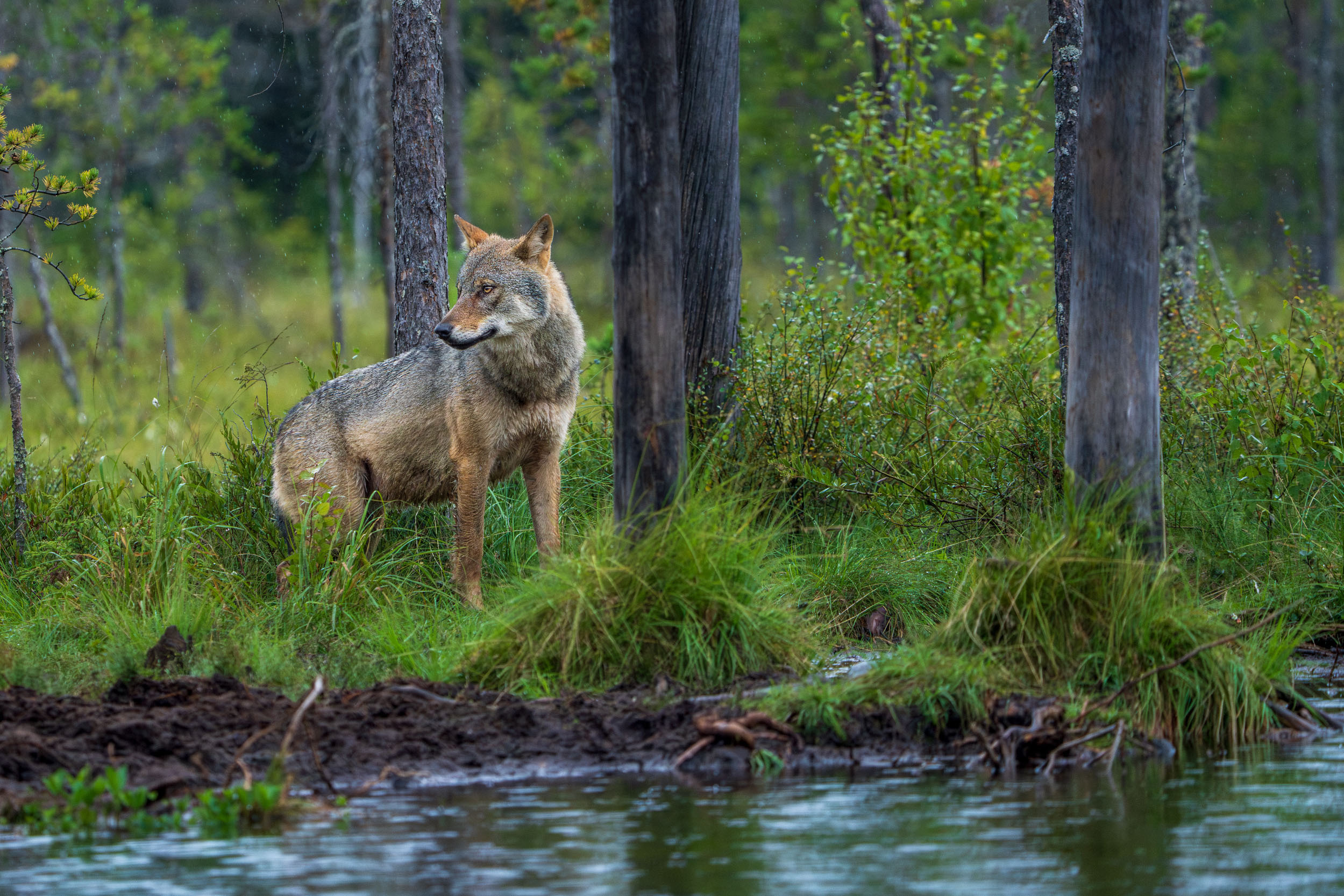 © Magnus Lundgren | Sony α1 + FE 200-600mm f/5.6-6.3 G OSS | 1/1000s @ f/6.3, ISO 2000
“One of the biggest advantages for me has been the silent modes of cameras like the Sony Alpha 1,” Staffan reports. “I don’t know how many animals and birds I’ve scared off with a shutter noise over the years… or how many opportunities were limited. I once shot a snow leopard in China and after one frame it heard me and was gone! With the Alpha 1 II I could have made stills and video and it would not have noticed me.”
Both also praise Sony’s line of telephoto lenses for wildlife. “We work with lenses like the FE 400mm f/2.8 GM OSS and the FE 600mm f/4 GM OSS, and they are at least as sharp as others we’ve used in the past, but dramatically lighter,” Staffan continues, “and even a few hundred grams less can add up to sharper images when you’ve been handholding long lenses for hours.”
Ultimately, it’s the power of photography to change minds and challenge preconceptions that is vital to a project like Living Side by Side, they agree. “Soft values and attitudes are super important,” Magnus says, “and we know that, with encouragement, most people can become proud of their iconic predators.”
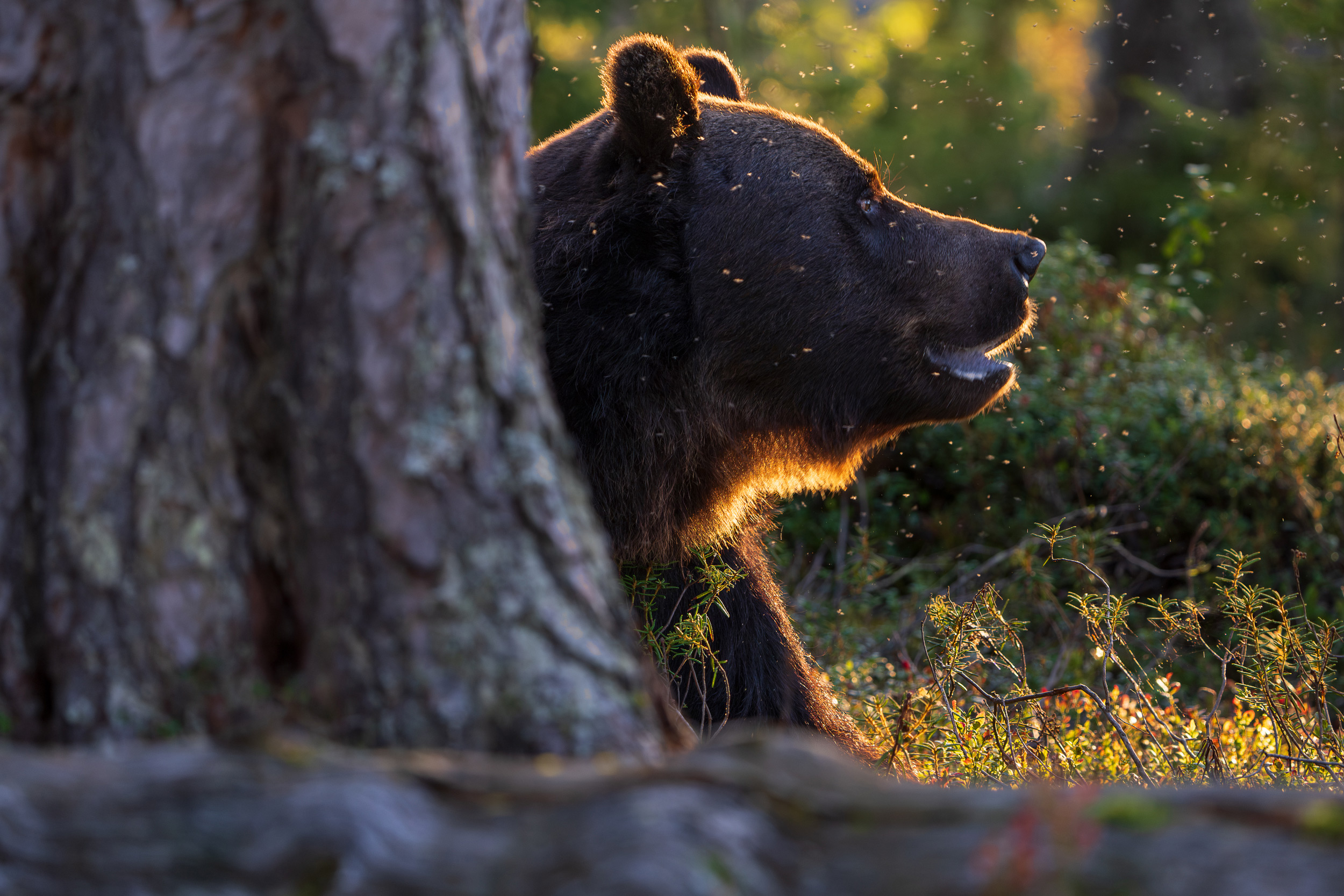 © Magnus Lundgren | Sony α1 + FE 200-600mm f/5.6-6.3 G OSS | 1/200s @ f/6.3, ISO 400
“Really, it’s more about human management than wildlife management,” Staffan concludes. “We want people to love their natural heritage. There’s no perfect solution, but there is a path towards something better. You only need to see it to understand it’s there.”
Featured products


Staffan Widstrand | Sweden
“I simply love the wild wonders of the natural world and am very attracted by the strikingly beautiful expressions of many different human cultures."

Magnus Lundgren | Sweden
It is all about positive change for me. An image may lure a person's mind and move the heart.


