
Capturing Nature’s Unpredictable Beauty
Olle Nilsson
My name is Olle Nilsson and I'm a nature and wildlife photographer from Sweden. I recently spent time in the Swedish countryside, exploring the forest and photographing the fallow deer rutting season, capturing the unique behaviours and interactions of these animals. Although focused on the deer, I also took the opportunity to capture everything else I came across during my walks outdoors.
This is something I truly love about wildlife photography - the unpredictability of it all. Each outing brings unexpected encounters, from birds and mammals to shifting light and changing landscapes. Each moment feels like its own story, which makes this type of photography so exciting.
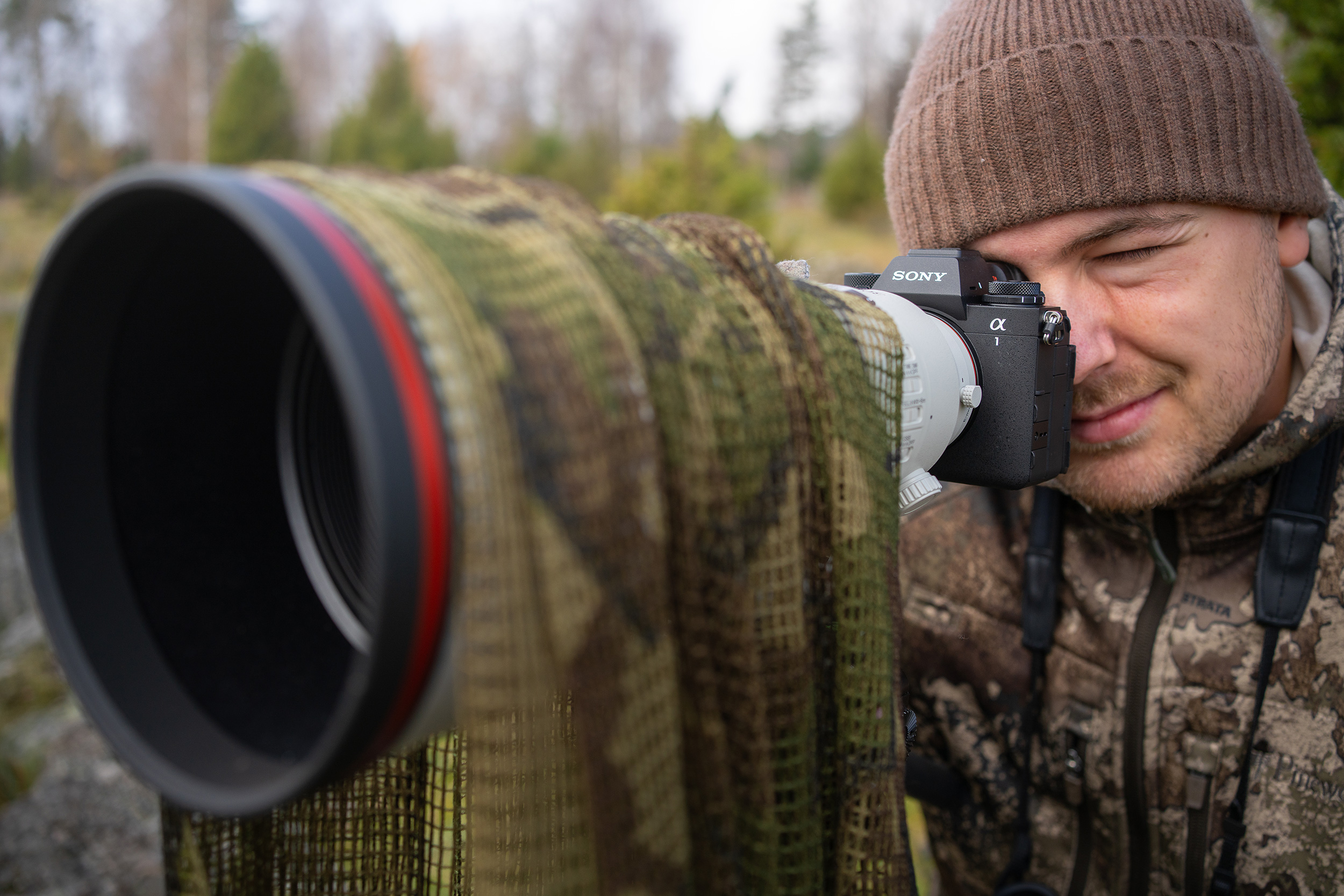
My usual camera is an Alpha 7 IV and although the bodies are a similar size, the first thing I noticed when picking up the Alpha 1 II was how much the larger grip was. It’s comfortable and balanced, which is perfect for long hours in the field. The button layout is spot-on, too, with easy access to everything I need, especially the C5 button, which is ideally placed for quickly toggling the speed boost function on and off.
Looking through the EVF for the first time, I was struck by its size compared to my usual camera, and the level of detail is just stunning. The 4-axis multi-angle LCD monitor is also a favourite; being able to view the screen from almost any angle is a huge help, especially when I’m in awkward positions. This camera feels like a solid, reliable workhorse, and I was itching to get out in the field and try it.
 © Olle Nilsson | Sony α1 II + FE 300mm f/2.8 GM OSS + 1.4x Teleconverter | 1/640s @ f/4.0, ISO 800
What really stood out for me with the Alpha 1 II out in the field was how natural it made capturing those unpredictable moments. The pre-capture mode combined with 30fps continuous shooting felt like a bit of a secret weapon. Letting me catch those tiny, fast actions, like a bird lifting off or a deer shifting its head just perfectly. It kind of feels like magic - capturing what happened right before I even pressed the shutter.
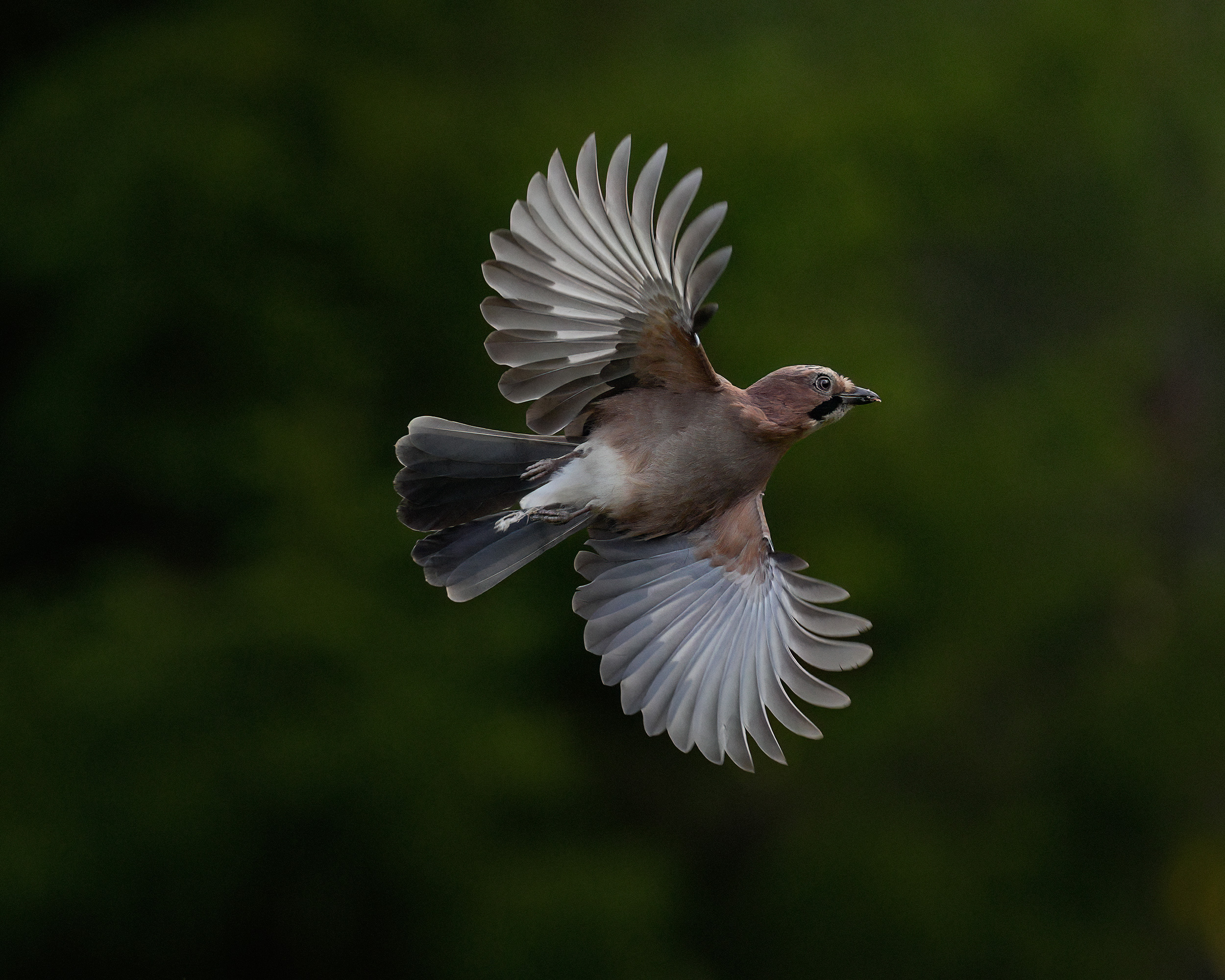 © Olle Nilsson | Sony α1 II + FE 300mm f/2.8 GM OSS + 1.4x Teleconverter | 1/3200s @ f/4.0, ISO 3200
One unexpected advantage of pre-capture was how useful it became for slower shutter speed shots. Since it records images before I press the shutter, I could avoid the slight camera shake that sometimes happens with slower speeds, eliminating the need for a remote controller or timer in those moments.
The AI-powered autofocus tracking was another feature I relied on. It quickly recognised and followed my subjects, which was a huge help when animals moved suddenly or blended into their surroundings. This is often a challenge when photographing subjects in a dense forest.
 © Olle Nilsson | Sony α1 II + FE 300mm f/2.8 GM OSS + 2x Teleconverter | 1/250s @ f/5.6, ISO 3200
The Alpha 1 II really delivers on giving photographers the tools they need for demanding projects. The image quality is fantastic, keeping all the details even when I need to crop in closer. Perfect for wildlife shots where getting near the subject isn’t always possible.
For photographers who need to capture split-second moments, this camera truly performs. The pre-capture and blackout-free 30fps continuous shooting make it easy to catch fast, unpredictable actions, and I can’t emphasise enough just how valuable this feature is when it counts most.
Photography is all about capturing a moment in time, and a camera like this makes this achievement possible.
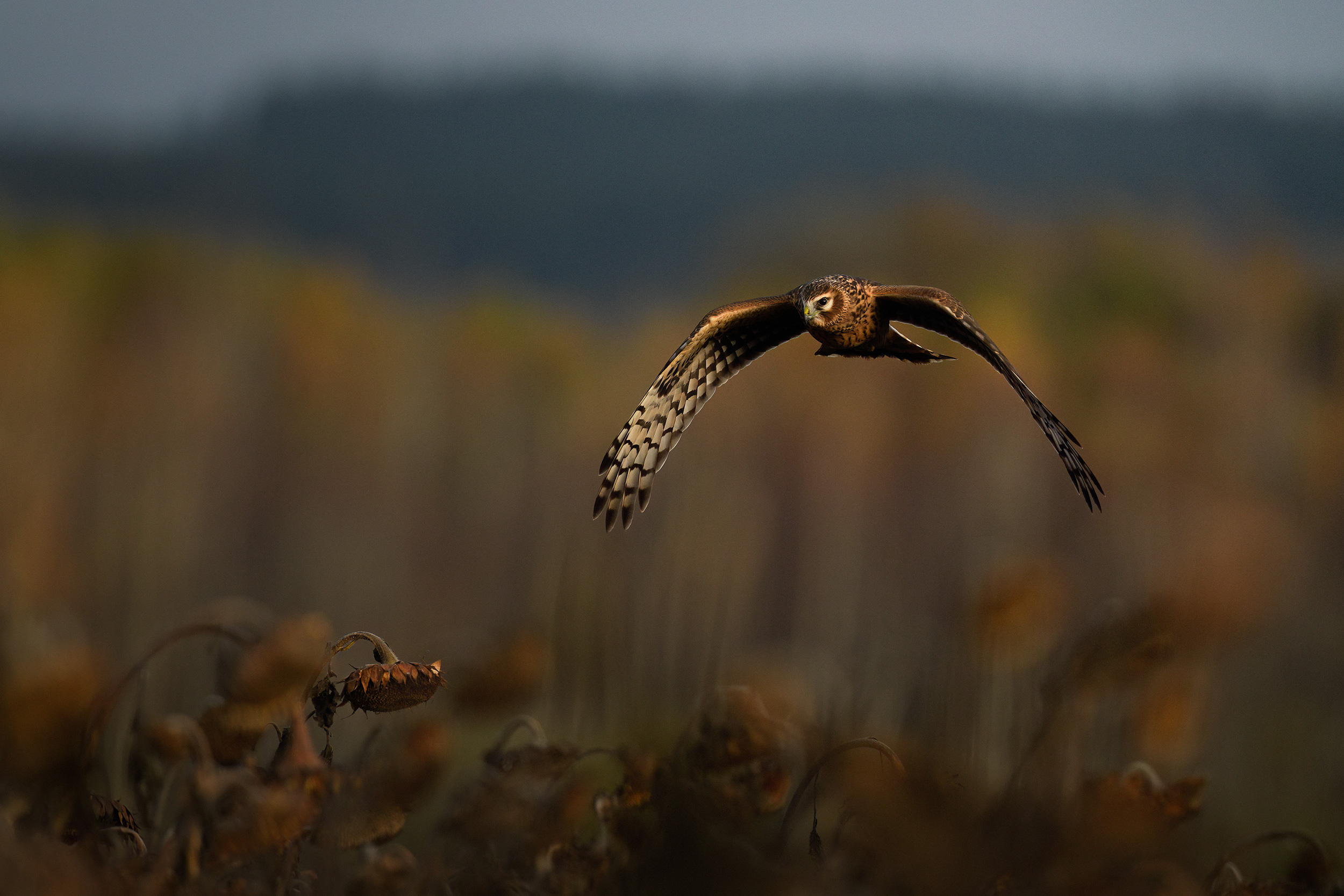 © Olle Nilsson | Sony α1 II + FE 300mm f/2.8 GM OSS + 2x Teleconverter | 1/3200s @ f/5.6, ISO 2000
For this project, I mainly used the FE 300mm f/2.8 GM OSS, which delivers incredible sharpness. It’s a powerful setup, especially when paired with a teleconverter, allowing me to shoot up to 600mm.
In the forest where I photographed the fallow deer, light conditions changed quickly, so having the flexibility to switch between the f/2.8 and f/5.6 apertures was incredibly valuable, and despite this impressive reach and flexibility, the setup is surprisingly lightweight, which is a huge advantage when moving through the forest or hiking to and from the rutting spot.
Sometimes, I need to crawl on the ground to slowly get closer without being noticed, and it’s in those situations that the weight of this setup really shines. The lighter load helps me stay mobile and ready.
In the end, that’s what matters most in wildlife photography, being ready.

Wildlife photography can be challenging, but that’s what makes it so rewarding. Capturing the perfect moment is part of the fun. You might have heard this before, but knowing your subject is essential. Understanding an animal’s behaviour helps you photograph it in the best way possible.
Spend some time learning about the animals you’re photographing. Ask for advice and always be open to improving. I’m not saying you need a Karate Kid-level study session before picking up a camera. Just being out in nature is the best way to experience wildlife. If you notice a behaviour that makes you curious, look it up! These small insights add up over time, deepening your understanding.
 © Olle Nilsson | Sony α1 II + FE 300mm f/2.8 GM OSS + 2x Teleconverter | 1/320s @ f/5.6, ISO 3200
When I feel like giving up on finding what I’m after, I remind myself I’ll see more wildlife here (in the forest) than from the couch at home. So get out there, expose yourself to nature, and always bring your camera!"


