
Far from the Crowd: Japan in Detail
Gábor Erdélyi
Scroll through Gábor Erdélyi’s Instagram feed and you’ll see a variety of different portrait and commercial images. “Basically, I consider myself a portrait photographer,” he tells us. “I find great interest in the human itself, but I also shoot fashion, architecture, interior, wedding and lifestyle photos; I don’t focus on one topic at a time.”
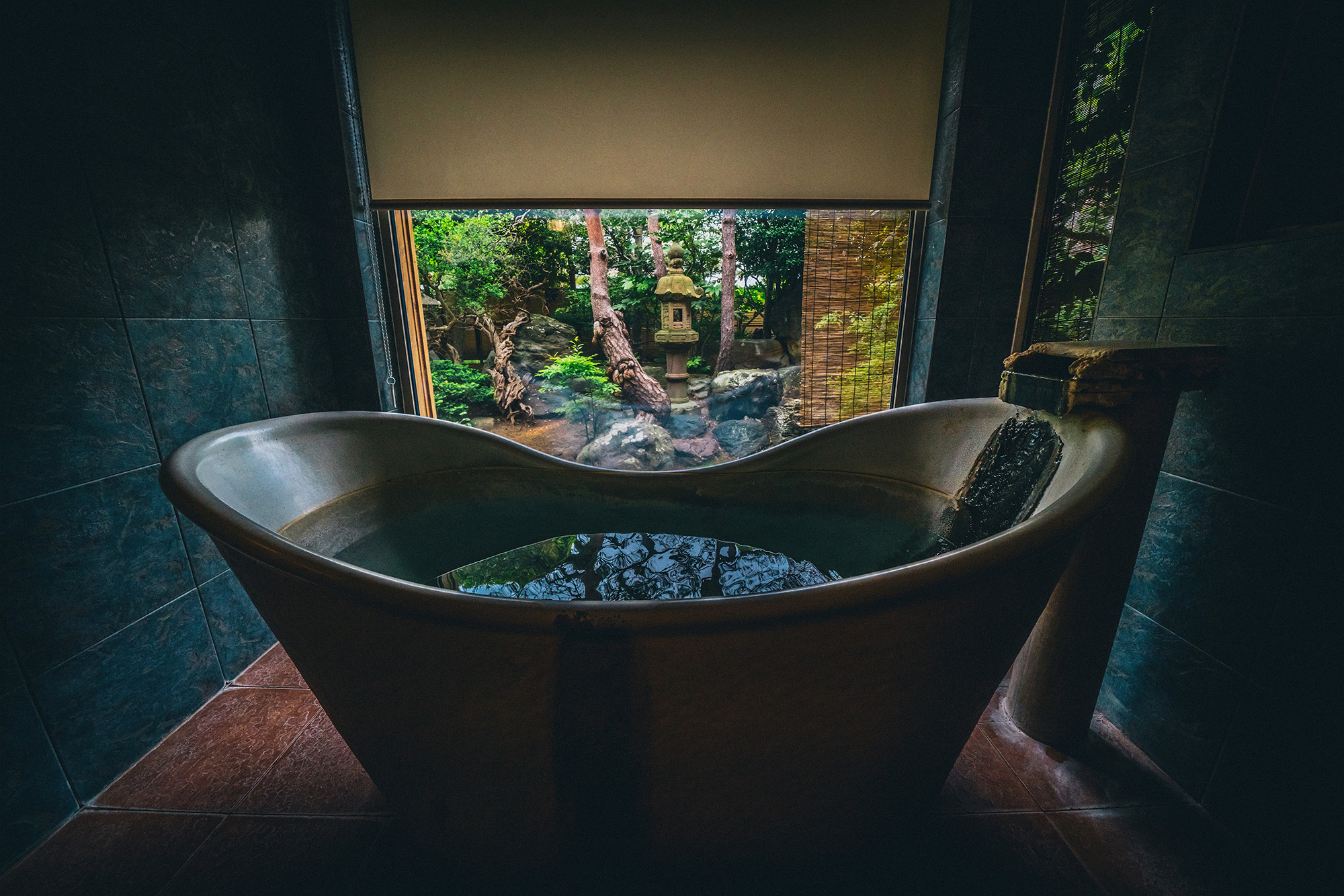 © Gábor Erdélyi | Sony α7R III + FE 12-24mm f/4 G | 1/400s @ f/7.1, ISO 1250
With much of his time devoted to portraiture, it is surprising to see Gábor working on a personal project he has been shooting for years which features virtually no people. Instead, it’s made up of thousands of images of small, beautiful details that he has photographed on his many trips to Japan, a country which, since travelling there for the first time in 2016, he has visited every year since. And each time, he’s been sure to take with him whichever Sony Alpha camera he happened to be using at the time, which he affectionately describes as his “partners in creation.”
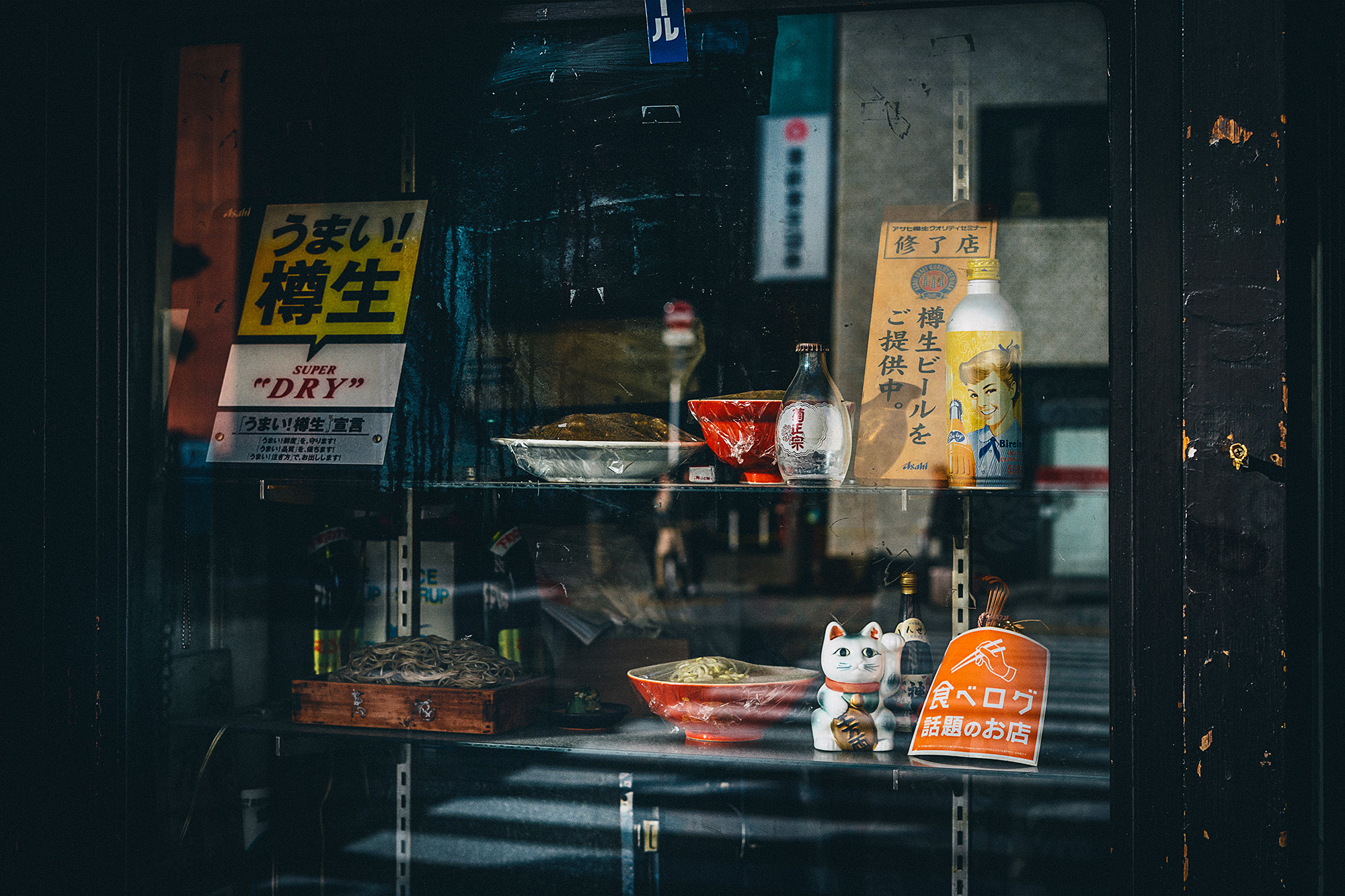 © Gábor Erdélyi | Sony α9 + FE 50mm f/1.8 | 1/400s @ f/4.5, ISO 100
Having taken the usual tourist shots around Tokyo, Gábor didn’t feel he was capturing what Japan was really like, so he started exploring the more rural parts of the country. “We went to the Iya Valley on Shikoku Island, which is where I truly fell in love with Japan. The slow, semi-empty, tiny villages; the friendly people; the extremely clean, but in many places, worn objects, and the silence, was what got me. It was there that I began to photograph the small details, perhaps irrelevant to others, but of which this series is composed.”
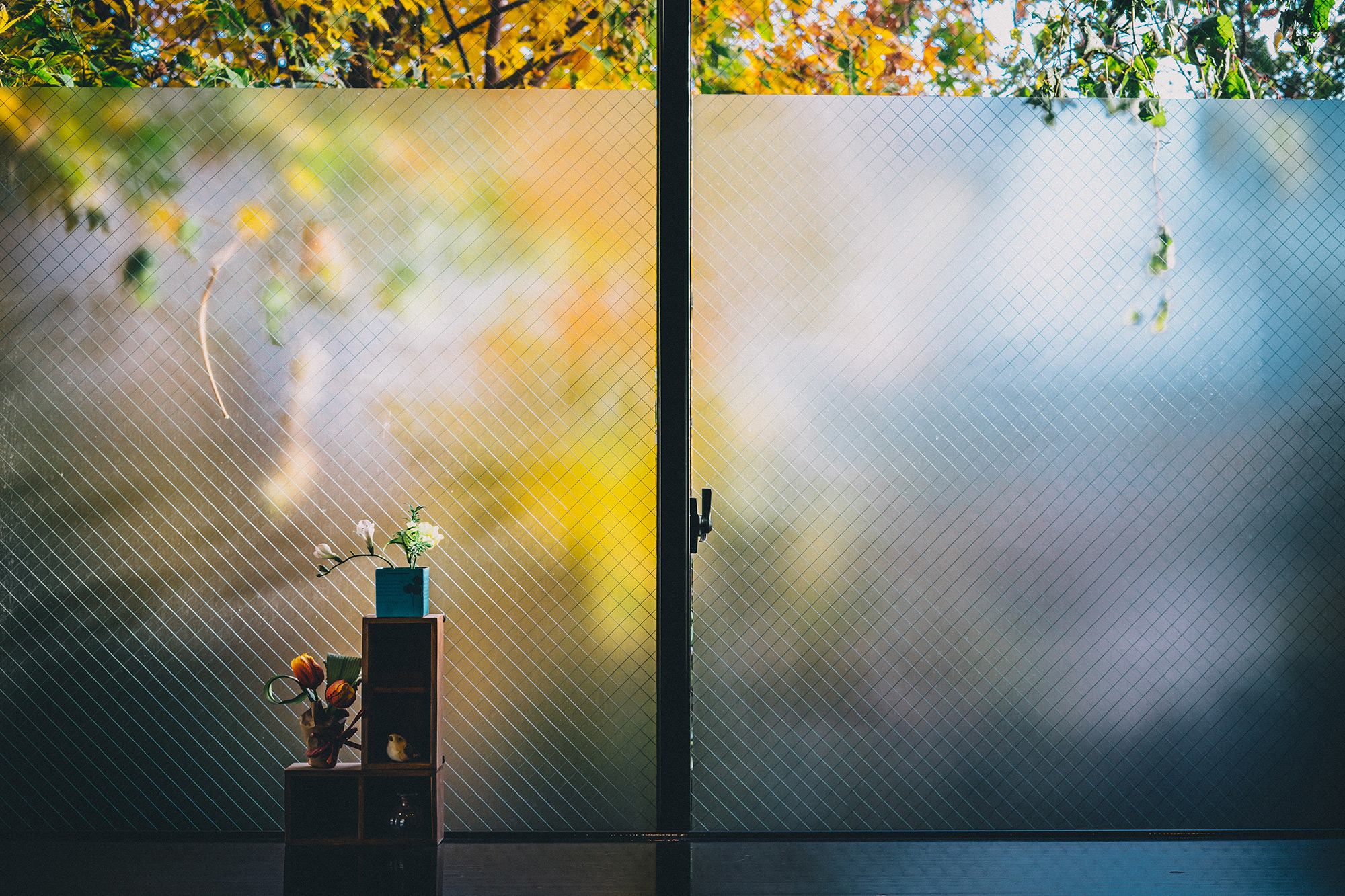 © Gábor Erdélyi | Sony α9 + FE 50mm f/1.8 | 1/160s @ f/5.0, ISO 500
“For the first time in my life, I did not focus on people,” he says. “But instead the objects made by them and on their transience, the passage of time. All the while using the techniques I’ve learnt along the way throughout my photography career.”
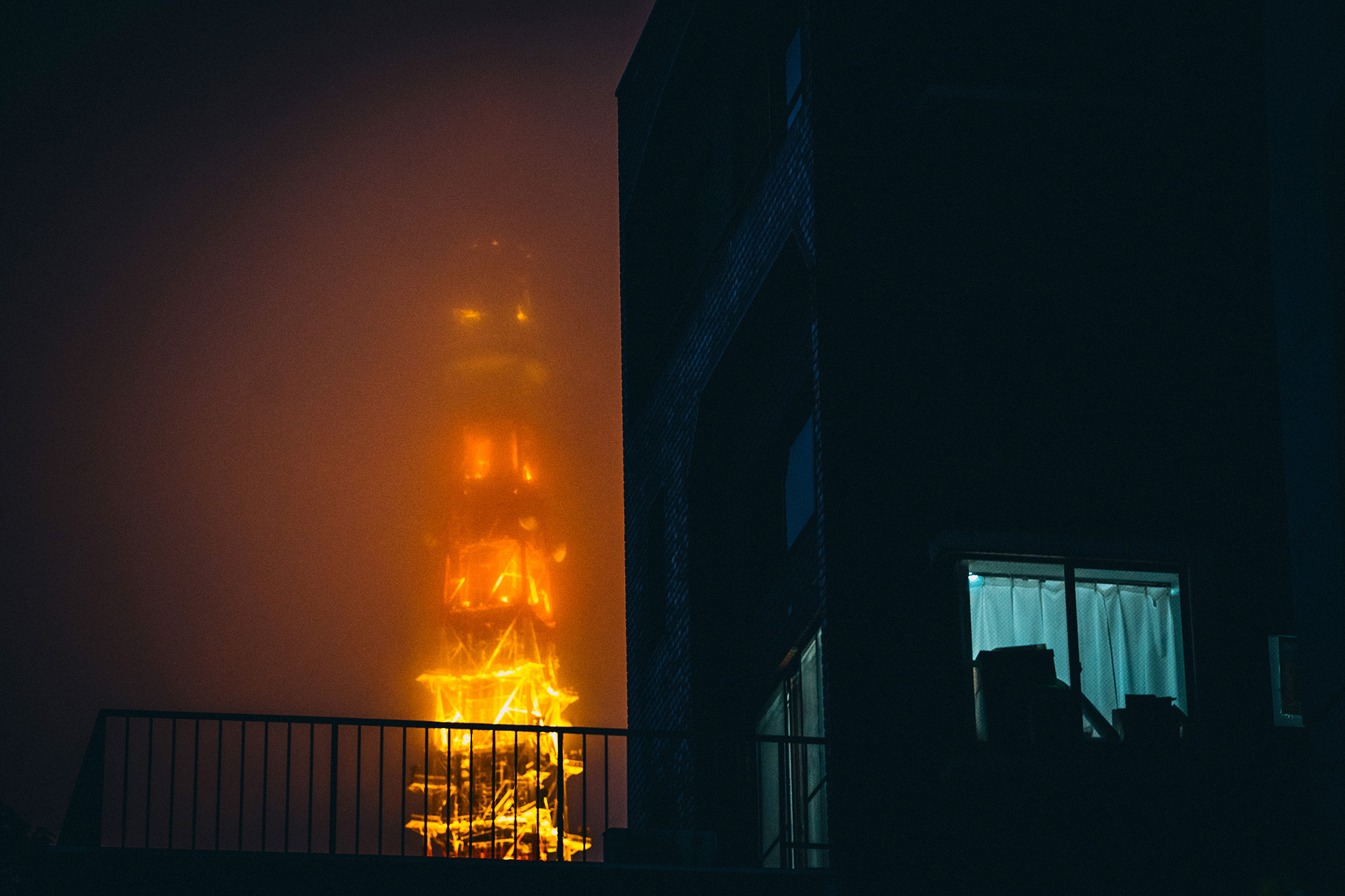 © Gábor Erdélyi | Sony α9 + 135mm f/2.8 | 1/160s @ f/4.0, ISO 2000
“On each trip I took a different camera with me. I had the Sony Alpha 9, Alpha 7 RII, Alpha 7R III and the Alpha 7R IV too. I love these cameras; I love how small they are compared to a DSLR, as size and weight are so important when I’m on trips like this. But there are also key features: the speed of shooting for street photos, the image quality at high ISO settings to allow me to shoot at night, and the breathtakingly fast focusing, not forgetting Eye AF for when I do happen to shoot portraits. They are my main cameras, for travelling and for my work too.”
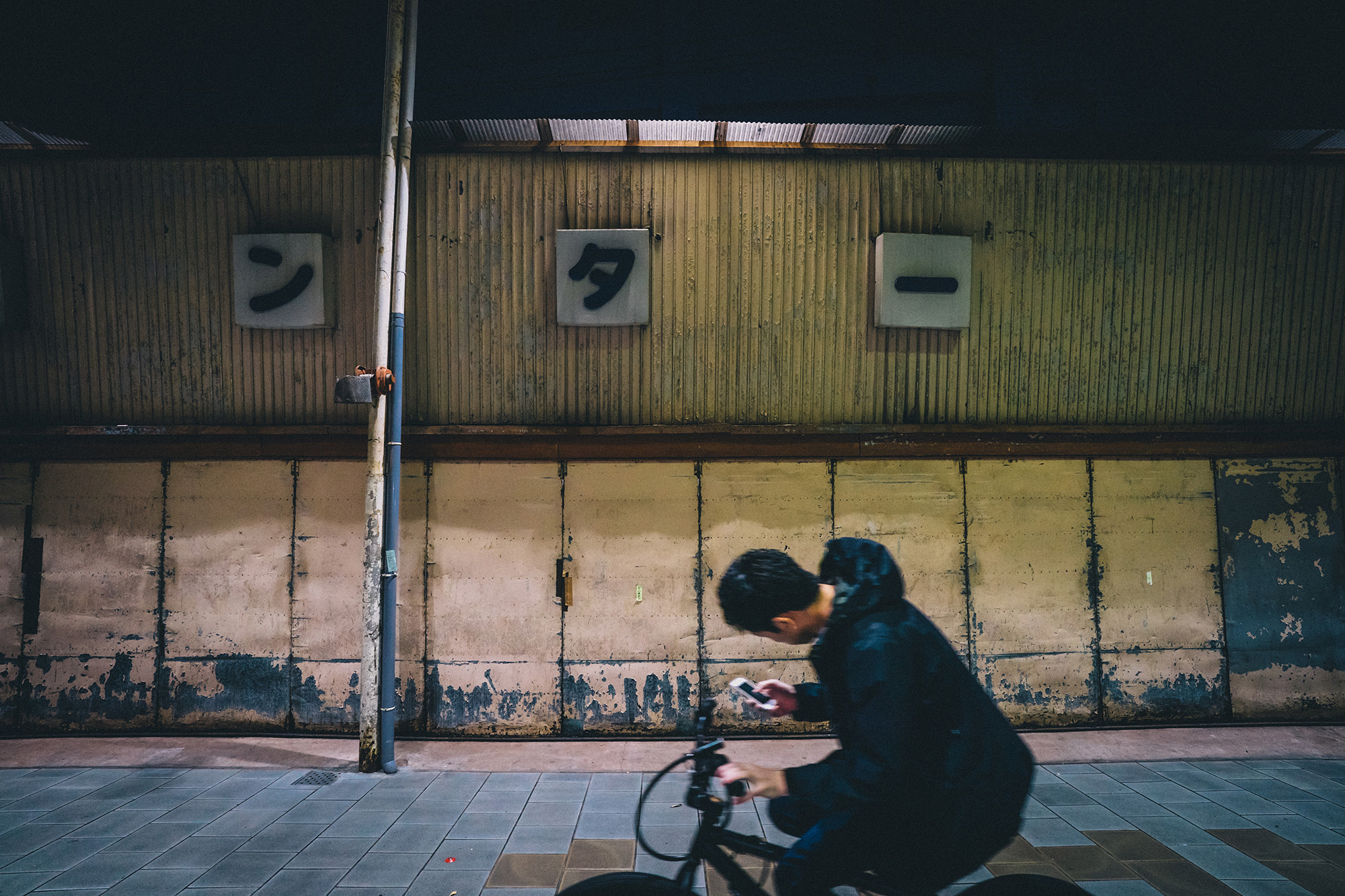 © Gábor Erdélyi | Sony α9 + 18mm f/2.8 | 1/160s @ f/5.0, ISO 2500
As any photographer knows, the aim is always to travel light, but the instinct to pack ‘just one more lens’ is an ongoing battle. Although Gábor also tried to keep his lenses to a minimum, he still took the FE 24-70mm f/2.8 GM, FE 12-24mm f/4 G and FE 70-200 mm f/2.8 GM OSS lenses with him.
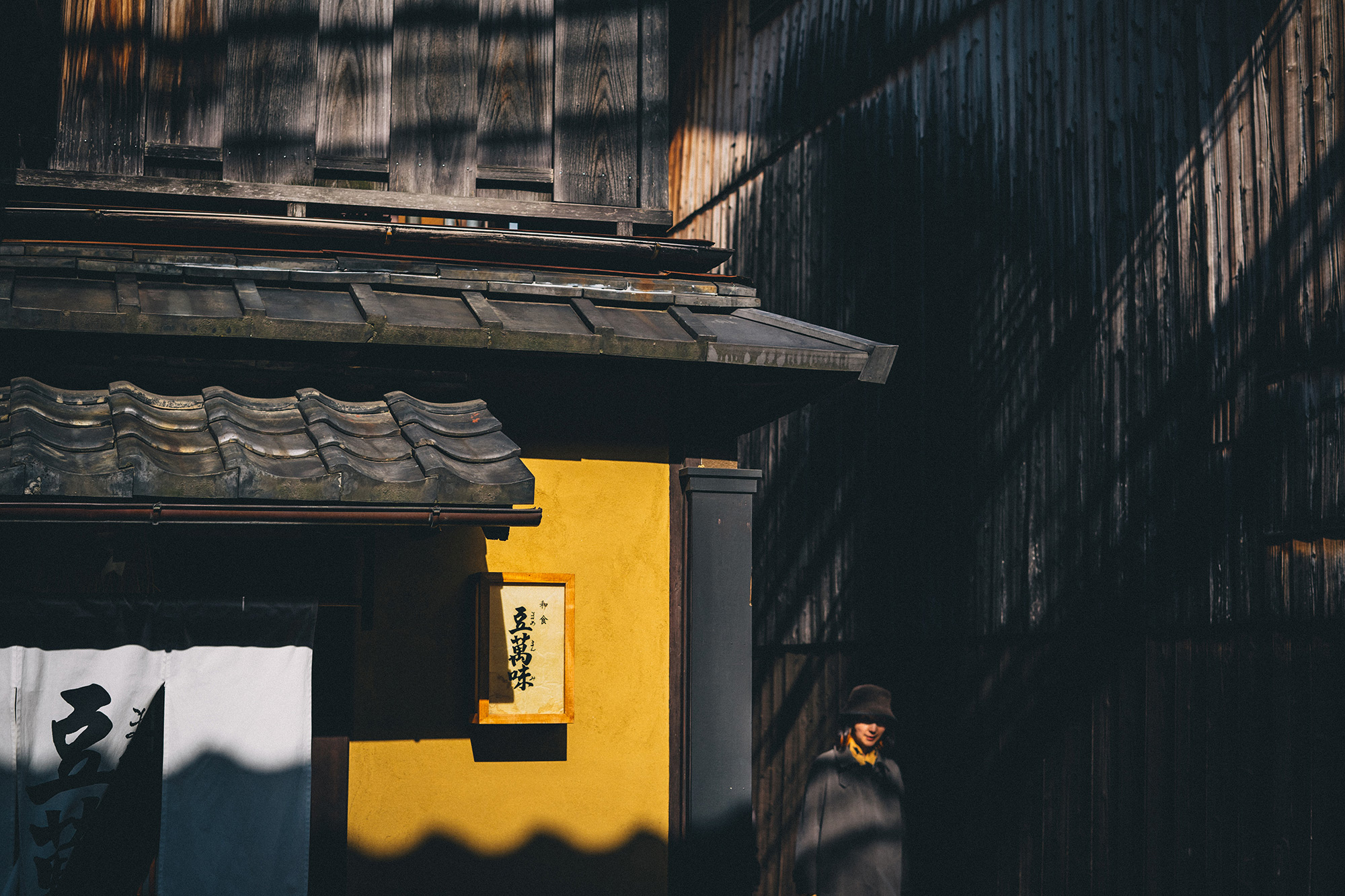 © Gábor Erdélyi | Sony α9 + FE 50mm f/1.8 | 1/1600s @ f/4.5, ISO 100
“I would always decide what lens to take out that day in the morning. If I only take out one then most of the time it’s the FE 24-70mm f/2.8 GM that’s dangling around my neck,” Gábor explains.
The project now consists of thousands of images. “So far I’ve processed 2,300 images from my trips to Japan. Out of this I’ve managed to narrow it down to around 400 images. Eventually I want to edit them right down to produce an album,” Gábor reveals.
Like every photographer, choosing the best images isn’t easy. “A personal experience ties me to each picture, and I have a hard time deciding which one tells a story only to me or to others as well, he explains.”
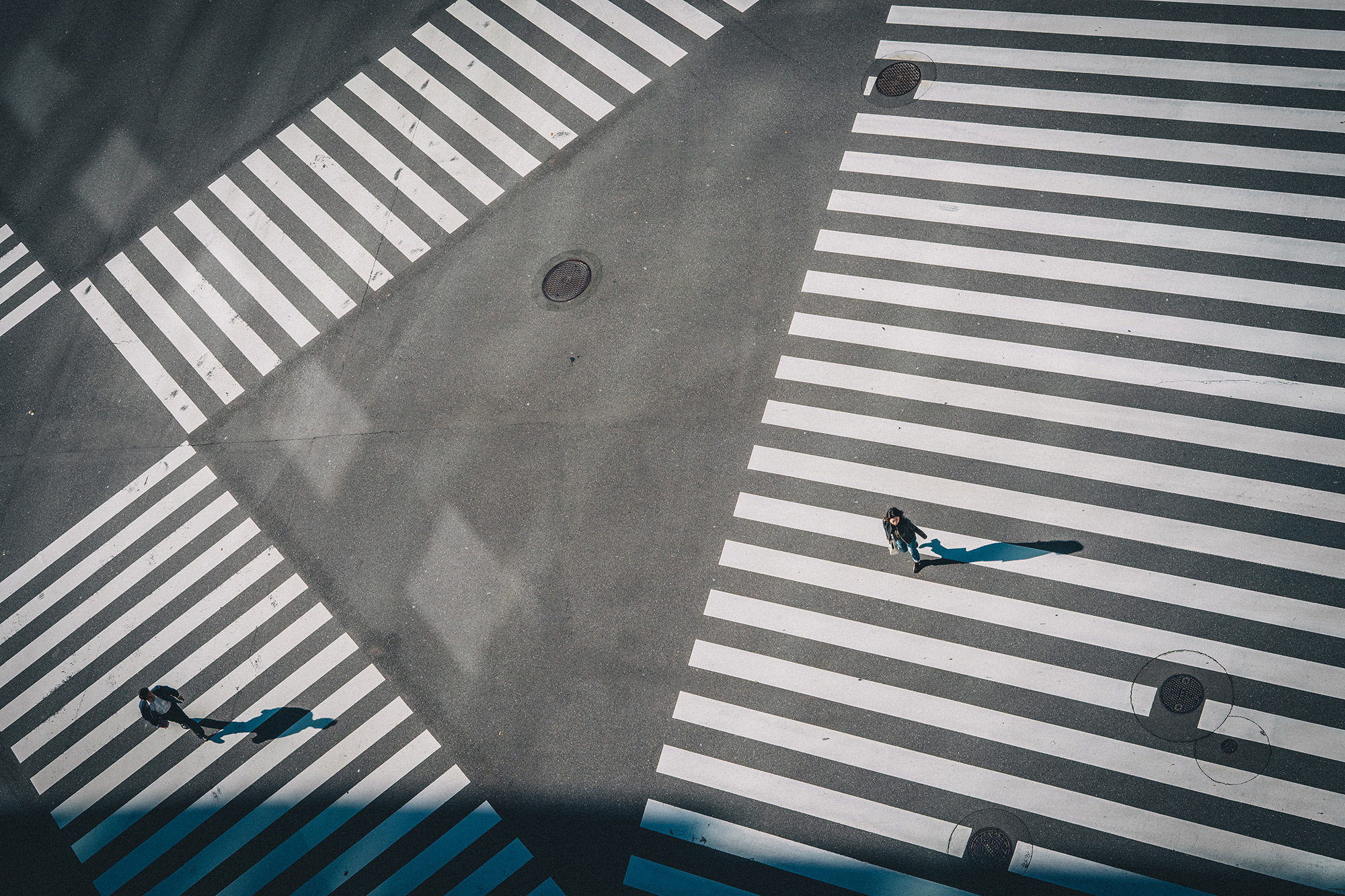 © Gábor Erdélyi | Sony α9 + FE 50mm f/1.8 | 1/640s @ f/8.0, ISO 320
Having a personal photo project like this is something Gábor encourages all photographers to do. “Personal projects, the joy of photography, and the inherent experience make you realise that photographers have one of the most beautiful professions in the world,” he exclaims.
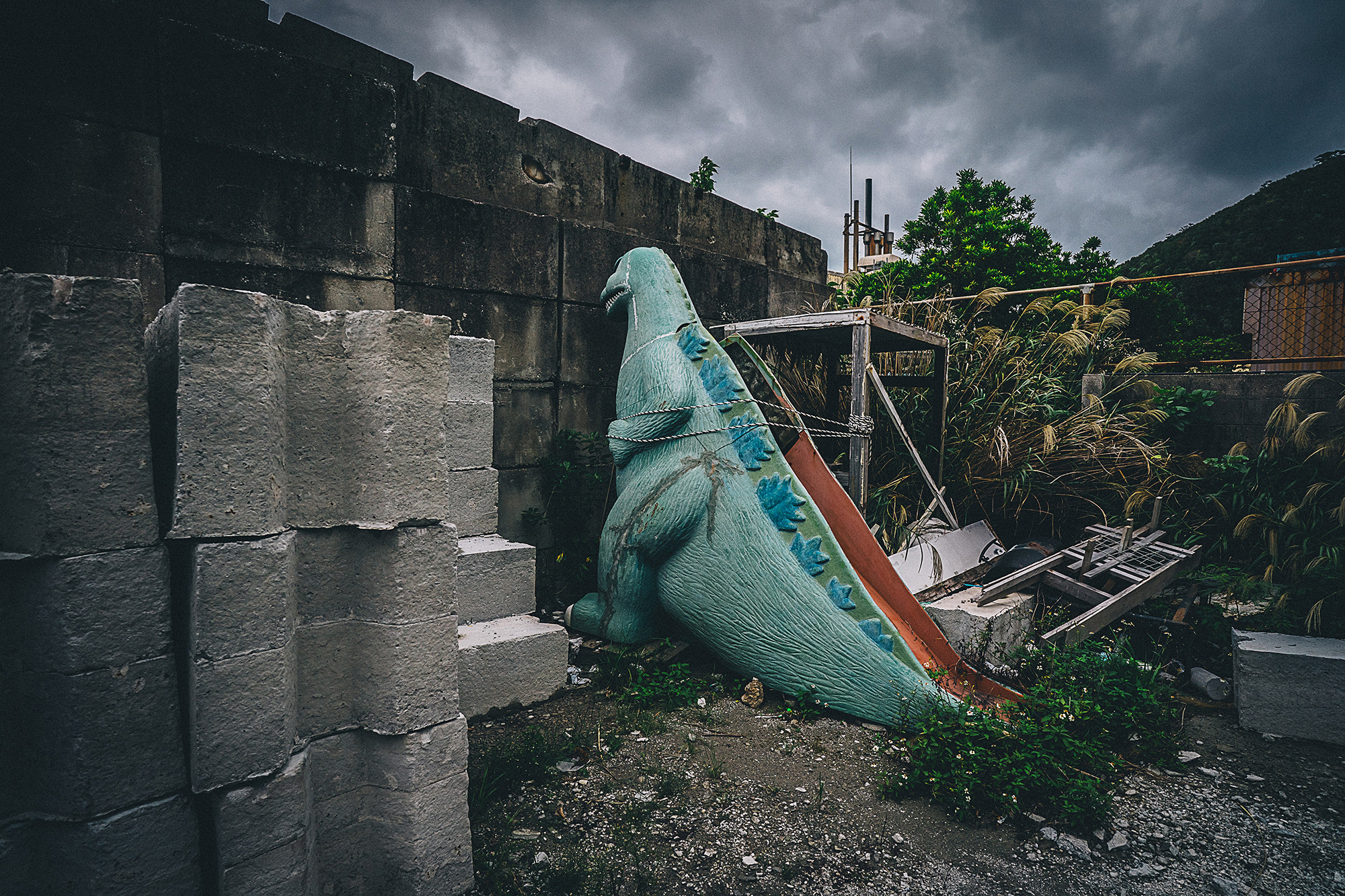 © Gábor Erdélyi | Sony α9 + 18mm f/2.8 | 1/250s @ f/5.0, ISO 400
“Creating has a fantastic impact on the self. It gives you self-confidence and a sense of success, energises you and gives you a chance to show your personal vision,” he continues. “I definitely recommend everyone picks up a camera so they can experience this feeling. You don’t need to become a professional photographer to create amazing images.”


