Feeling the Chill
Bertrand Bernager
Photography is central to our lives; we take images as records of the past, but still, a photo itself is inherently removed from reality. Yes, it’s an indisputable moment, frozen in time, but it’s two dimensional, without the sounds, the smell or the literal feeling of being there. Therefore, much of the skill in photography is how well a picture can communicate the feeling of ‘being there’.
“For me,” begins Bertrand Bernager, “a huge part of that communication comes from texture. I use it to make a viewer feel like they could reach out and touch a place.”
 © Bertrand Bernager | Sony α1 + FE 12-24mm f/2.8 GM | 1/200s @ f/8.0, ISO 200
The perfect chance to test this theory came on a recent trip to Iceland, he explains. “I’ve only recently graduated from my photography degree,” Bertrand says, “and in Paris, I shoot a lot of street and architectural images. Yet, I’m always pushing myself to try new things. One idea was to take on a landscape project and all of a sudden, I found myself in Iceland in the middle Winter. This was certainly out of my comfort zone, but that’s what I love about photography – endless possibilities to travel and be brave!”
 © Bertrand Bernager | Sony α1 + FE 12-24mm f/2.8 GM | 1/50s @ f/8.0, ISO 100
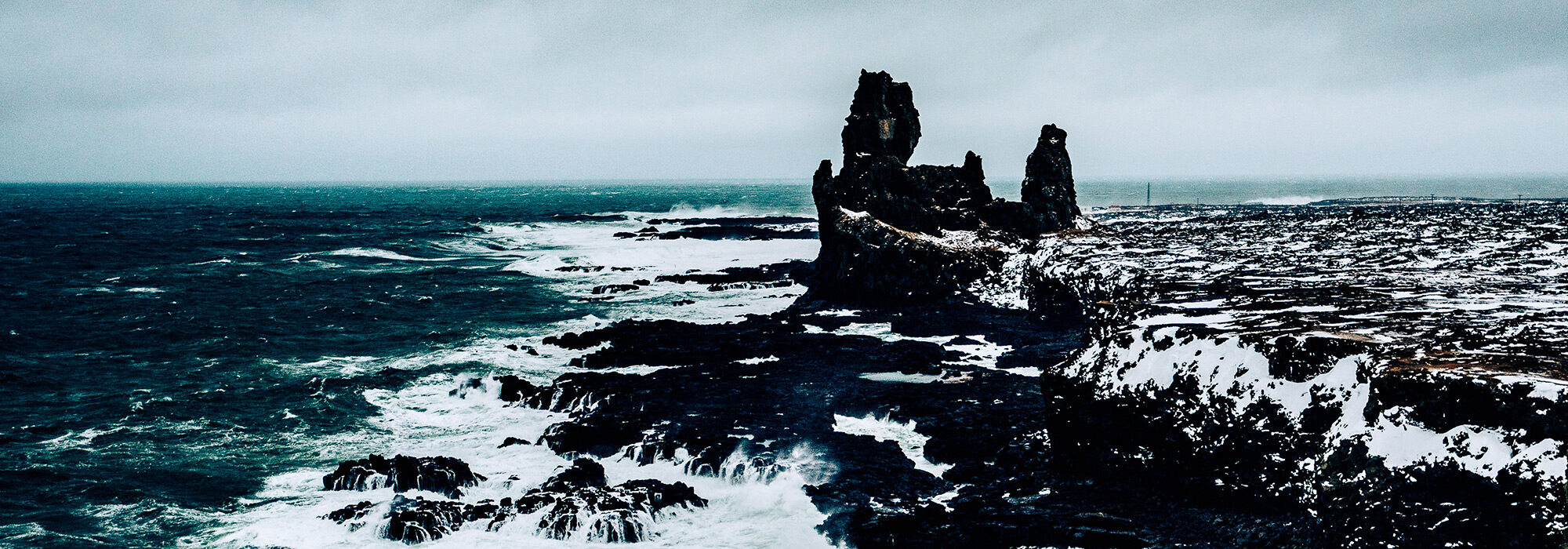
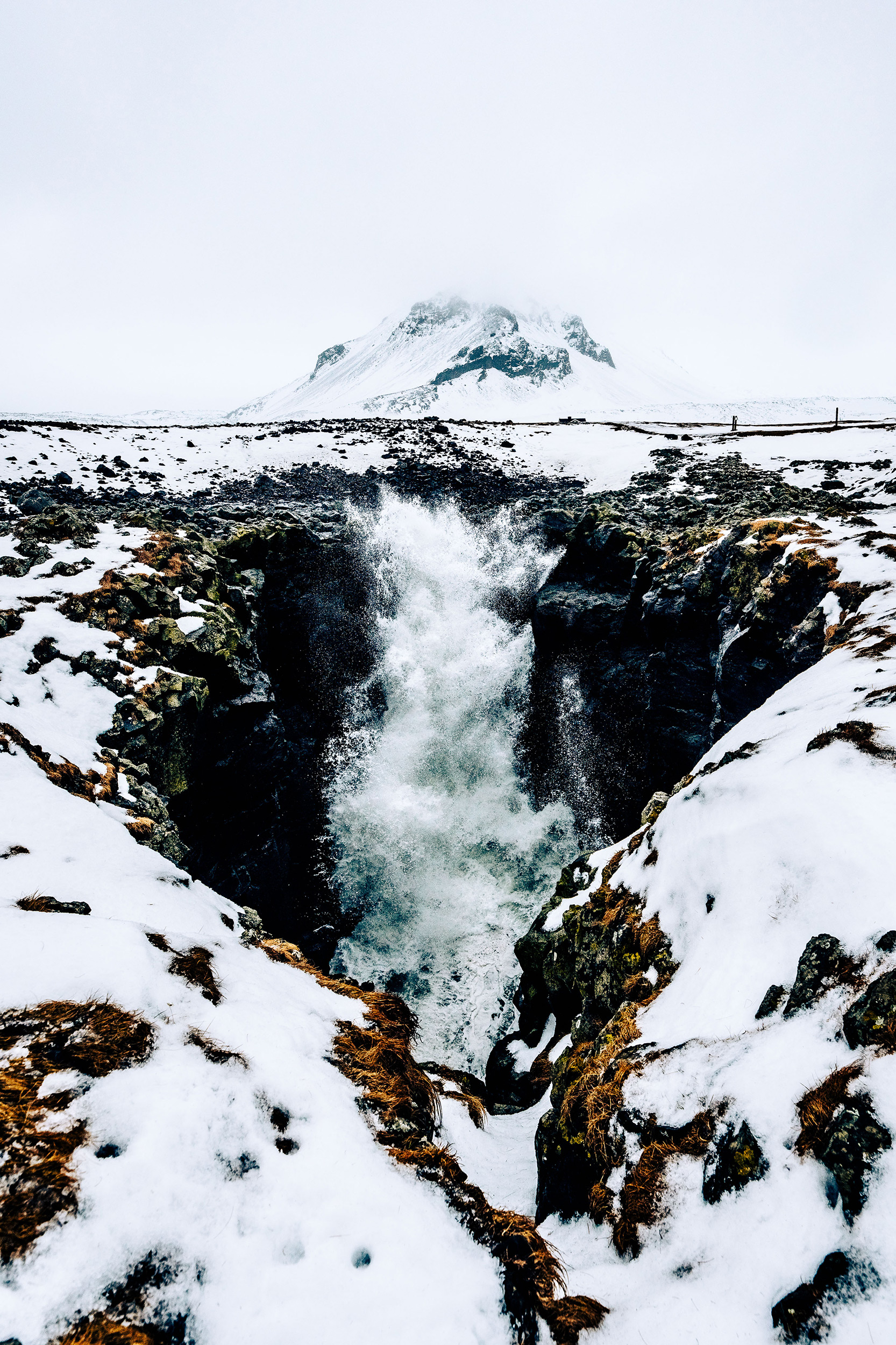
At –20 degrees and buffeted by one Atlantic snowstorm after another, the barren wilderness of volcanic rock “almost left me in shock” Bertrand says. But, it had just the effect he was expecting.
“It’s a truly alien landscape,” he continues, “inhospitable and strange to the senses and hard to make sense of initially. Almost monochrome between the black volcanic rock and the white snow and ice.”
 © Bertrand Bernager | Sony α1 + FE 16-35mm f/2.8 GM | 1/400s @ f/4.0, ISO 400
 © Bertrand Bernager | Sony α1 + FE 12-24mm f/2.8 GM | 1/640s @ f/5.0, ISO 400
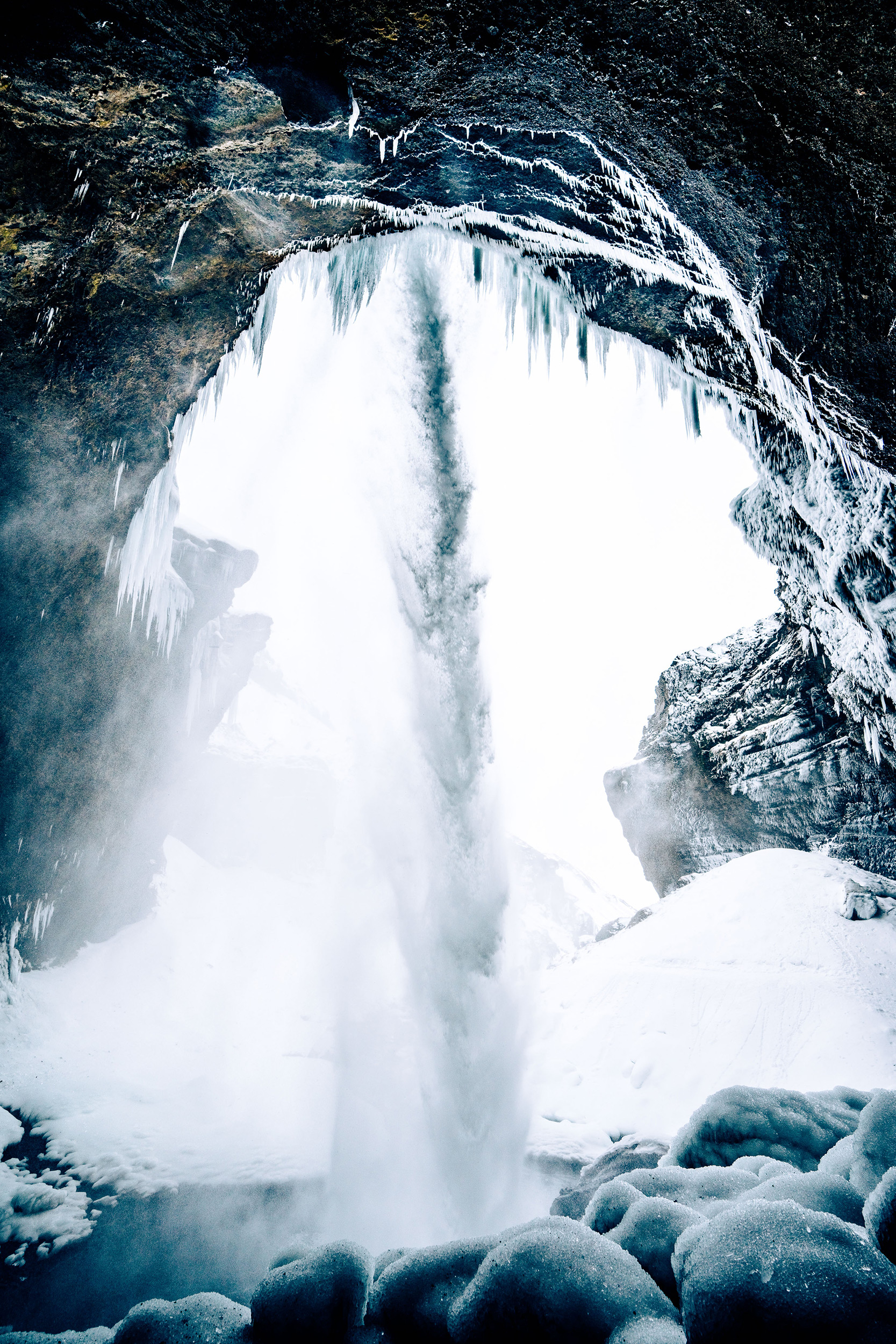
Knowing that without some structure, he wouldn’t be able to function in the chaos of new stimuli and choices, Bertrand reached for good practice. “As a photographer, you need to tie yourself to something or you’ll be swept away by it and just shoot randomly. Looking around for constraints, he “decided the task was to focus on the pure harshness of being there.”
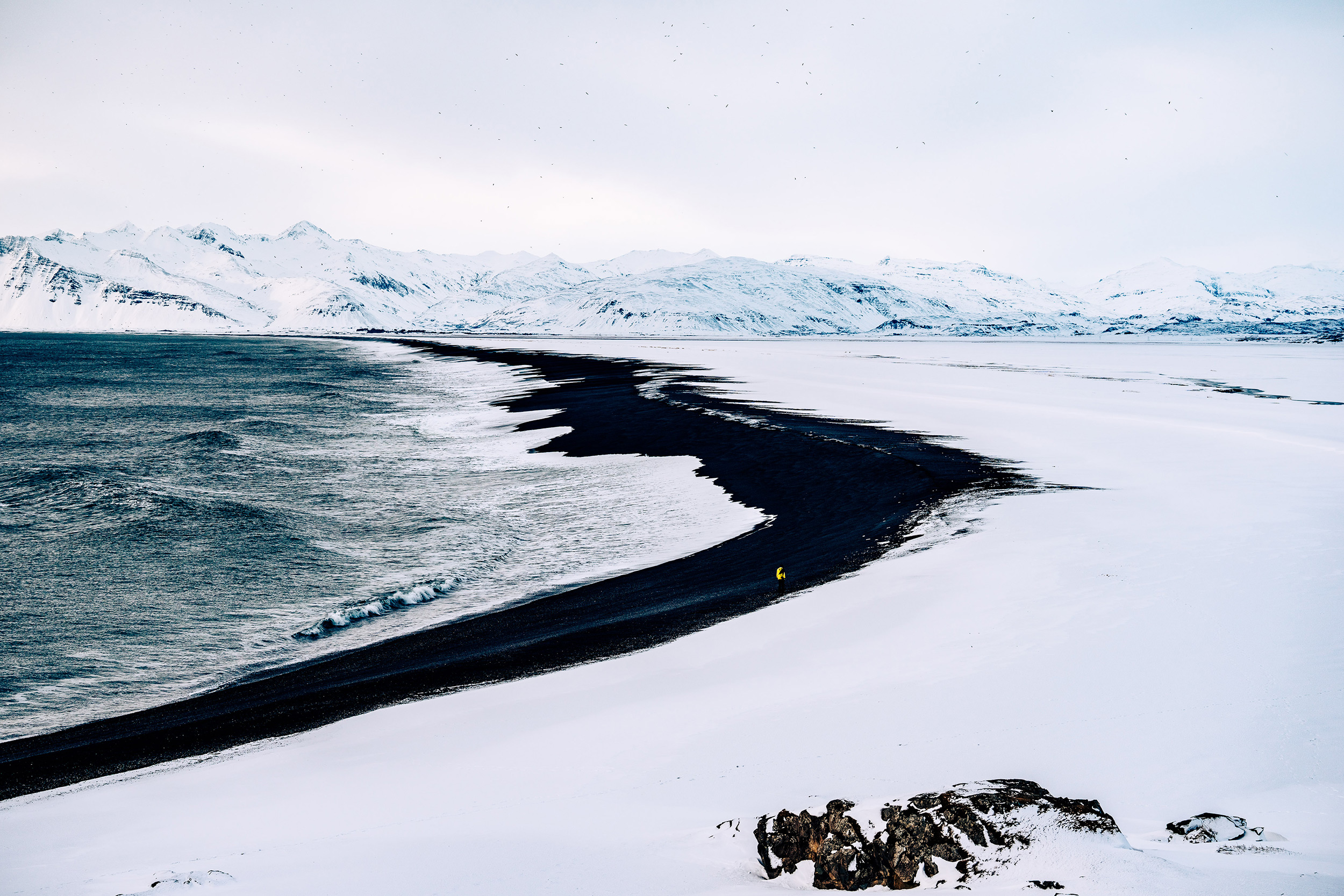 © Bertrand Bernager | Sony α1 + FE 70-200mm f/2.8 GM OSS II | 1/1600s @ f/5.0, ISO 200
To truly communicate texture, “I took one of my gloves off and touched the rock and ice. When you think about it, you can't describe a taste without putting it on your tongue; so how can you tell someone how something feels without first touching it?”
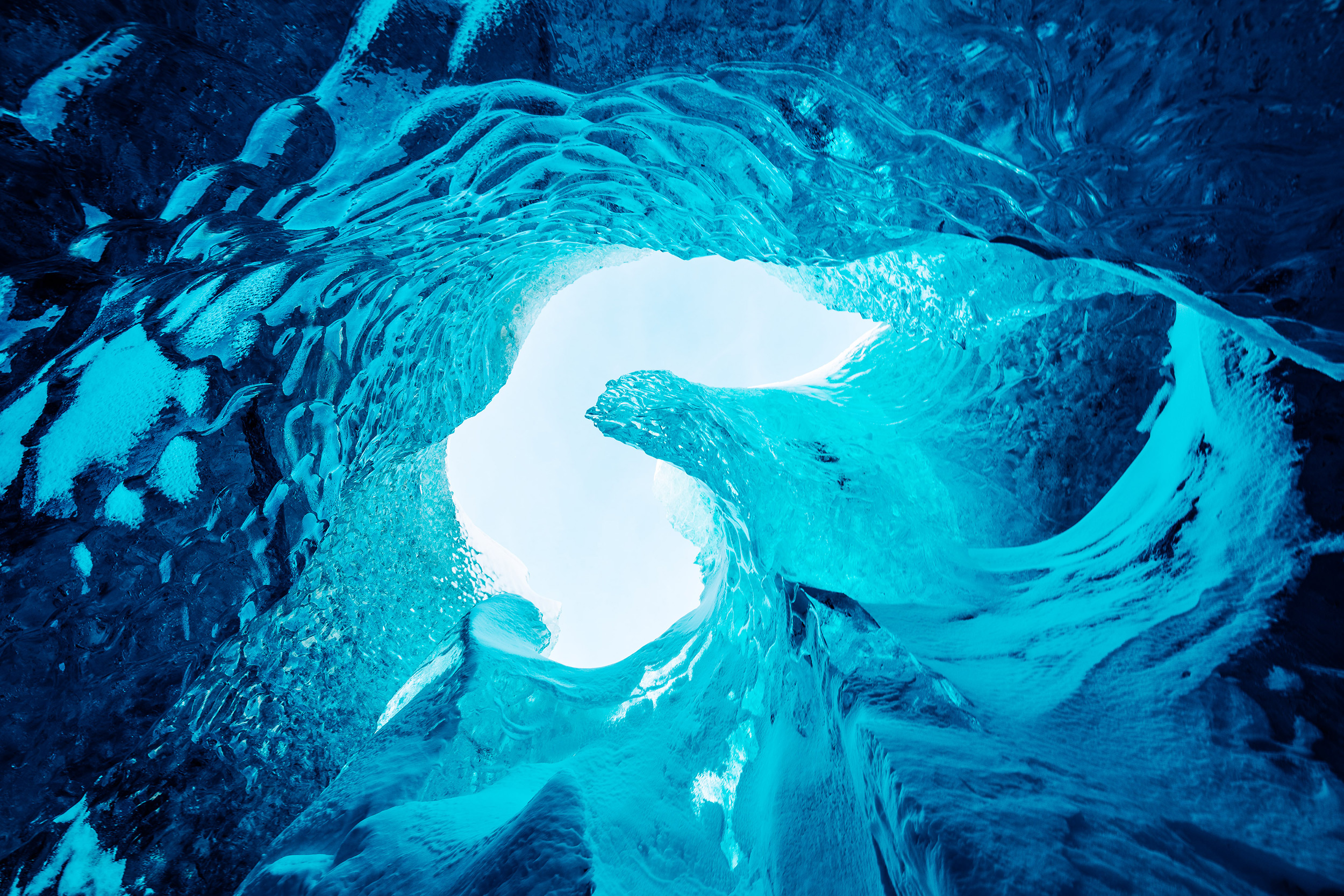
Bertrand’s images of the Vatnajökull glacier – the largest ice cap in Iceland – see him bring the ice caves alive with careful camera technique and astute use of the light, both instrumental in a textured look. “The light and its colour affect texture completely,” he explains, “and because we found these caves on a day when the sky was blue, the ice is a deep aqua, too. It’s the same with the direction – harder light brings more texture.”
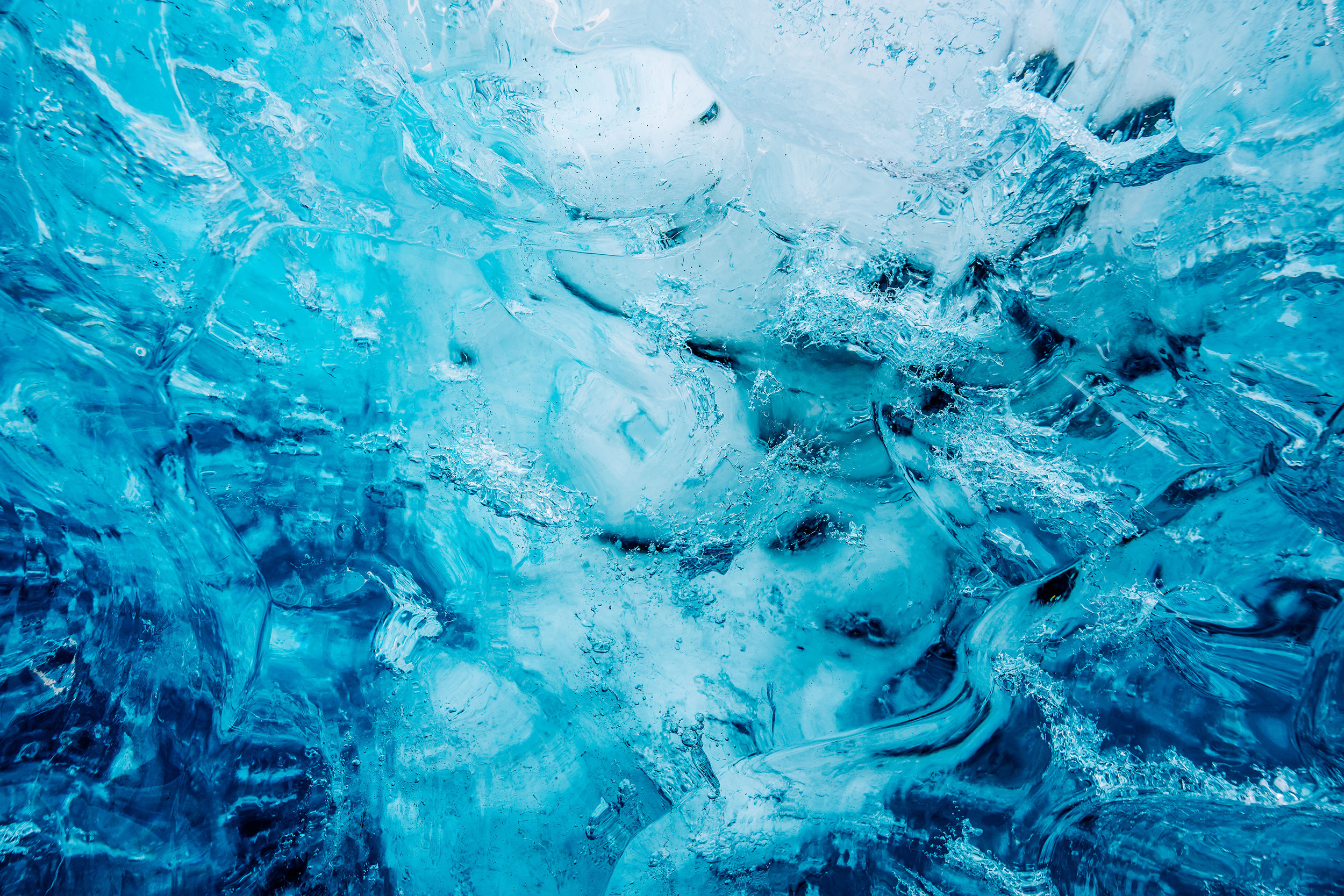 © Bertrand Bernager | Sony α1 + FE 12-24mm f/2.8 GM | 1/25s @ f/8.0, ISO 100
“Each of these caves is unique,” he continues, “appearing seasonally and then vanishing. That’s the nature of ice and I felt so lucky to see them.” Making the most of the icy textures in close up, he used an FE 12-24mm f/2.8 GM lens on one of his Alpha 1 cameras, shooting wide open at 12mm and manually focusing on the closest distance. “I pressed the lens right up against the ice, so you can see the air bubbles and the sand in it. When you’re that close, it almost feels like you’re underwater.”
 © Bertrand Bernager | Sony α1 + FE 70-200mm f/2.8 GM OSS II | 1/1600s @ f/4.0, ISO 200
The choice to shoot wide open and create a shallow depth-of-field was important here, and my trusty Alpha 1 camera approached the task with ease. “Rather than stopping down,” he says, “wide apertures allow contrast between the sharp and the blurred, making these natural textures more prominent. They look sharper and give it a more three-dimensional look.”
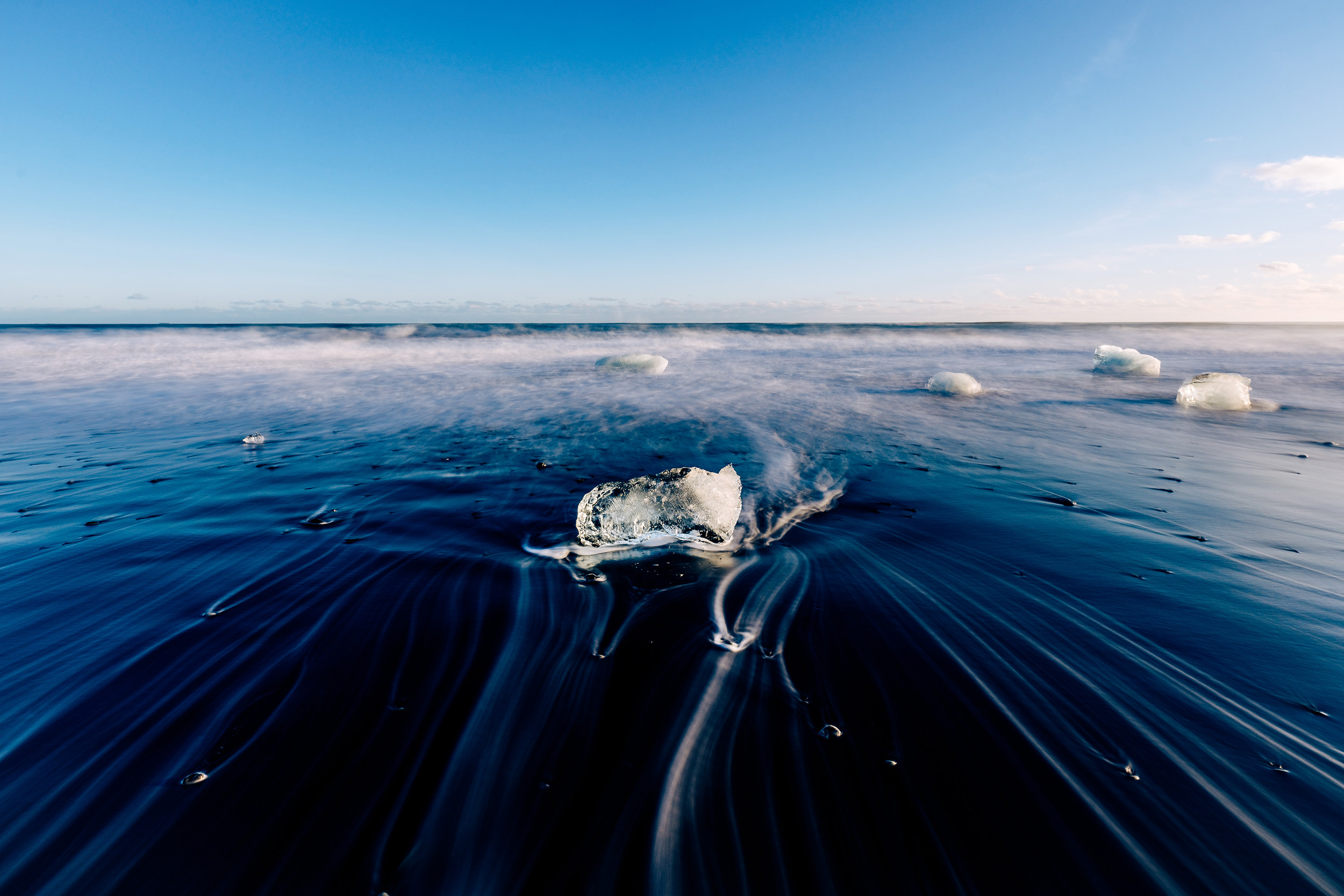 © Bertrand Bernager | Sony α1 + FE 12-24mm f/2.8 GM | 10s @ f/11, ISO 100
That form of contrast also applies in Bertrand’s shots of Breiðamerkursandur – or ‘Diamond Beach’ – where tiny berglets litter the black sand, twinkling in the sun. “Again,” he says, “it’s the contrast that keeps your eye on sharp texture, but this time it’s a slow shutter speed that blurs the waves and shifts sand around them. I shot at about 10 secs here.”
In fact, he continues, “that was pretty much the only time I used a tripod on my trip. The in-body, five-axis image stabilisation on the Alpha 1 is so good, that the only time I need ‘legs’ is for long exposure or night photography.”
“I’ve been using the Sony Alpha 1 for more than a year now,” he continues, “and it’s the ultimate professional’s too because it nails every feature. The 50-megapixel resolution is great for image quality, as is the dynamic range. It’s also great in low light, has astonishing autofocus features and it’s built like a tank. I working was in –20 degrees in gales and snow and the camera never shut down.”
 © Bertrand Bernager | Sony α1 + FE 16-35mm f/2.8 GM | 1/640s @ f/4.0, ISO 800
“The Alpha 1 is built so that you can trust it,” Bertrand concludes, “and the fact that it can shoot anything means it’s really the perfect tool for experimentation, too. Landscapes were just as new to me as Iceland was, and I’m hoping to head back in the Summer which will be completely different. A whole new place to experience – and touch – and I’ll be glad to have the Alpha 1 with me.”
Featured products


Bertrand Bernager | France
"Through photography I try to track the light, sublimate the movement, capture the moment"


