
Lens Profile | FE 20-70mm f/4 G & FE 70-200mm f/4 Macro G OSS II
Terry Donnelly
Do professionals ever take a day off? That’s debatable. The image-making brain is always working, the eyes always alive to new opportunities, but that doesn’t mean it’s the same as work. In their downtime, photography can still be refreshing and stimulating.
Certainly, that’s what Terry Donnelly found on a recent family trip to Australia. “Most of what I shoot professionally, including sports and portraiture, is for other people and though I use my creativity, I’m working to someone else’s brief. I want photography in my own time to be liberating: a relaxed, walkaround approach, where I can respond to what catches my eye, or head to locations that fascinate me.”
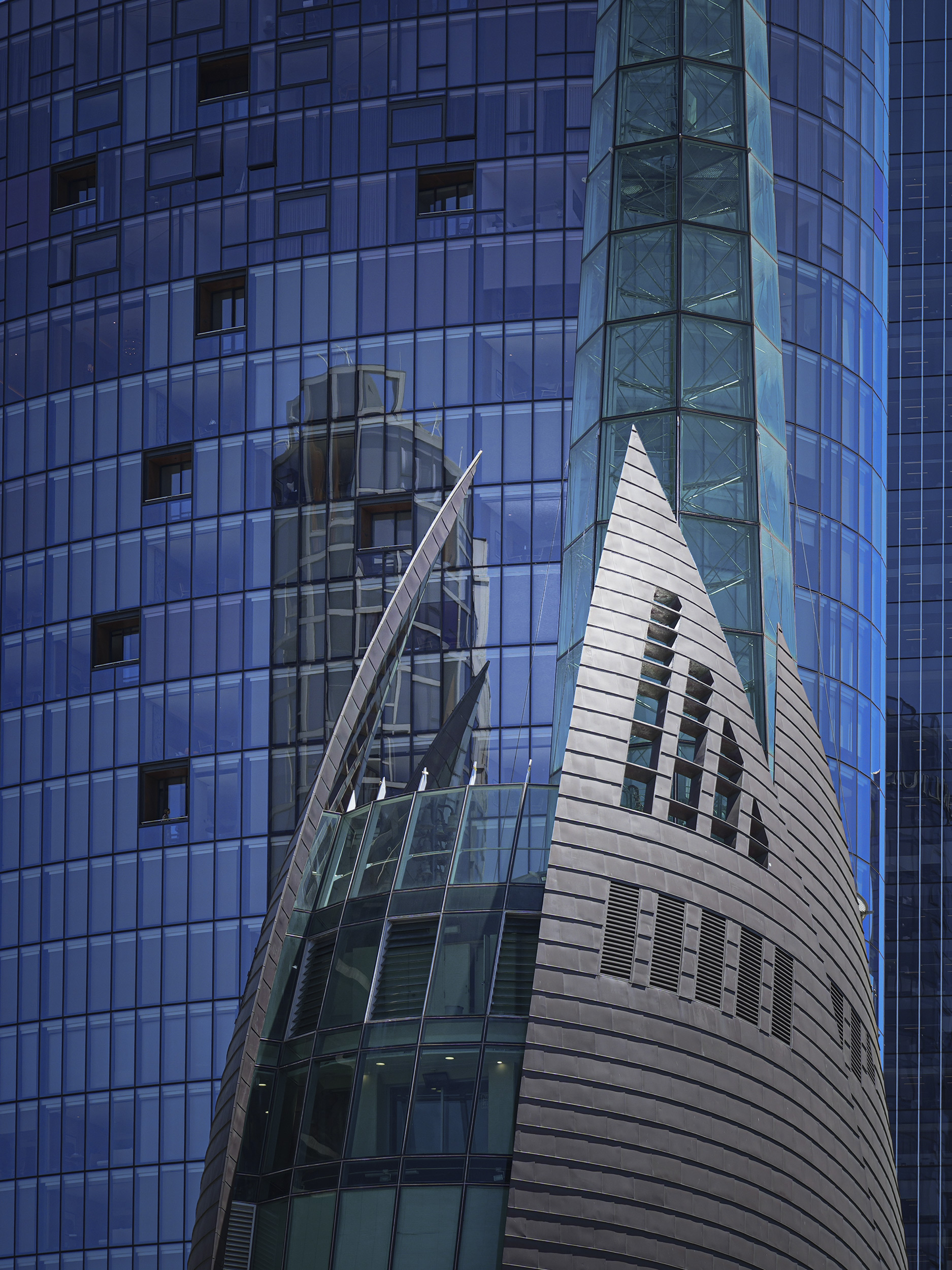 © Terry Donnelly | Sony α7C II + FE 20-70mm f/4 G | 1/1640s @ f/4.0, ISO 125
But that’s not the only pleasure of down-time photography for Terry. “It's surprising how many people strike up conversations when you’re taking pictures,” he continues. “I met people from Malaysia, China, and even Blackburn back home in the northwest of England, all sharing their love of photography. A lot of the enjoyment I felt and the interactions I had came from the kit I took with me, which was a change from my usual gear.”
Down under, Terry used the Sony Alpha 7C II, FE 20-70mm f/4 G and FE 70-200mm f/4 Macro G OSS II lenses. As a regular user of Sony’s pro-level Alpha 1 and Alpha 9 bodies, and G Master lenses, why did it tick all the boxes for him?
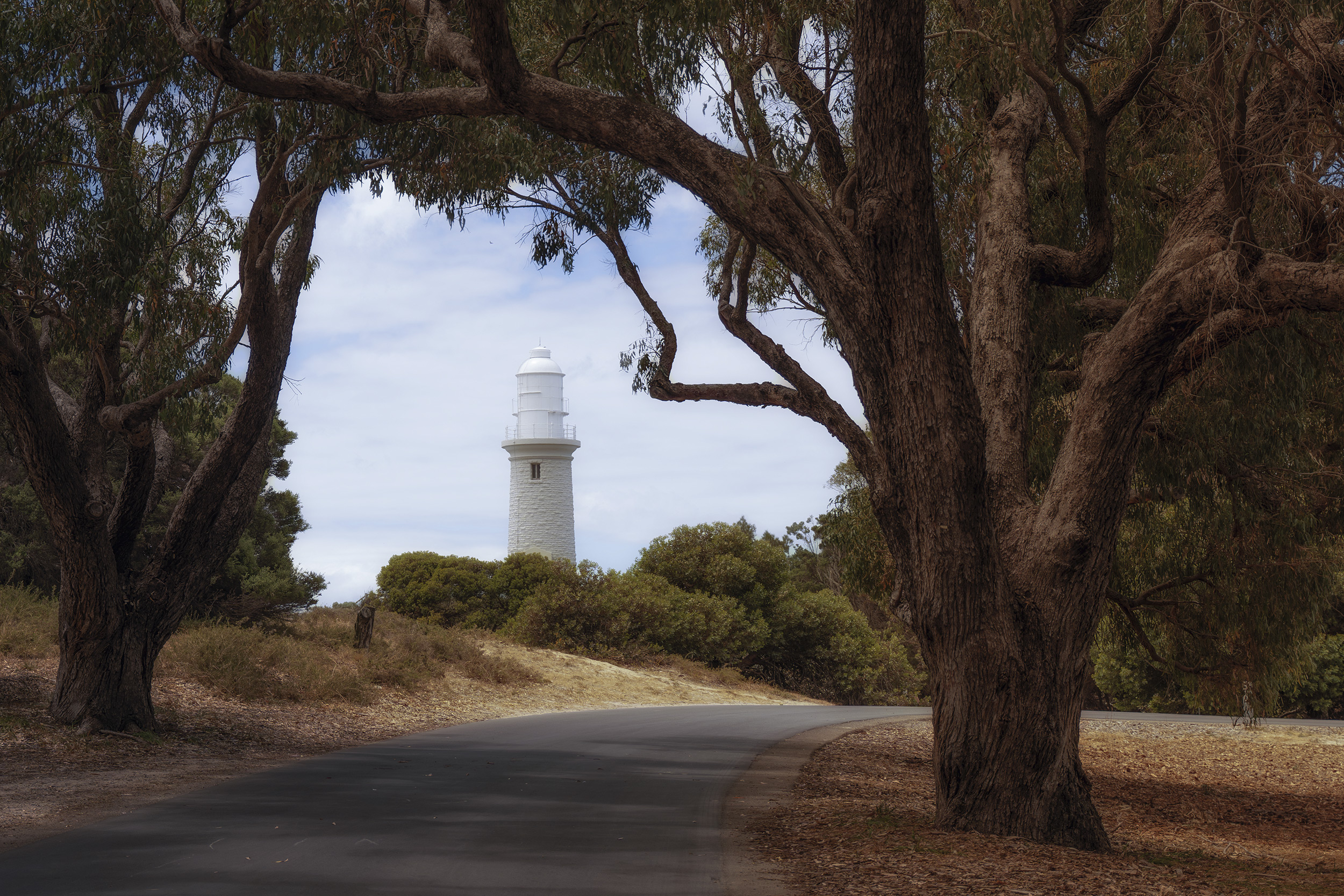 © Terry Donnelly | Sony α7C II + FE 20-70mm f/4 G | 1/2000s @ f/4.0, ISO 100
“What I’m really talking about here is a feeling of lightness,” he explains. “Lightness in a literal sense, because this gear is highly portable, but also in the way that it made me feel on that trip. Honestly, using the Alpha 7C II and these lenses was liberating, like a photographic holiday in itself.”
“Most of what I did was unplanned,” he continues, “something which that combination of body and lenses is perfect for. But I did make one trip to the famous Blue Boat House in Perth, after previously seeing it online. The FE 20-70mm f/4 G lens offers an unusually wide view for a standard zoom, so it’s like having two lenses in one. I used a 30-second exposure to smooth out the water and clouds, and a balanced central composition to echo the calm tonality.”
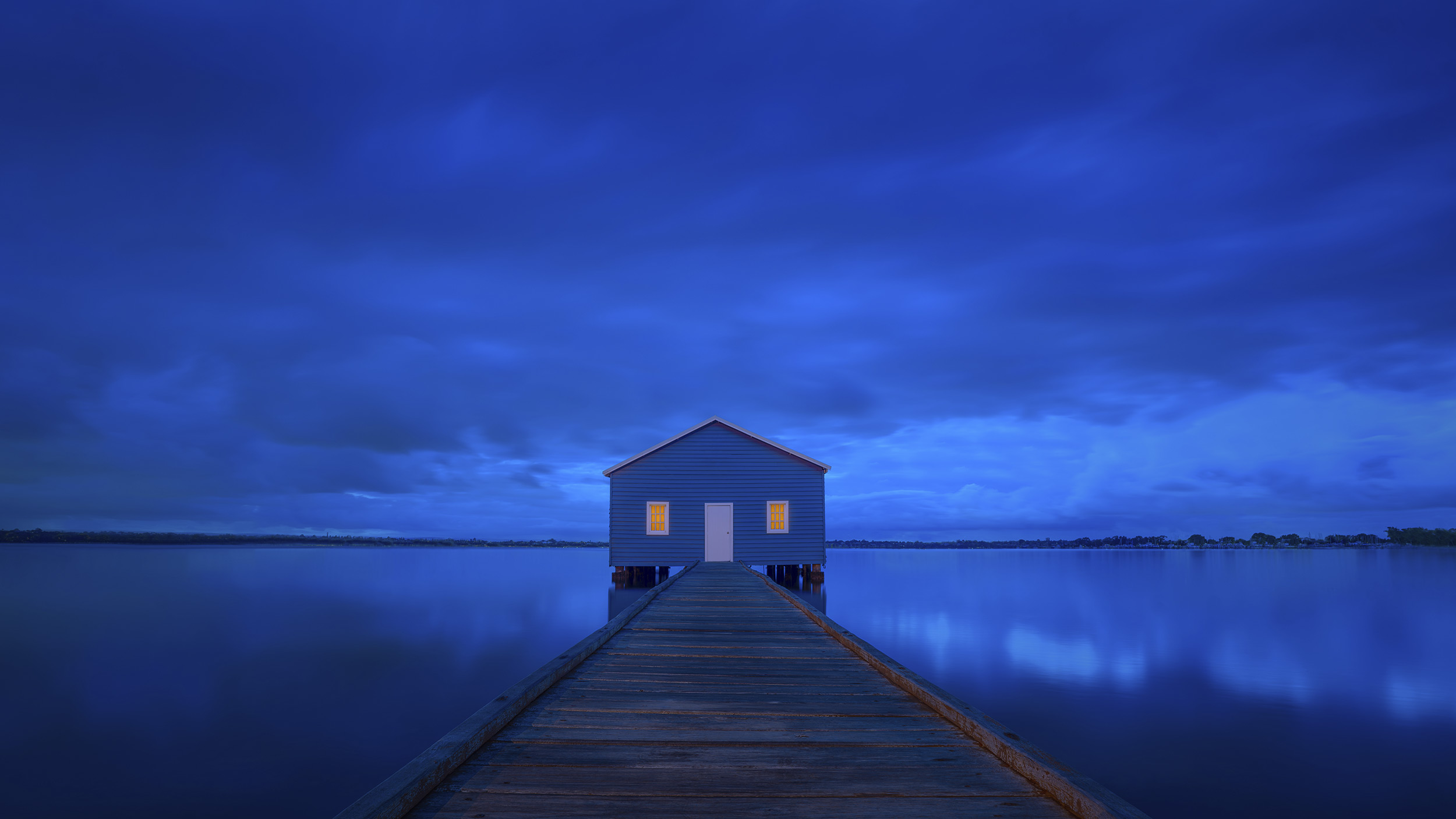 © Terry Donnelly | Sony α7C II + FE 20-70mm f/4 G | 30s @ f/8.0, ISO 100
Another trip also proved the power of the lens. “Top of my list was to try and photograph some of the amazing Australian wildlife,” he recalls, “and on Rottnest Island I had the chance to shoot the Quokka, known as ‘the happiest animal on Earth,’ thanks to its cute, funny expressions. With some patience, one came close. I got down low and shot from its eye level, and at 70mm with the lens’s maximum f/4, the image was beautifully sharp, rendering a smooth background and great separation.”
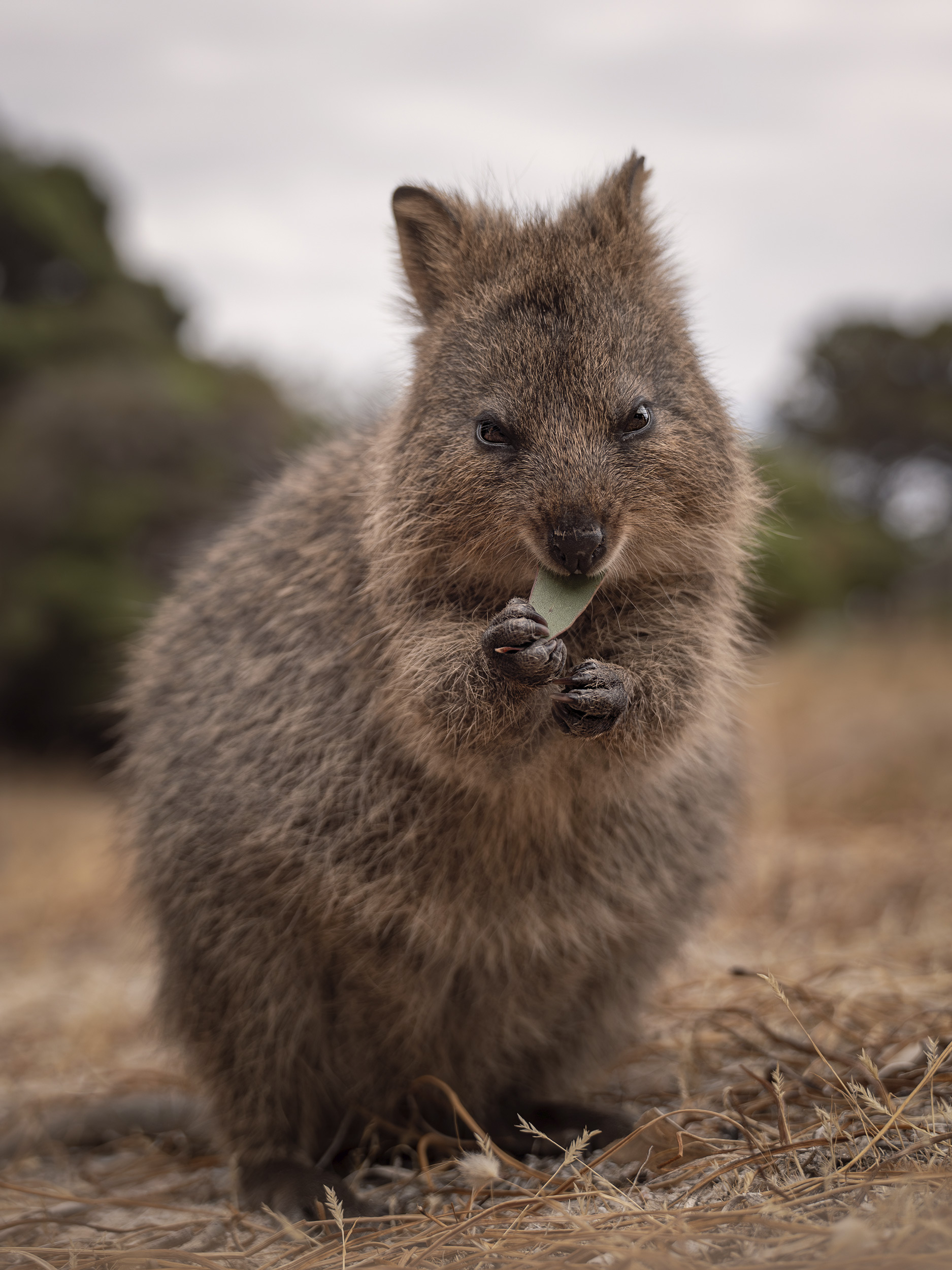 © Terry Donnelly | Sony α7C II + FE 20-70mm f/4 G | 1/1250s @ f/4.0, ISO 200
As for the Alpha 7C II, Terry noted how, despite being a small, light camera it provided many of the features – and all the quality – he’s used to from the Alpha 1 and Alpha 9. “It’s like having a full-frame chip in a crop-sensor body,” he enthuses, “and even though the form factor is different, it didn’t take me any time at all to get up to speed. I’m used to a central EVF and wasn’t sure I’d warm to the Alpha 7C II’s viewfinder on the left of the body, but it was very comfortable to use.”
Elsewhere, the fact that the Alpha 7C II uses the same menus as the Alpha 1 and has familiar manual inputs meant Terry could get shooting straight away.
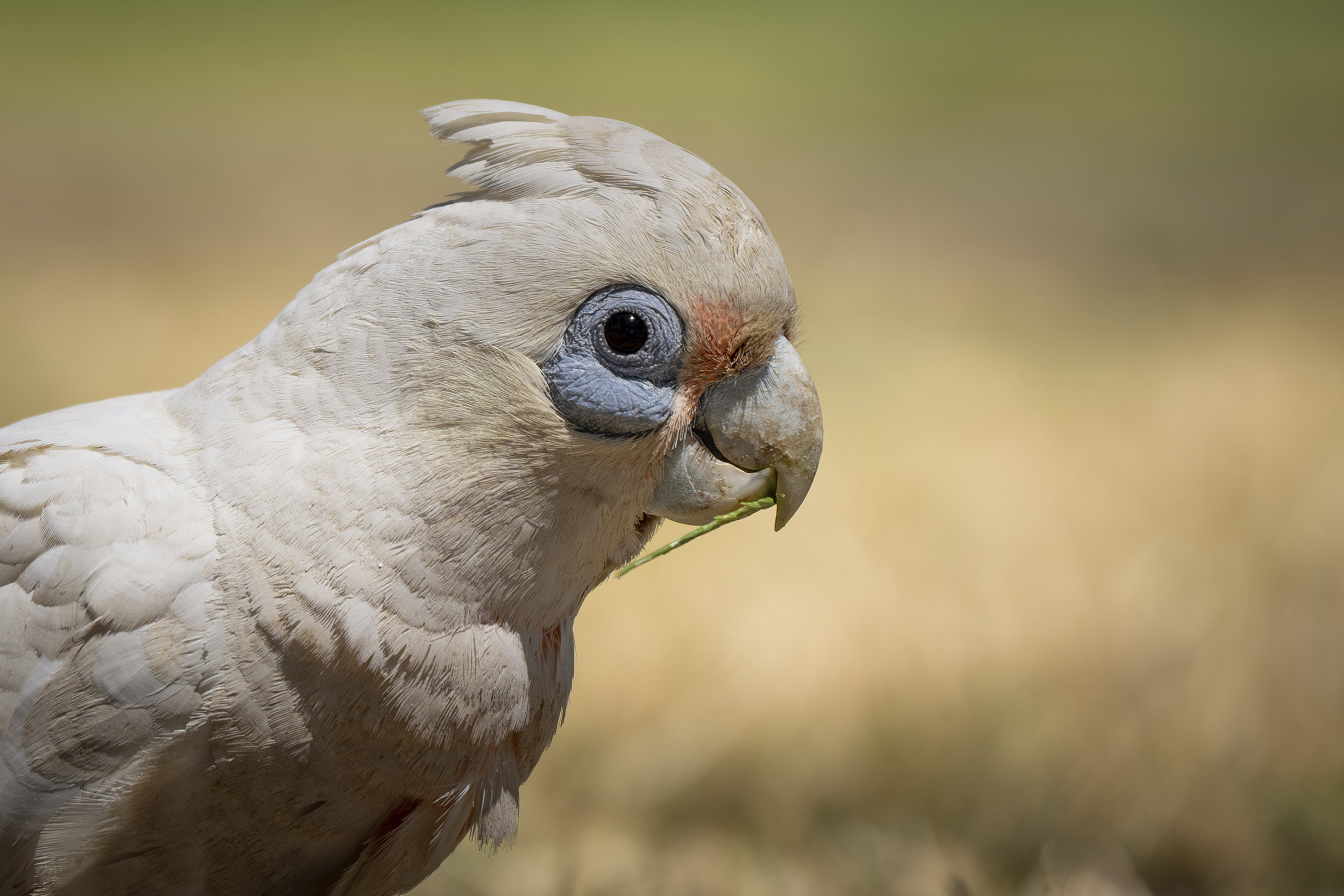 © Terry Donnelly | Sony α7C II + FE 70-200mm f/4 Macro G OSS II | 1/4000s @ f/4.0, ISO 500
“Also sharing tech from current cameras like the Alpha 7 IV and Alpha 7R V, like AI-driven subject-recognition autofocus and seven-stop IBIS, it’s an incredibly capable model,” Terry admits. “And the 33Mp sensor gives bags of detail, even in low light. That’s one of the reasons I chose it. It’s full-frame image quality in the smallest form factor you can get. I took everything in a small bag as carry-on luggage. You don’t even need a charger because the Alpha 7C II powers from USB.”
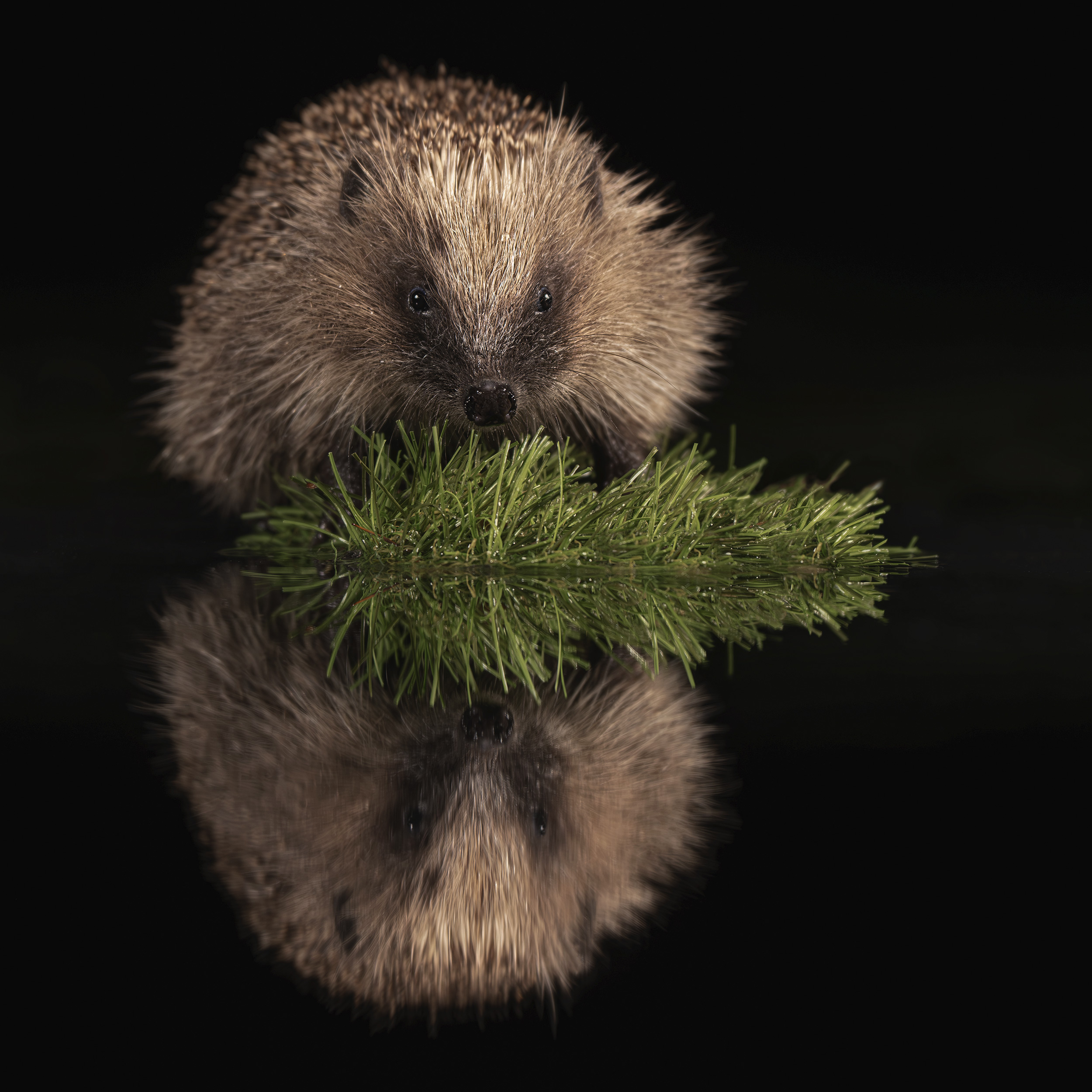 © Terry Donnelly | Sony α7C II + FE 70-200mm f/4 Macro G OSS II | 1/320s @ f/4.0, ISO 1250
“If I made the trip again, would I take that camera and those lenses again? Definitely!” he finishes. “If equipment is too heavy, it’s less likely to be used, especially in the 40º heat we had. But I had top-level features, full-frame quality and 20-200mm in focal range, all in a lightweight kit. These cameras and lenses let nothing get in the way. You just unplug and feel the joy of taking pictures. It’s liberating, and that’s exactly how a small camera should be.”
Featured products


Terry Donnelly | UK
"Although I shoot different genres of photography I find a cross over of skill set between them which makes my work stronger"


