
Life on the Street
Richard Kalvar
What makes a great street photography camera? Unsurprisingly, many of the ingredients are the same as those which go into making a great street photographer. Both must be agile, responsive, creatively uninhibited and able to work anywhere the thrill of documenting human life takes them.
Having spent 60 years building a portfolio of images that skilfully blend expert timing and humour, the celebrated Magnum photographer Richard Kalvar certainly ticks all the boxes for the latter, but how does he rate the new Sony RX1R III?
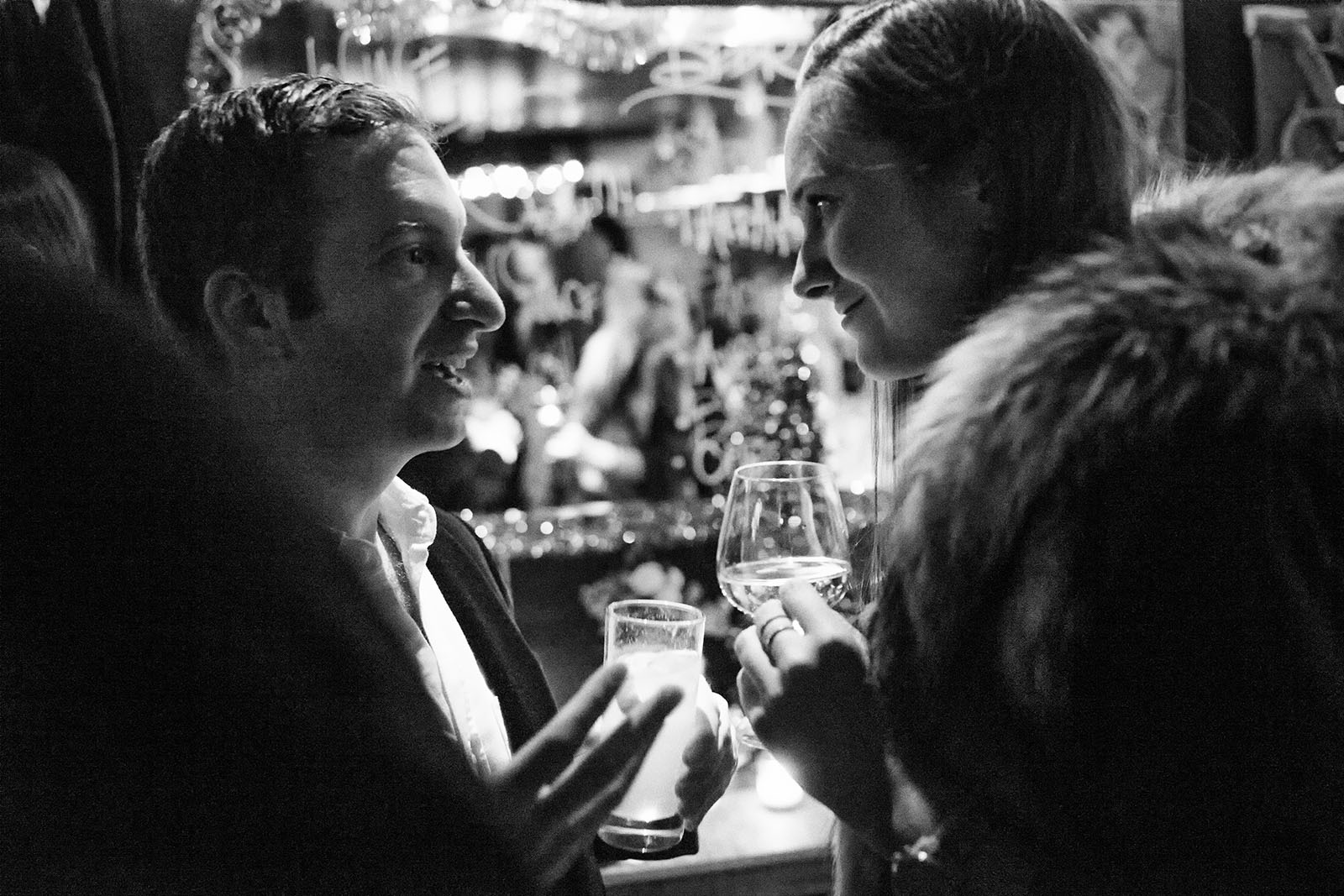 © Richard Kalvar | Sony RX1 | 1/50s @ f/2.2, ISO 25600
Shooting extensively with the original RX1 in 2014 and 2015, Richard has fond memories of how it fitted in with his style. “Basically, I photograph people in a reportage style,” he begins. “A decade ago, the Sony RX1R proved a surprisingly capable camera for that. I’d long used a rangefinder, but when I tried to upgrade to a full-frame digital version, it was a disappointment. The RX1R certainly wasn’t.”
“Being such a compact camera, I thought it was a toy at first,” he continues, “but I quickly realised it was a serious tool. The digital rangefinder had been so slow and disappointing that it put my photography in a bit of a dry period. But suddenly, with the RX1, I was back to taking pictures in a spontaneous way. I used it for about two years and it was my main non-reflex camera.”
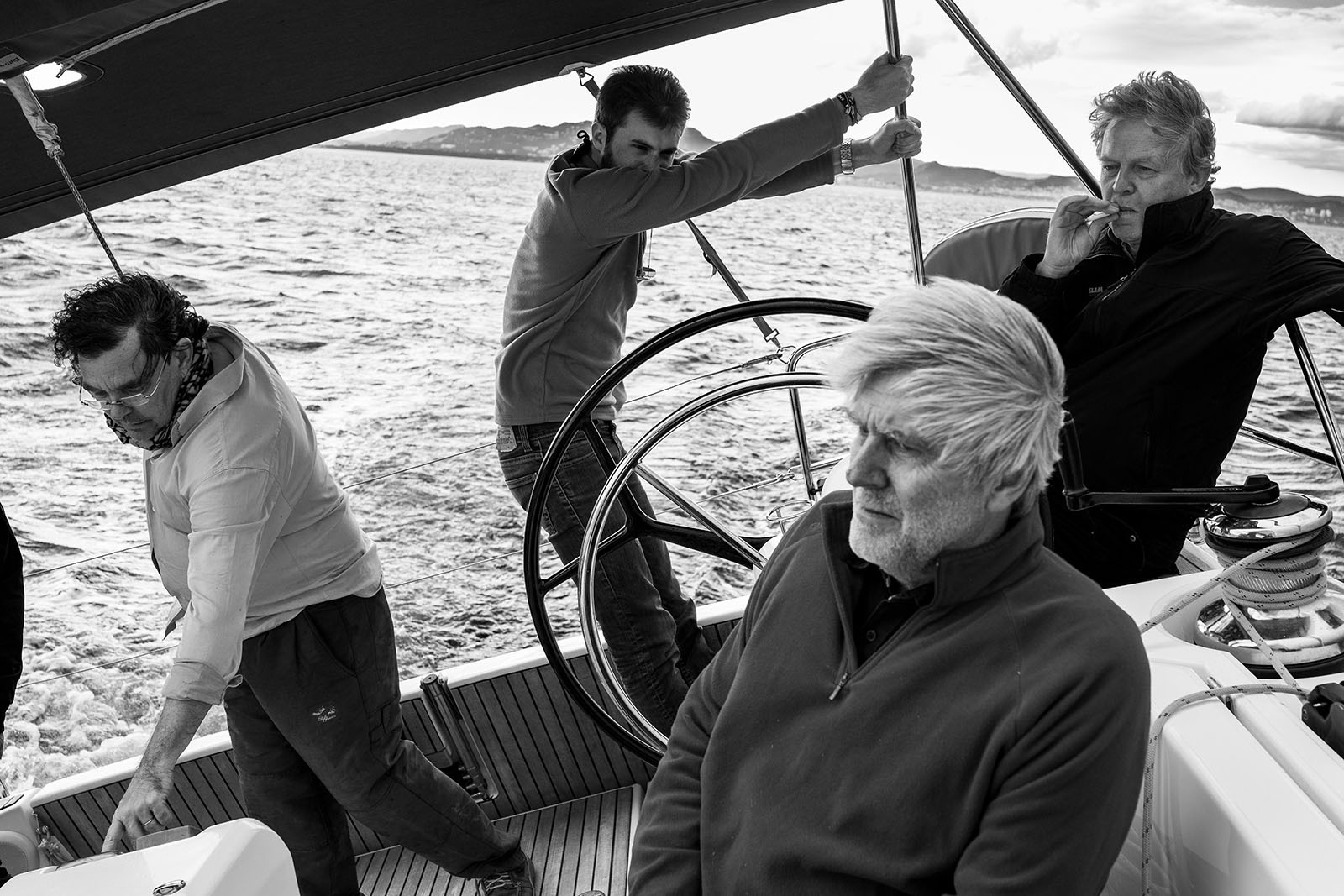 © Richard Kalvar | Sony RX1 | 1/250s @ f/5.6, ISO 640
In 2014, Richard walked the lively beaches and sea fronts of the Ïle de Ré, France with the RX1, as well as the streets of neighbouring La Rochelle, building a textured portrait of coastal life. In 2025 he did the same, this time with the RX1R III, his distinctive monochrome approach bridging the decade along with the locations.
“For this kind of personal work, I mostly use black & white,” he explains. “I have a life’s work, so I don’t like to mix things up, and black & white suits the world that I’m trying to ‘create.’ These are pictures where there’s some illusion or tension in what you’re seeing. Everything is not as it seems. Without the extraneous elements of colour, you can see these relationships and meanings more clearly.”
“At the Ïle de Ré and La Rochelle, there was still all the vibrancy I remembered,” Richard says, “people vacationing and working, eating ice cream and dancing. In recording these situations, the central appeal of the RX1R III stays true, but of course it’s improved in many ways.”
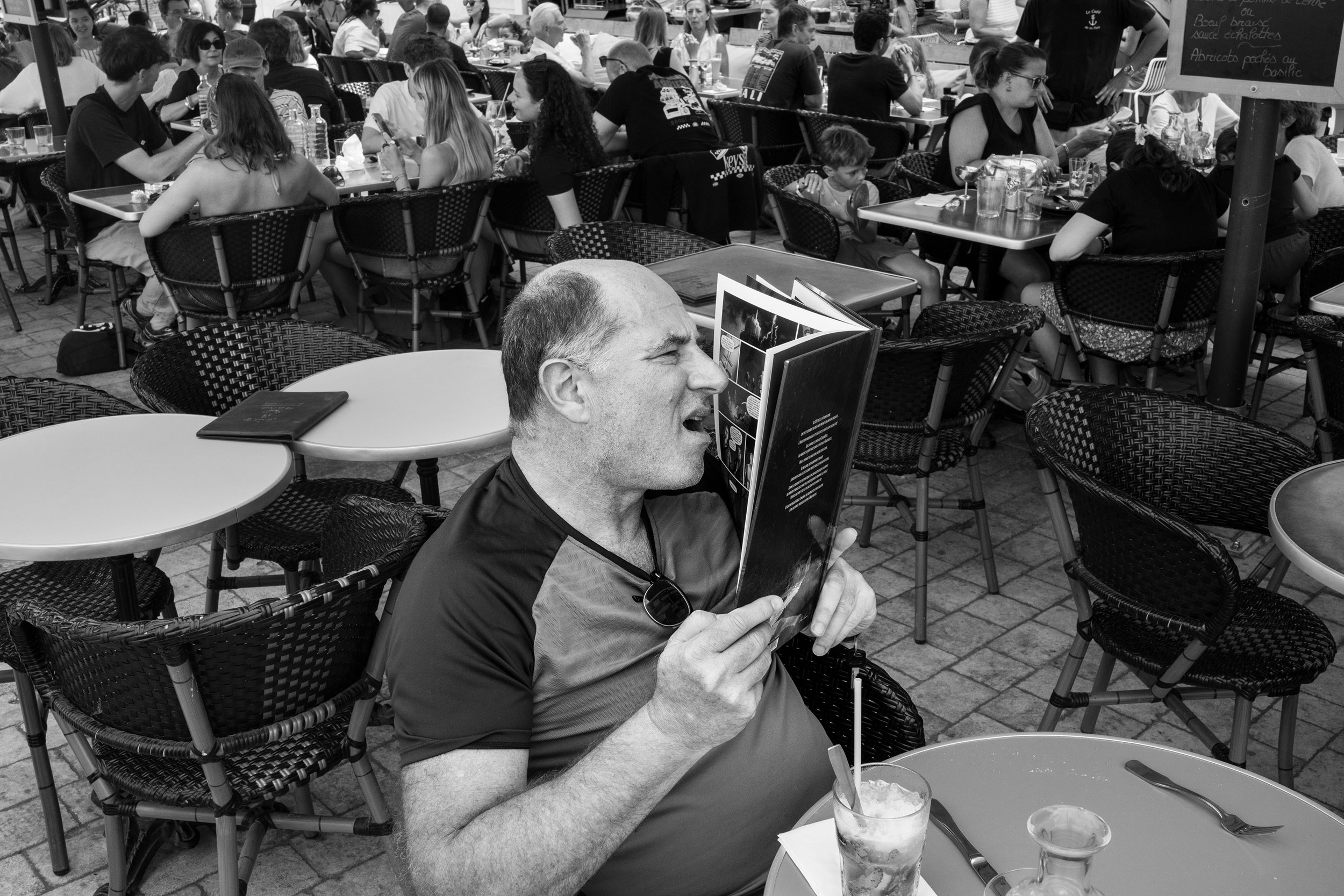 © Richard Kalvar | Sony RX1R III | 1/250s @ f/14, ISO 1000
“One of the main benefits is the camera’s style and size,” he continues. “First, it’s a camera that you don’t hesitate to grab and take with you, which is the difference between seeing an opportunity and getting a picture – and the opposite. I always like to have a camera with me for exactly that reason. “
“It’s fair to say that smaller cameras can create better interactions, too,” he continues. “They’re less intimidating and more discrete, so with the RX1R III, I could get closer and make pictures feel more intimate, more connected.”
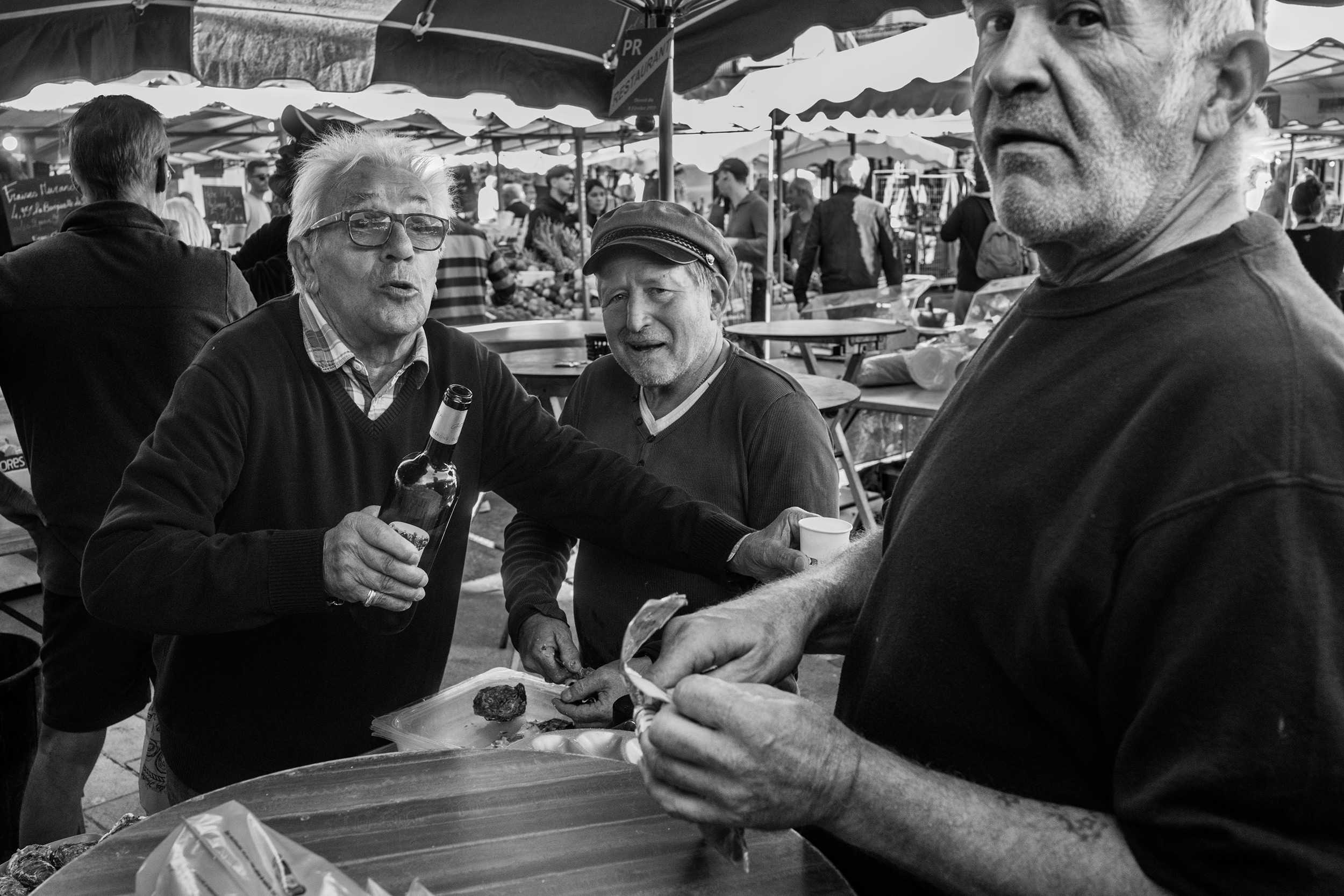 © Richard Kalvar | Sony RX1R III | 1/250s @ f/7.1, ISO 2000
The ability to get close is also important to Richard because of the focal length he prefers. “For street images, some people like 50mm or 28mm, but I’m a 35mm guy. It’s my natural focal length and part of my language as a photographer. The RX1R III’s fixed Zeiss 35mm f/2 Sonnar T* lens is wide enough to add context, but within the limits of looking normal. You need to be close to fill the frame, though. It’s an interesting adventure, and it can be difficult, but it’s something this camera makes easier in no small part because its shutter is so quiet.”
 © Richard Kalvar | Sony RX1R III | 1/320s @ f/14, ISO 160
Richard also appreciates the RX1R III’s 61MP full-frame sensor, an upgrade on the original, which produces tremendous detail. “Who wouldn’t want a full-frame sensor if they could have one in a body this size? With the new model, there are 50mm and 70mm crop modes if I need them, and the latter is still 18Mp, which is plenty.”
“The ISO performance and autofocus are also amazing,” he continues. “We used to worry about going above 800 or 1600, but today I can really push things. No worrying about shake at 1/8sec and f/2, I can be at 1/60sec at f/4 or f/5.6, even in near darkness. And in those same conditions I can follow subjects moving through the frame with the subject-tracking AF.”
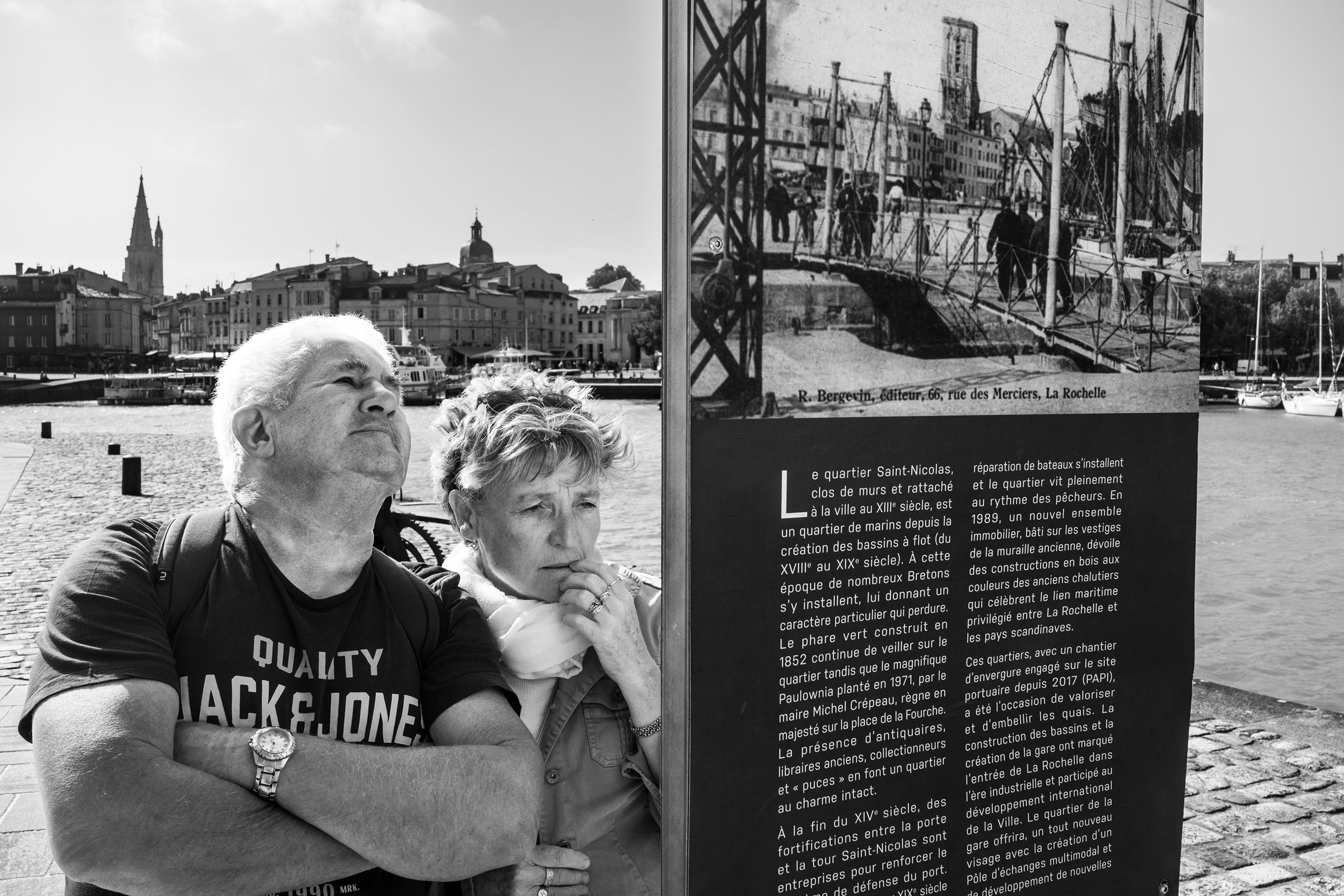 © Richard Kalvar | Sony RX1R III | 1/250s @ f/14, ISO 400
“I feel very positive about this camera,” Richard finishes. “I want to be able to work quickly at high quality, and it lets me do all that, but the RX1 series also frees up my picture taking. I remember taking the original to the beach and being inspired to shoot the patterns in the sand, the light, and the waves. It was very unusual for me. Being inspired is always welcome and I expect that to continue with the RX1R III.”


