
Shooting for National Geographic
Davide Monteleone
With its stark volcanic peaks, deserted black sand beaches and plunging waterfalls, Iceland is a dream location for many photographers. But on a particularly cold and bleak day, with his camera trained on an anonymous aluminium igloo set in the Nesjavellir lava fields near Reykjavik, Davide Monteleone was on a mission to make an image that would pique readers’ interest and have them wanting to know more.
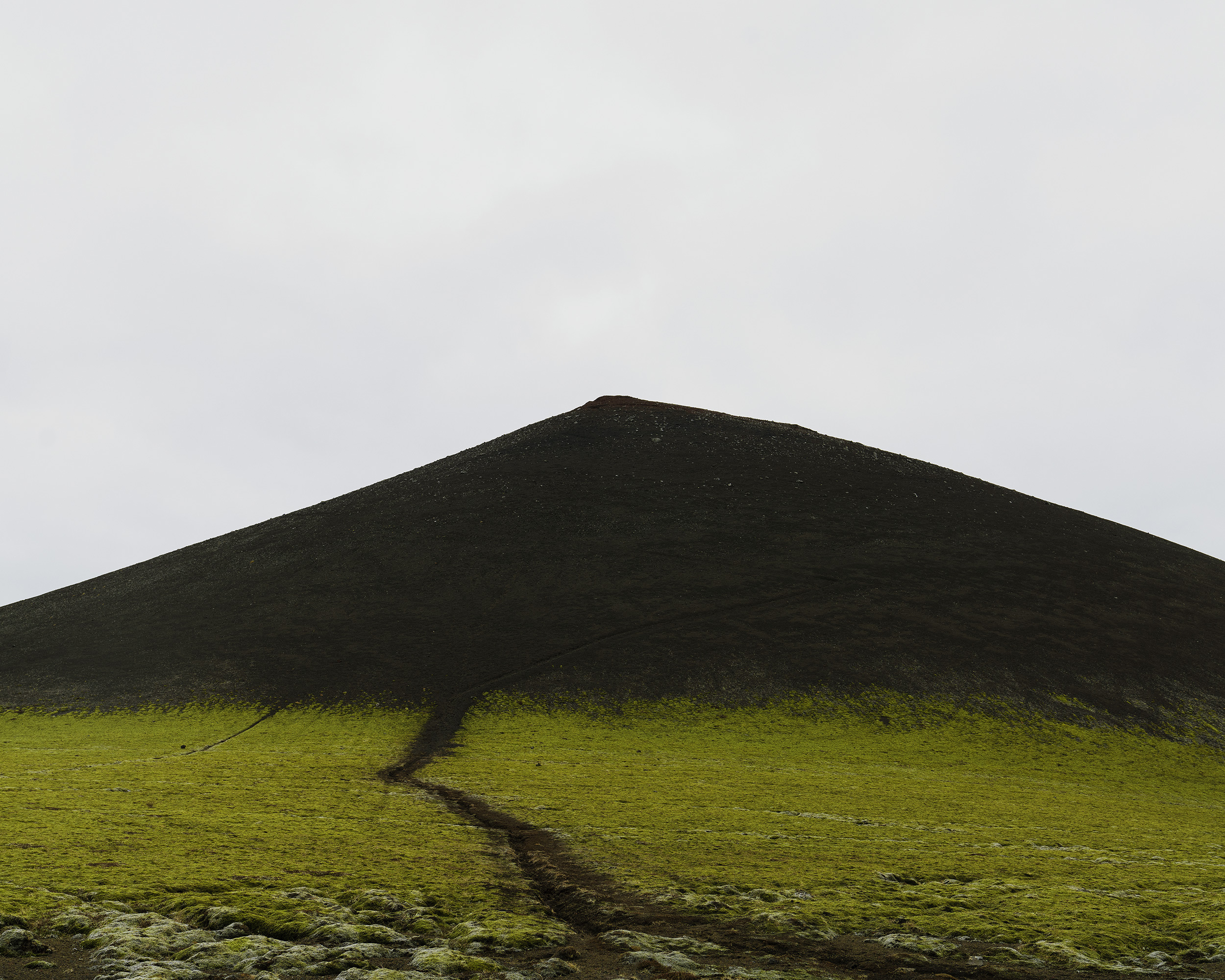 © Davide Monteleone | Sony α7R IV + FE 24-70mm f/2.8 GM | 1/125s @ f/6.3, ISO 100
The subject – the burgeoning technologies of carbon capture – is supremely important on a geopolitical scale, and “the process of decarbonising really has to be treated as crucially as conflict,” Davide explains. “We created this problem and now we need to engineer our way out of it. These machines are the weapons that humanity is building to save us.”
The reality of photographing these technologies, however, is often problematic. “The issue for me was how to illustrate a story about something that you cannot even see. We’d gone to document this carbon capture system, and like most of these technologies, there’s very little appeal, visually – even if its potential is incredibly important. So, it has to be about the scientists and their vital creations that are trying to capture the carbon dioxide from the air and store it underground or reduce it through projects in the sea.”
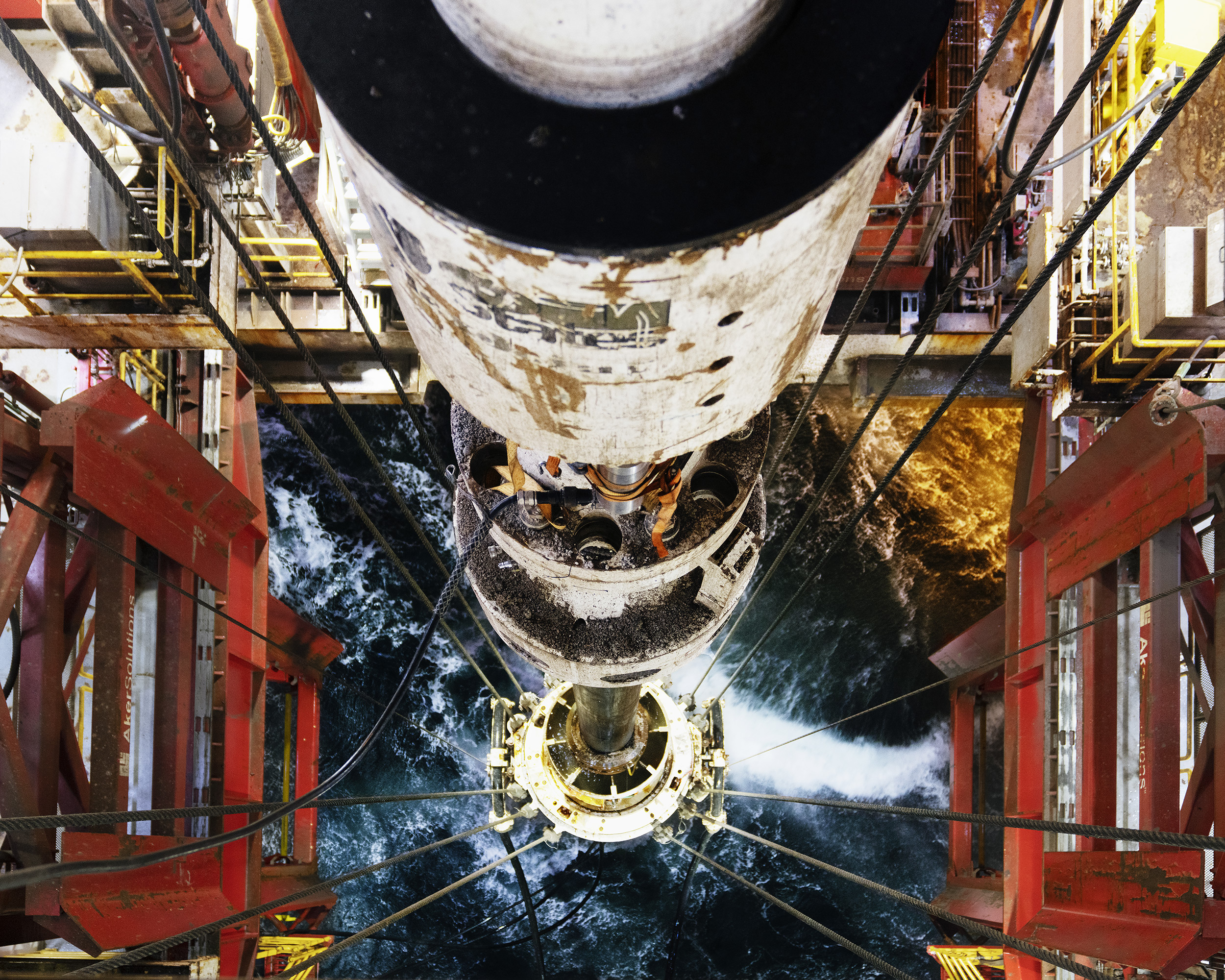 © Davide Monteleone | Sony α7R IV + FE 24-70mm f/2.8 GM | 1/60s @ f/2.8, ISO 1600
For the article, he visited nine of these carbon capture sites around Europe and the rest of the world over the course of eight months and spent anything from a few days to several weeks on location at each. “There is a lot of research that goes into the shooting of these articles, and the photographer is very much involved with the editorial teams in terms of planning and decisions,” Davide explains. “So, while a project of this size and gravity can make you feel anxious, the level of involvement and investment I have in it counters any nerves.”
Despite these difficulties, after an exhausting 12 hours at Nesjavellir, he had an image fit to grace the cover of the November 2023 edition of National Geographic.
 © Davide Monteleone
Davide tackled the project with a large format camera, a drone and his Sony Alpha 7R IV, a model he describes as “incredibly efficient, because it does everything I need it to in a quick and easy way. The process of working with these small, light full-frame mirrorless cameras reminds me of the way that the first 35mm film cameras revolutionised documentary work in the mid-20th century. Plus, with 60 megapixels its quality can compete with cameras that are much larger and more expensive.”
“For long days in tough conditions, it’s also a great performer, and I can rely on it to shoot over a thousand photos on a single battery while standing up to the chill of Iceland or the humidity of the Democratic Republic of Congo,” says Davide.
Recalling the creativity needed to overcome what on the surface would be considered “pretty ugly and boring”, Davide explained that unlike conflicts zones, which are highly reactive, projects such as these require patience and inspiration.
 © Davide Monteleone | Sony α7R IV + FE 16-35mm f/2.8 GM | 1/125s @ f/13, ISO 100
“So, with my team, I started to work through the problem, applying different ideas and seeing what worked” he continues, “like, could we change the perspective of the shot, so it tells the story better, take some cues from industrial photography, light it creatively, or shoot at a different time of day? For the igloo, we ended up shooting at night and lighting it with a moving drone.” Davide also hoped the Northern Lights would appear, but as the Icelanders often warn, when you speak of them, they don’t come out!
 © Davide Monteleone | Sony α7R IV + FE 90mm f/2.8 Macro G OSS | 2s @ f/22, ISO 100
“I think we did a good job in the end,” he considers, “after all, it was chosen as the cover of the magazine. It’s a photo that’s appealing but raises some questions: you want to know what the igloo is and what it’s doing. It’s attractive in a futuristic sort of way, but the somewhat alien landscape of the lava field is also a little foreboding, too. It speaks to the promise, but also the challenges ahead, and what might face us if we don’t meet them.”
In this way, Davide sees himself as a translator. “The photograph itself doesn't explain anything, but if it makes someone read about carbon capture, then it’s fulfilled its role. The documentary photographer’s role is not to resolve the problem, but to trigger curiosity in others to do so.”
This hasn't changed much throughout history, Davide says, likening his role to those who documented the industrial revolution, such as the photographer Lewis Hine. “Our task is to highlight a new industrial revolution and portray these stories of energy transformation. We're moving from fossil fuel to green energy, and though it won’t solve the world’s climate problems on its own, the process of carbon capture is an important part of that. Photography in this realm is also improving, where five years ago stock imagery dominated technological change, there’s a lot more creative and considered work being done now.”
Like many photographers, Davide often works in a more hybrid style, so having the option to shoot video for the National Geographic article on his Sony Alpha 7R IV was a vital component, too. “I like to pitch stories that include videos, because they're very efficient in terms of narrative, and storytelling. Especially when subjects are quite static, as on this project, the movement and sound of video can be more compelling.”
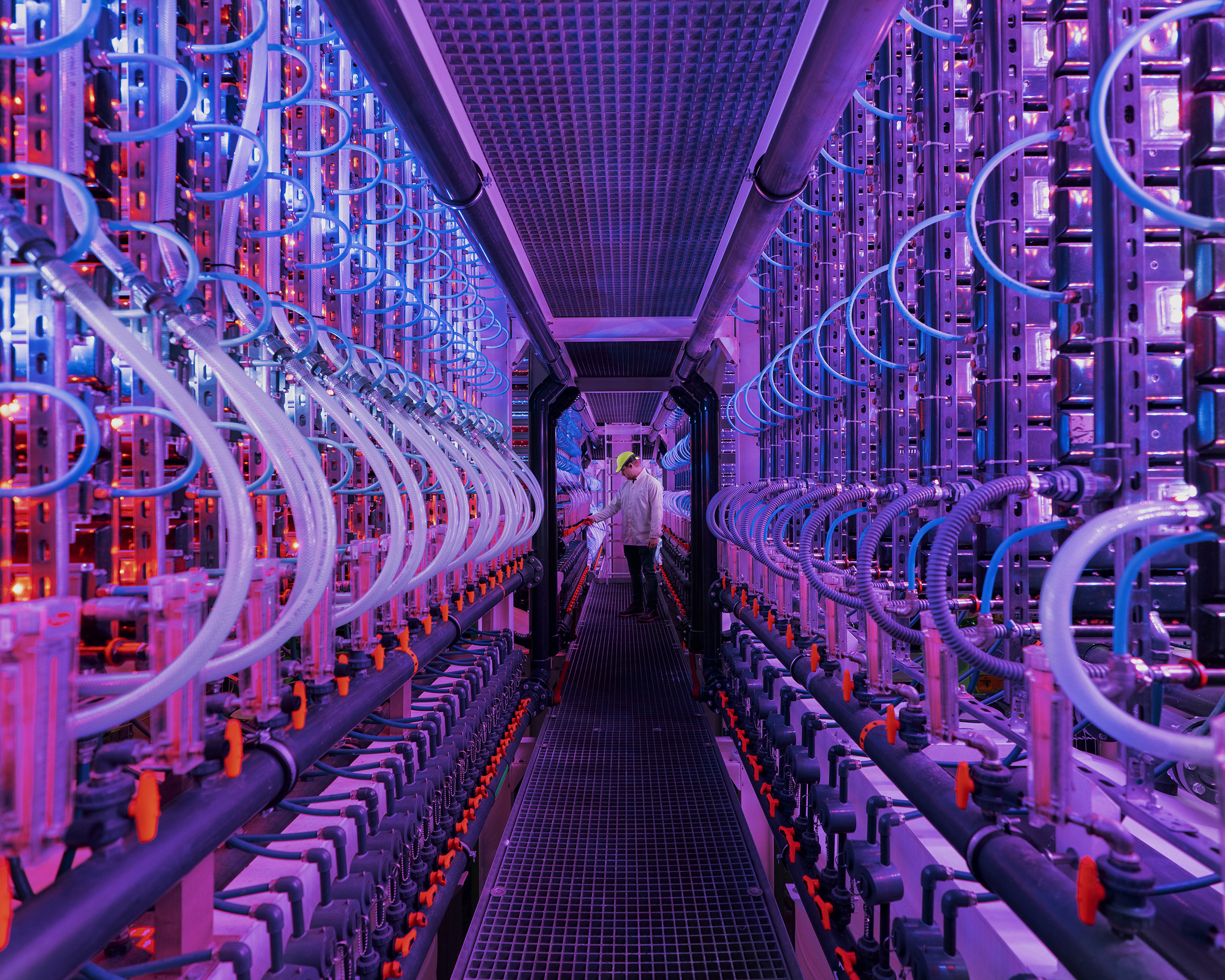 © Davide Monteleone | Sony α7R IV + FE 16-35mm f/2.8 GM | 1/250s @ f/3.2, ISO 200
While the story of carbon capture and climate change is inherently geopolitical, Davide found the human component to be quite uplifting “The scientists are always incredibly passionate about what they're doing, as well as patient and emotional with explaining it,” he finishes, “even if it's niche or complex, or invisible to the rest of us! They know that these things are absolutely crucial in terms of what happens to our planet. And if I can translate the energy of those few people into a message that will reach the many, then I’m very happy to do it.”
Featured products


Davide Monteleone | Italy
"I come from the tradition of documentary photography but my interest is to encourage curiosity rather than deliver information. The best story is not in the picture itself but around and behind it. What you see is in the frame is just an emotional window"


