
The Sony FE 16-35mm f/2.8 GM II - The Sweet Spot for Versatility
Albert Dros
People often ask me what my favourite wide-angle lens is. I always tell them that’s the FE 16-35mm f/2.8 GM II. Over the years I’ve used almost all of Sony’s wide-angle lenses. I find myself currently using the ‘simple’ 16-35mm GM II the most. It just does the job for most of my wide-angle requirements. The original 16-35mm f/2.8 GM was already great, but version 2 steps it up a notch: smaller, lighter, even sharper and a closer focus distance which is important for my kind of wide-angle photography. Now let me make it clear that not all my wide-angle shots are with the 16-35 mmGM II. I also love my FE 12-24mm f/2.8 GM and often bring it when I need an even wider angle of view, specifically with wide angle cityscapes. And the FE 14mm f/1.8 GM is often in my bag when I am doing a lot of astro photography. But if I could only pick one wide-angle, it would absolutely be the 16-35mm GM II. It hits the sweet spot for versatility, weight and quality.
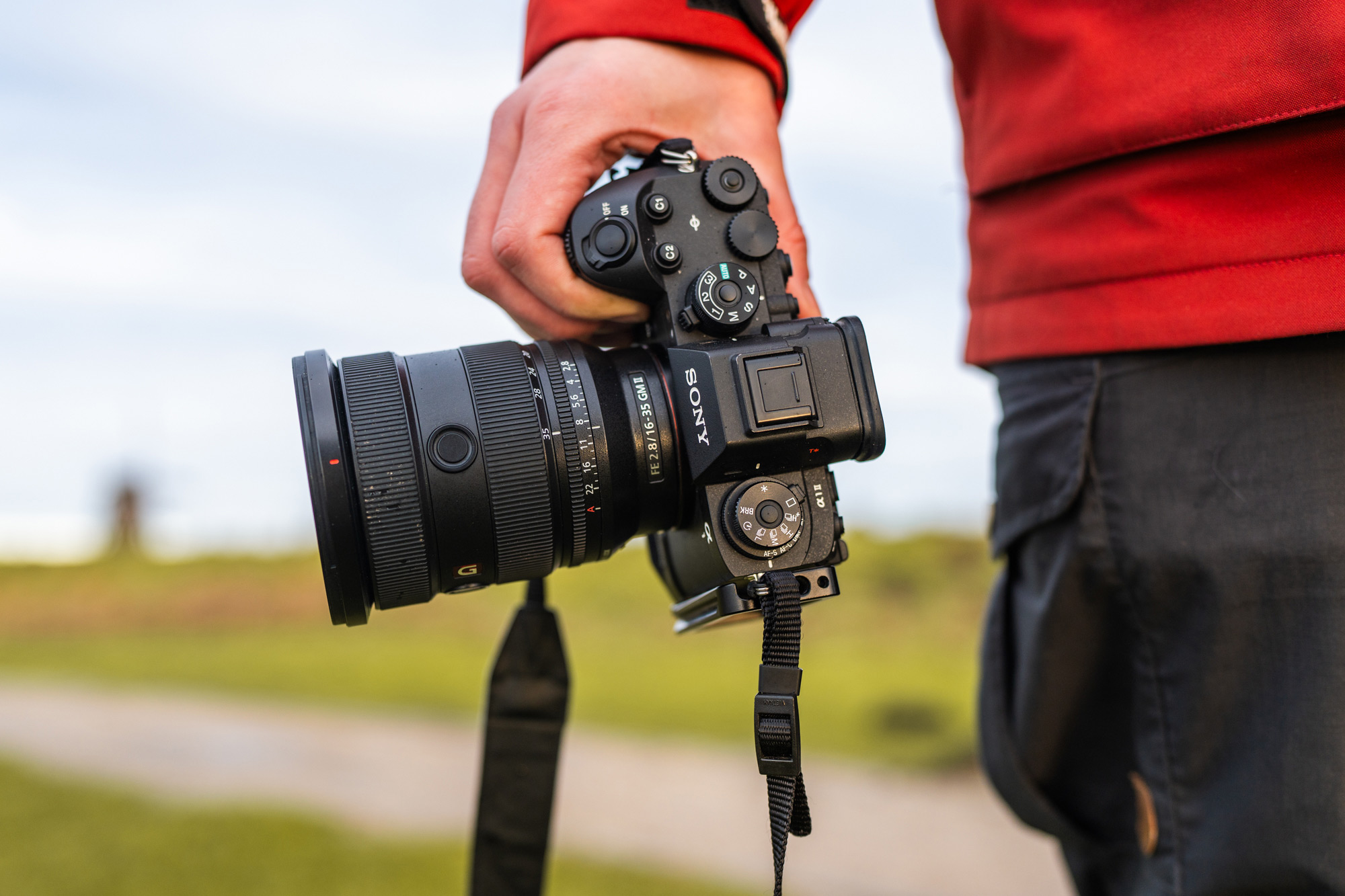 © Albert Dros
I often bring this lens on my travels and have photographed some of my favourite with it of the last few years.
Let me tell you some specific features that I really like about this lens:
Close Focus Distance & Low Amount of Focus Breathing
Like the FE 24-70mm f/2.8 GM II, the 16-35mm GM II also has a very low amount of focus breathing. In fact, it almost has none. This is very unique for a wide-angle lens and no other lens in my arsenal has this specific feature. For my kind of photography, I often get very close to the ground, and close to my foreground subjects. I often incorporate flowers in my foreground which are sometimes very tiny, requiring me to get very close to them to properly use them as a great foreground. The 16-35mm GM II can always get me close enough and allows me to use flowers in creative compositions.
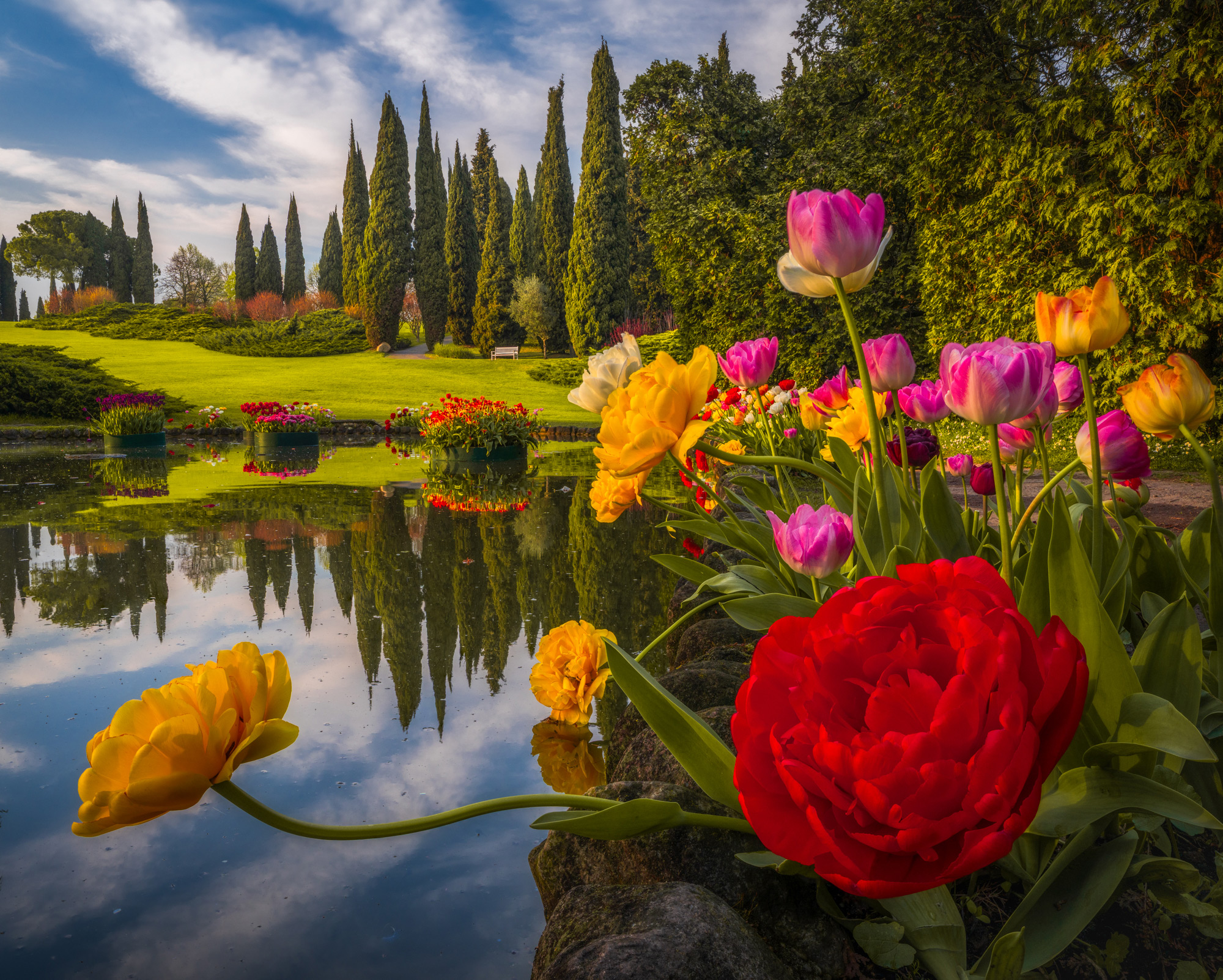 © Albert Dros | Sony α7R V + FE 16-35mm f/2.8 GM II | 1/15s @ f/14, ISO 100
I then often use the focus bracketing technique where my Sony camera takes multiple shots at different focal lengths, which I can later combine to get a shot that is sharp from front to back.
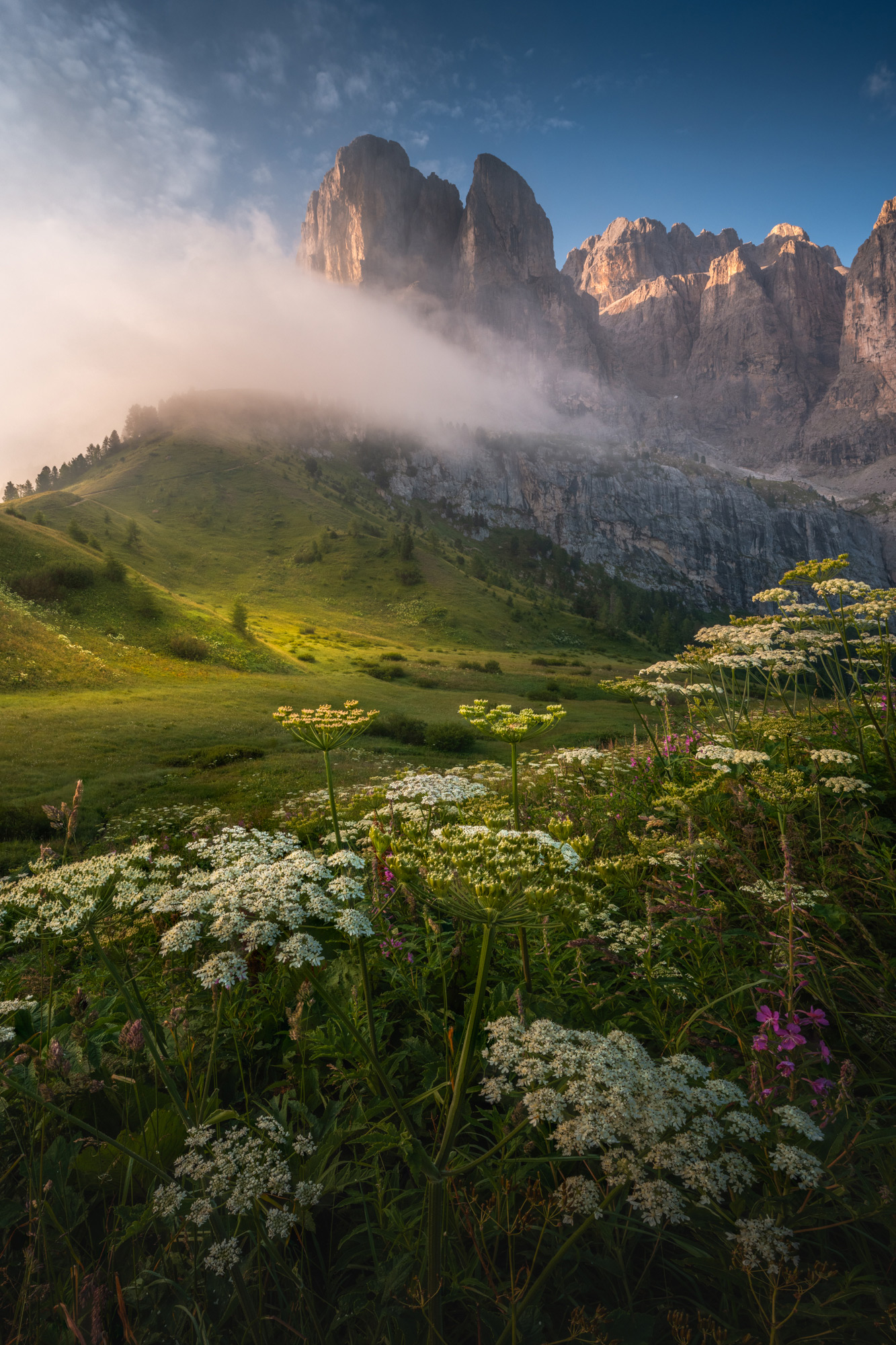 © Albert Dros | Sony α1 II + FE 16-35mm f/2.8 GM II | 1/80s @ f/14, ISO 200
My mushroom photos are done with similar techniques. My mushroom series ‘Mushrooms in their Natural World’ in which I portray mushrooms in combination with their natural environment recently won multiple awards. In this series not only the mushrooms themselves are the main hero, but the trees around them as well. I use creative low angles to achieve this result. The 16-35mm GM II is always my go-to lens for these photos.
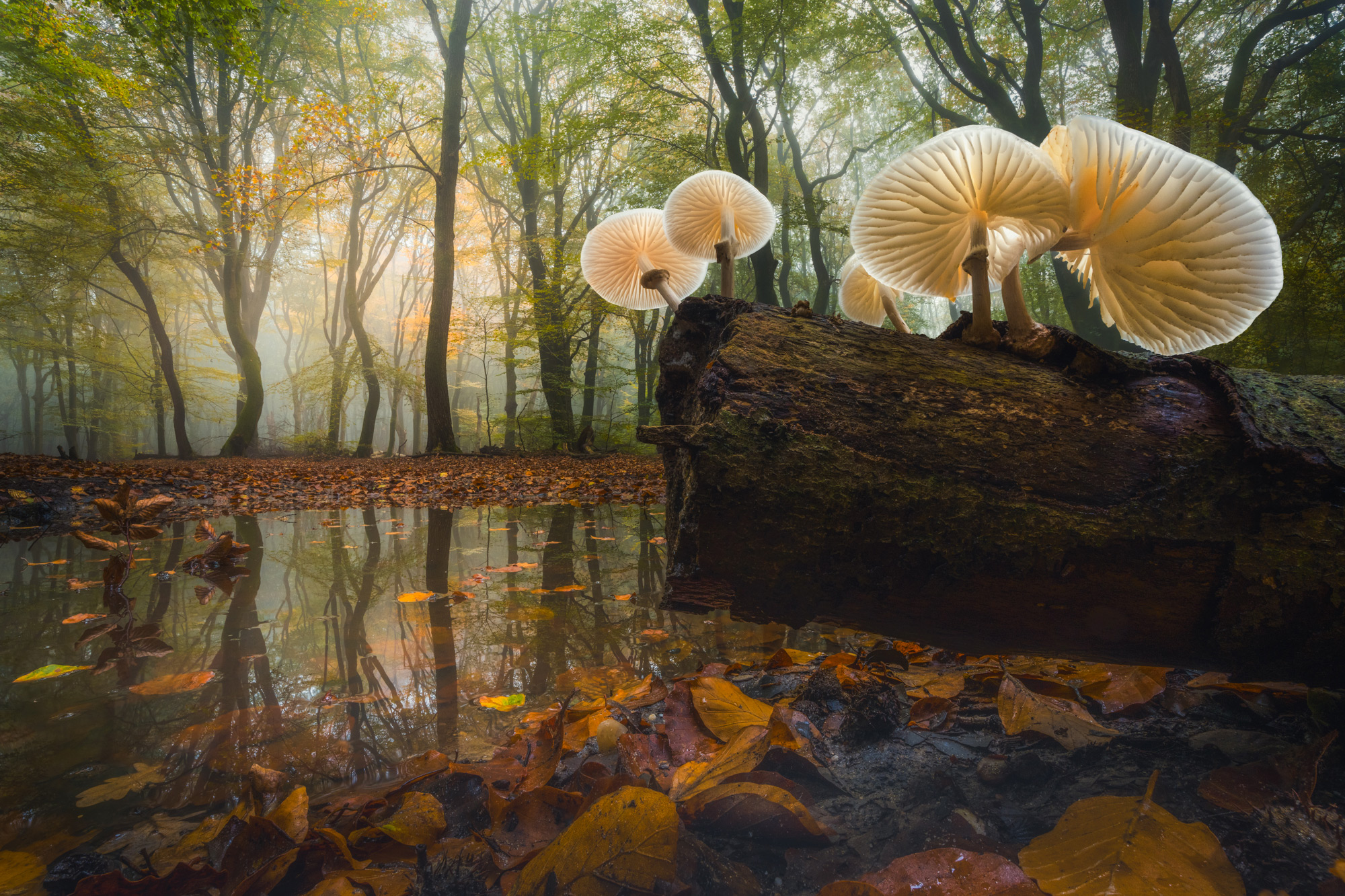 © Albert Dros | Sony α1 II + FE 16-35mm f/2.8 GM II | 1/6s @ f/14, ISO 200
Great sunstars
I often incorporate sunstars in my photos whenever a lens produces a nice ‘star’ around the sun. And the 16-35mm GM II is great for that. It has a nice ‘clean’ sunstar that does not distract from the rest of the images if photographed well. To get the perfect result I frame the sun against an edge of a tree, building or simply the horizon. The trick is to frame it when it’s just touching the edge and using a narrowed down aperture like f/14 or even f/22. This way, the ‘star’ around the sun becomes extremely apparent.
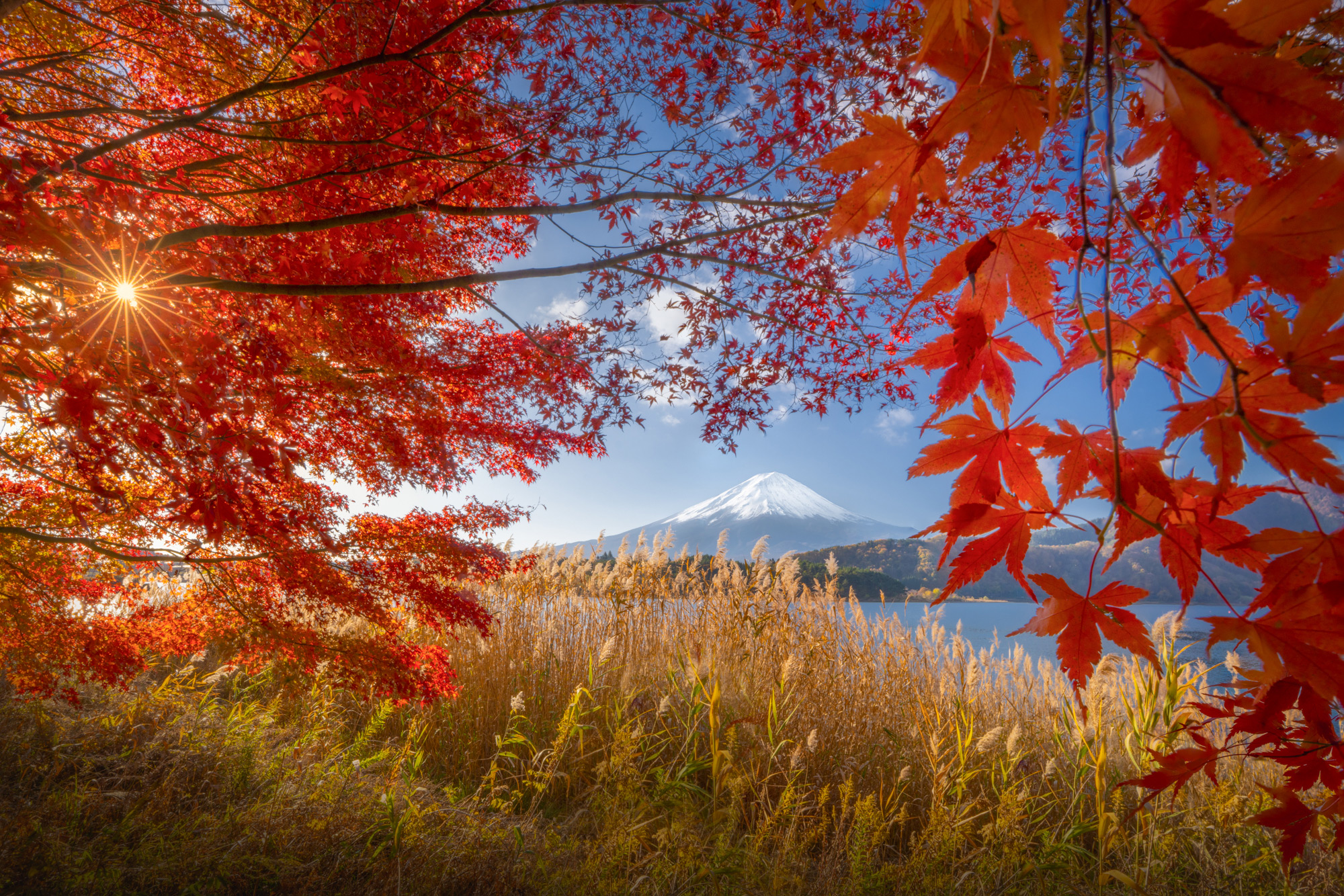 © Albert Dros | Sony α7R V + FE 16-35mm f/2.8 GM II | 1/50s @ f/18, ISO 100
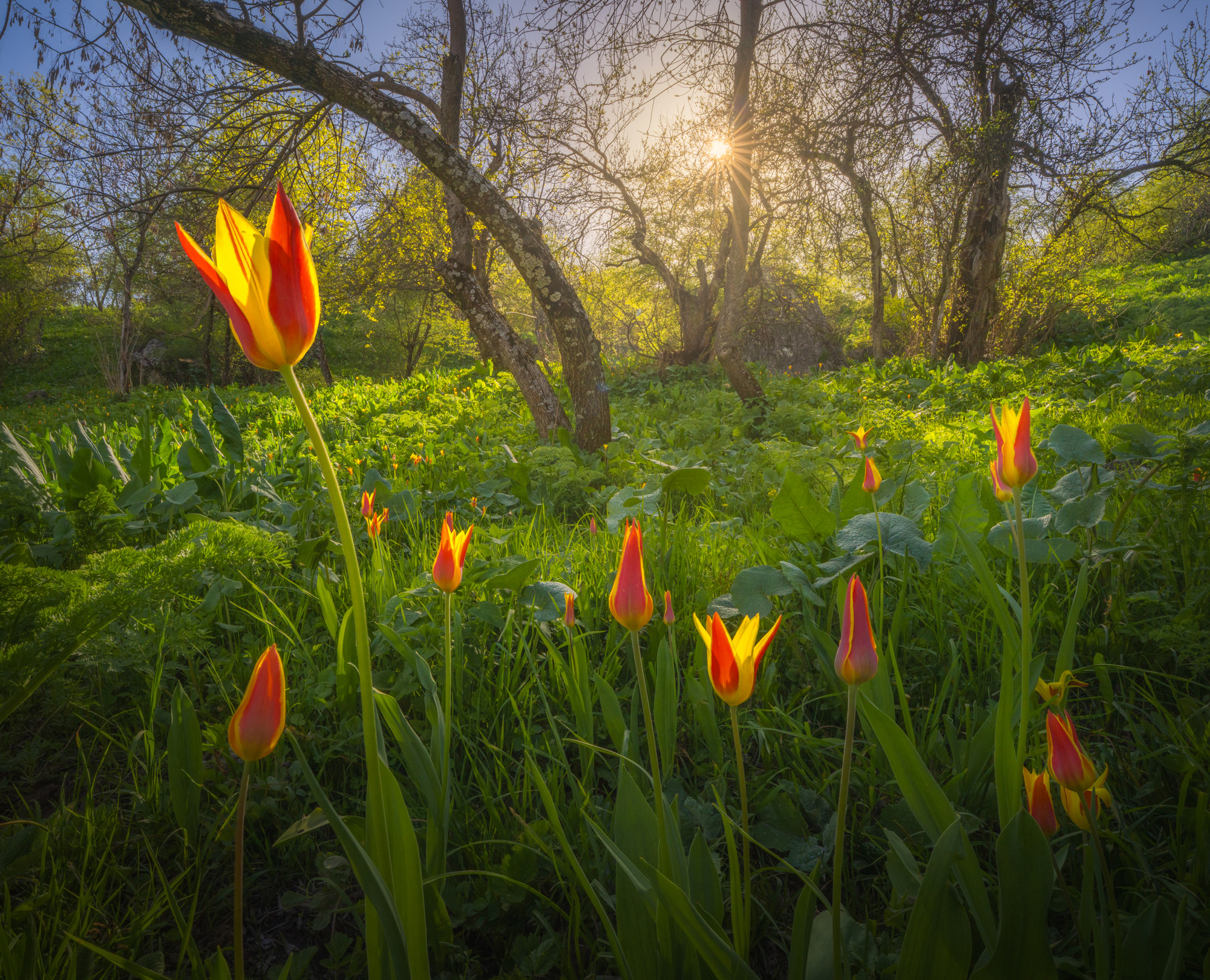 © Albert Dros | Sony α7R V + FE 16-35mm f/2.8 GM II | 1/50s @ f/18, ISO 100
Creative Bokeh
Of course this lens has great sharpness on all apertures even in the corners. And you might not use its bokeh too much, but it’s actually very clean and soft. I sometimes use the lens wide open to creative a dreamy foreground bokeh.
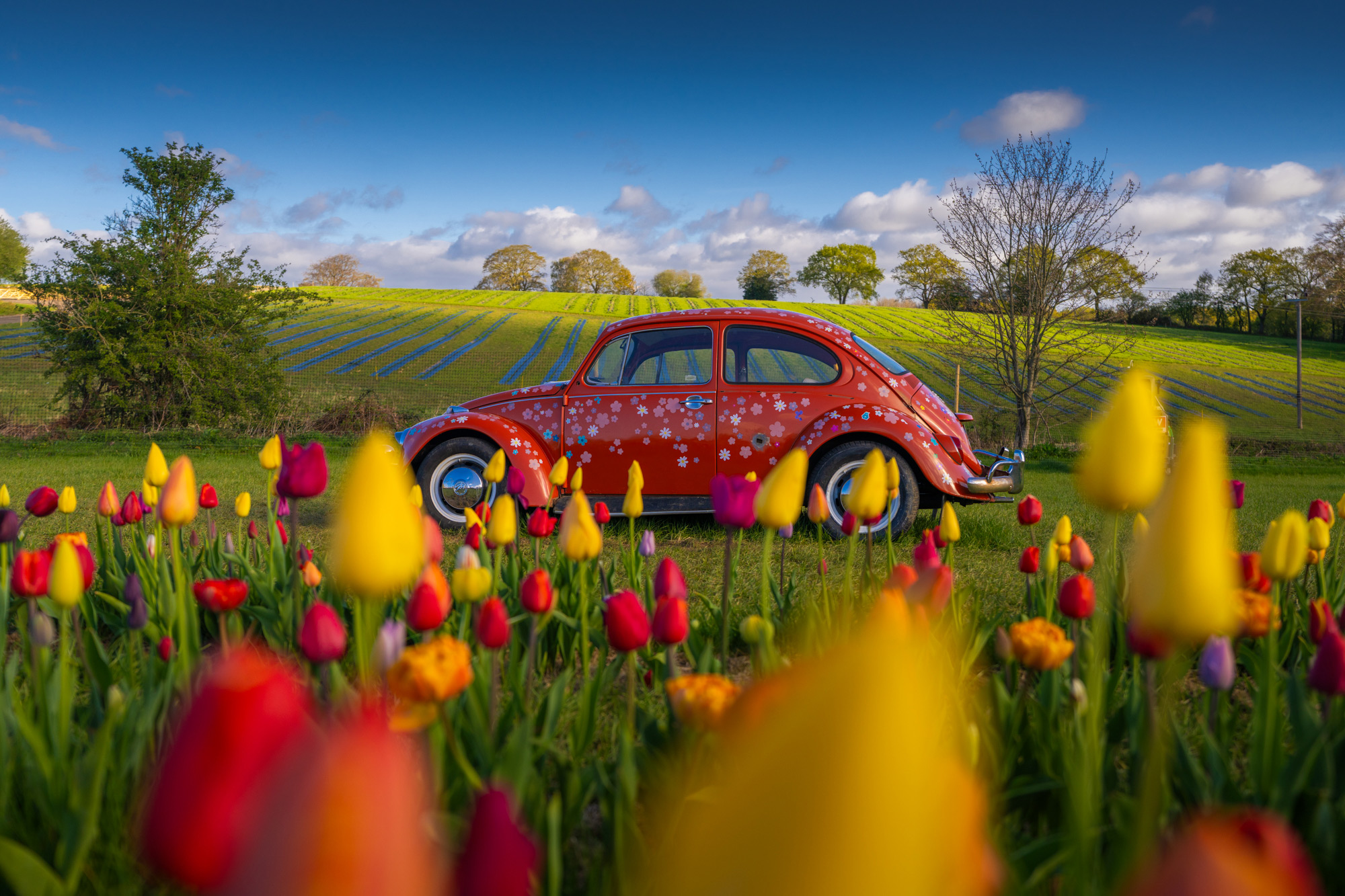 © Albert Dros | Sony α7R V + FE 16-35mm f/2.8 GM II | 1/15s @ f/11, ISO 100
And you can even do close ups with it. Something you wouldn’t really expect but works surprisingly well.
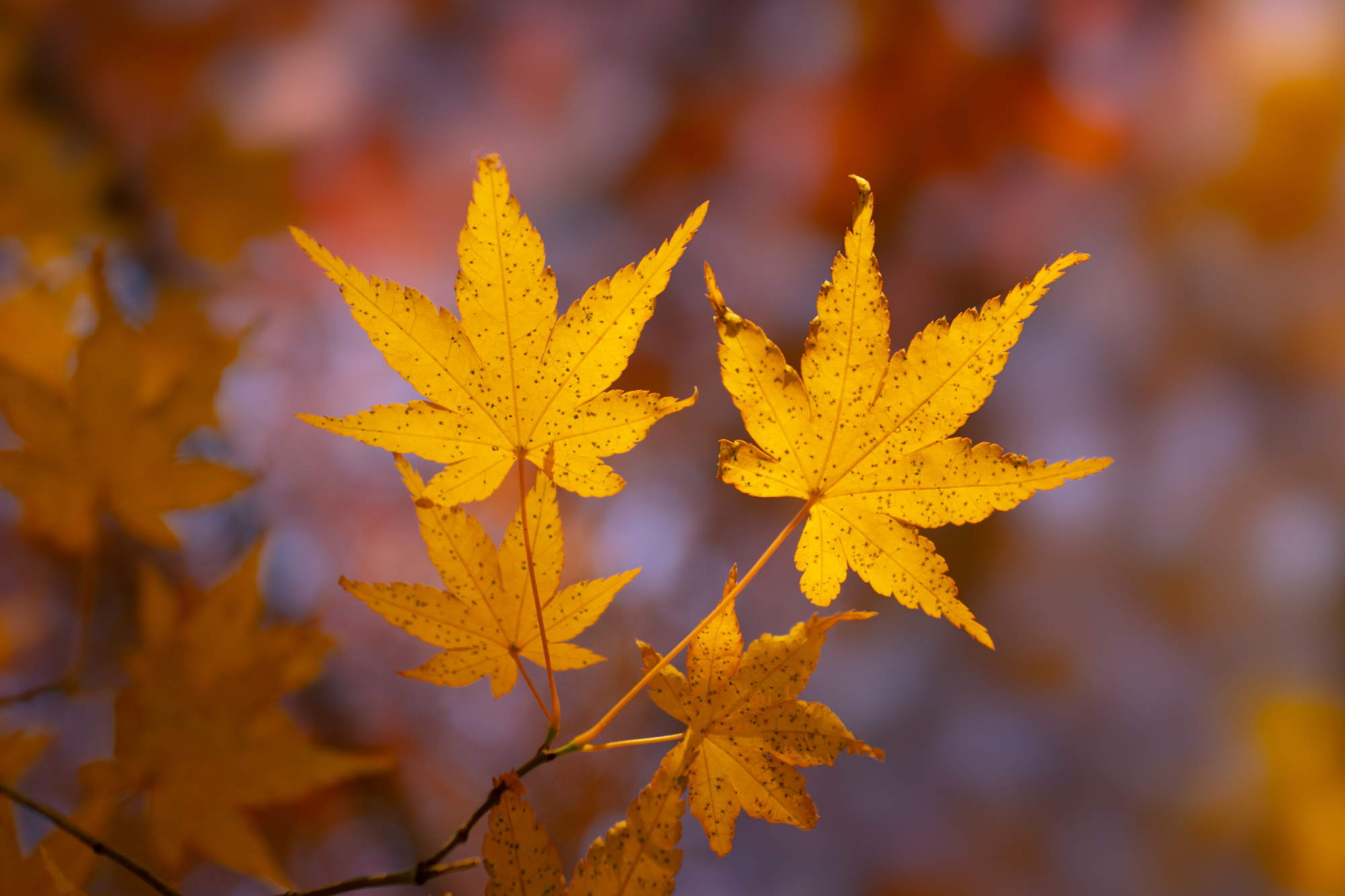 © Albert Dros | Sony α7R V + FE 16-35mm f/2.8 GM II | 1/500s @ f/2.8, ISO 100
Perfectly Versatile
Like I mentioned in the beginning: this lens has the perfect versatility as a wide-angle lens. It’s relatively light, very sharp and the features above really stand out for me. But then, do you really need f/2.8? The answer is yes. Because I often use the f/2.8 for photographing stars at night. Photographing stars or using faster shutter speeds with an aurora, I do not hesitate to use this lens completely wide open. The sharpness of the stars is great with a low amount of coma and chromatic aberrations.
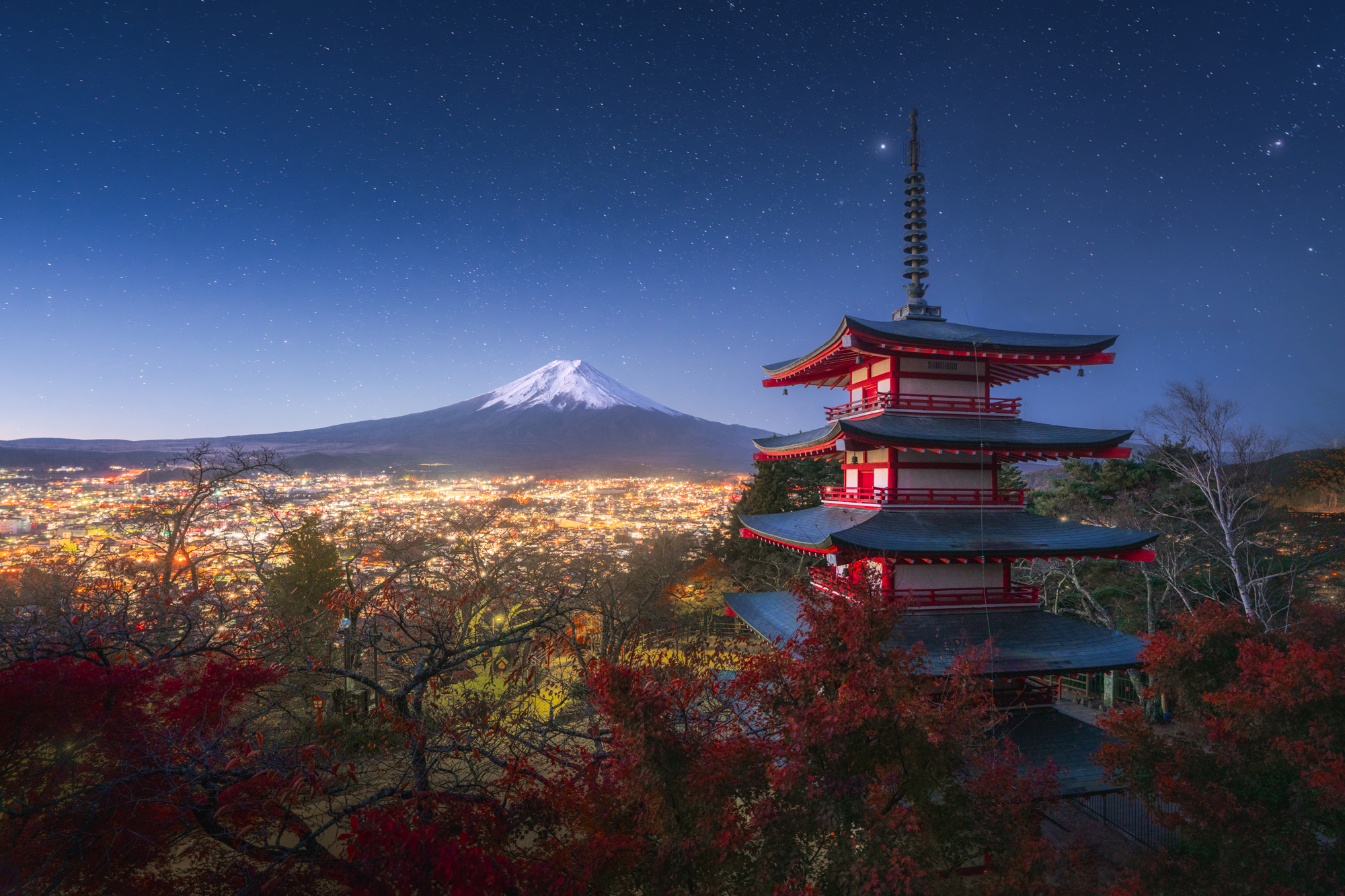 © Albert Dros | Sony α7R V + FE 16-35mm f/2.8 GM II | 25s @ f/4.0, ISO 2500
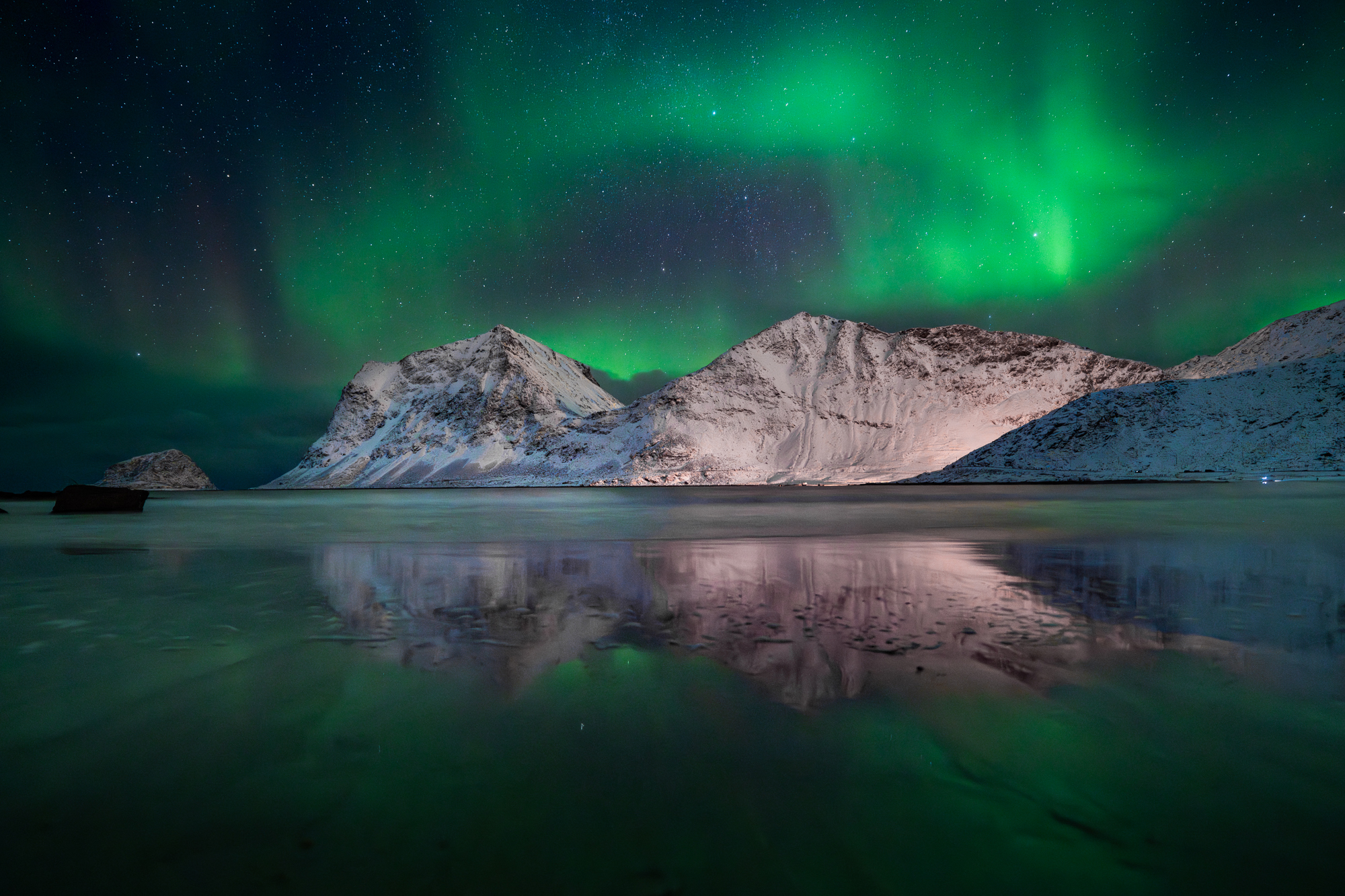 © Albert Dros | Sony α7R V + FE 16-35mm f/2.8 GM II | 5s @ f/2.8, ISO 4000
So yes, picking just one wide-angle for a trip I would always go for the FE 16-35mm f/2.8 GM II. It is no surprise that I took some of my absolute favourite photos of the last few years with this lens.”
Featured products


Albert Dros | Netherlands
"I am obsessed with getting the perfect shot"


