
Stillness and Motion
Dominika Miłek tests the Sony FE 100-400mm f/4.5 GM OSS
Wildlife photography, for me, begins with attention. Not to the obvious, but to the almost invisible - brief glances, subtle gestures, moments that appear and disappear within seconds. It’s the ability to notice what most people would miss. The direction of a gaze, the tension in a body, the instant just before movement, or right after it. These small signals are often the only clues to what will happen next.
That kind of awareness creates a feeling, as if I’m one step closer to the moment before it unfolds. Because wildlife photography isn’t just about reaction time. It’s about reading the situation, sensing what hasn’t happened yet. And in that process, gear should never get in the way. It should disappear - becoming something that allows you to act without hesitation.
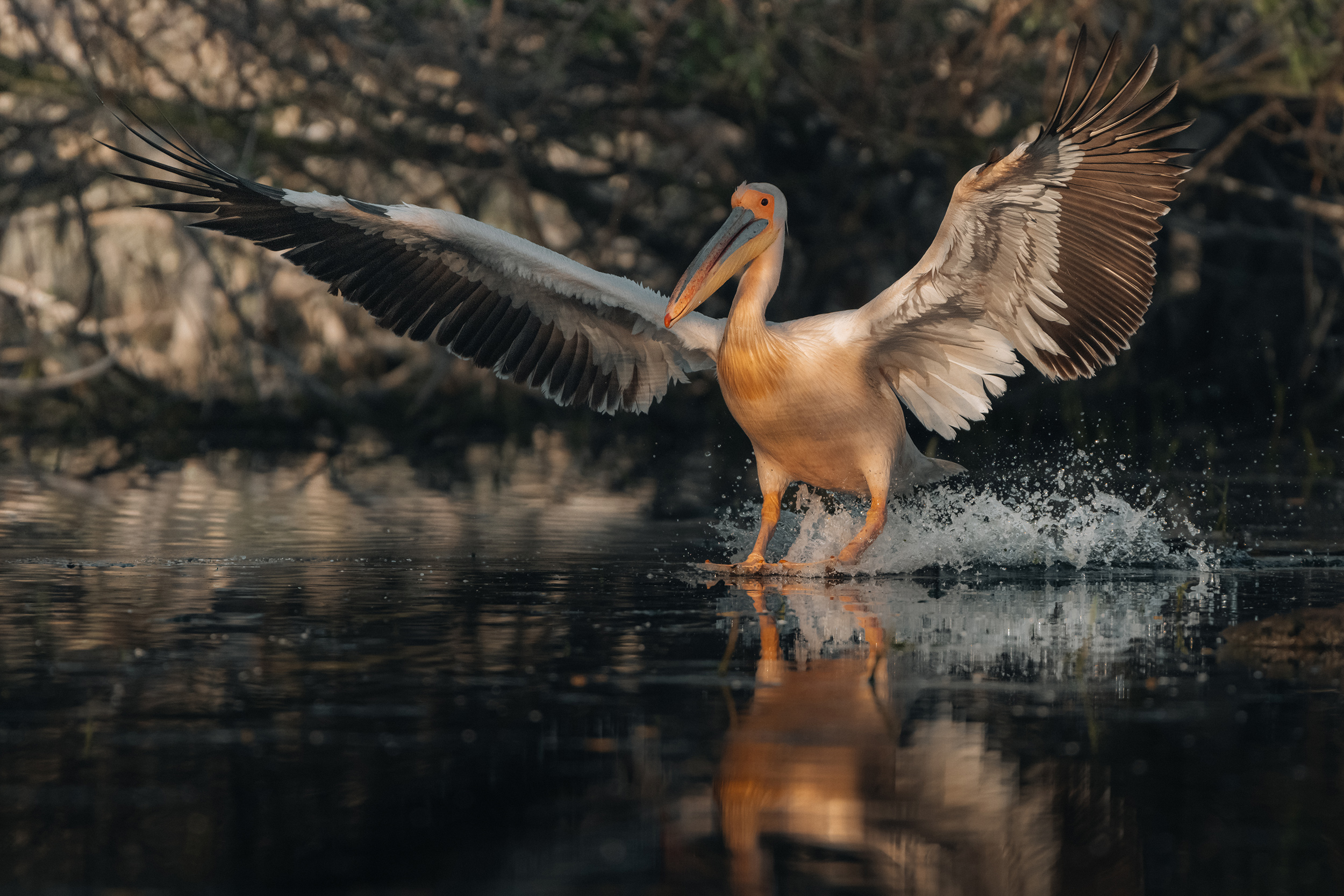 © Dominika Miłek | Sony α1 II + FE 100-400mm f/4.5 GM OSS + 2x Teleconverter| 1/3200s @ f/9.0, ISO 2500
During this journey, I worked with the new Sony FE 100-400 mm f/4.5 GM OSS paired with the Alpha 1 II.
In the Carpathian Mountains, everything slowed down. The forest felt dense, heavy, and quiet. Light moved unpredictably between the trees, appearing only in brief, shifting openings. Photographing bears in these conditions isn’t about speed, it’s about patience and focus. You wait. You observe. And when something finally happens, it happens only once.
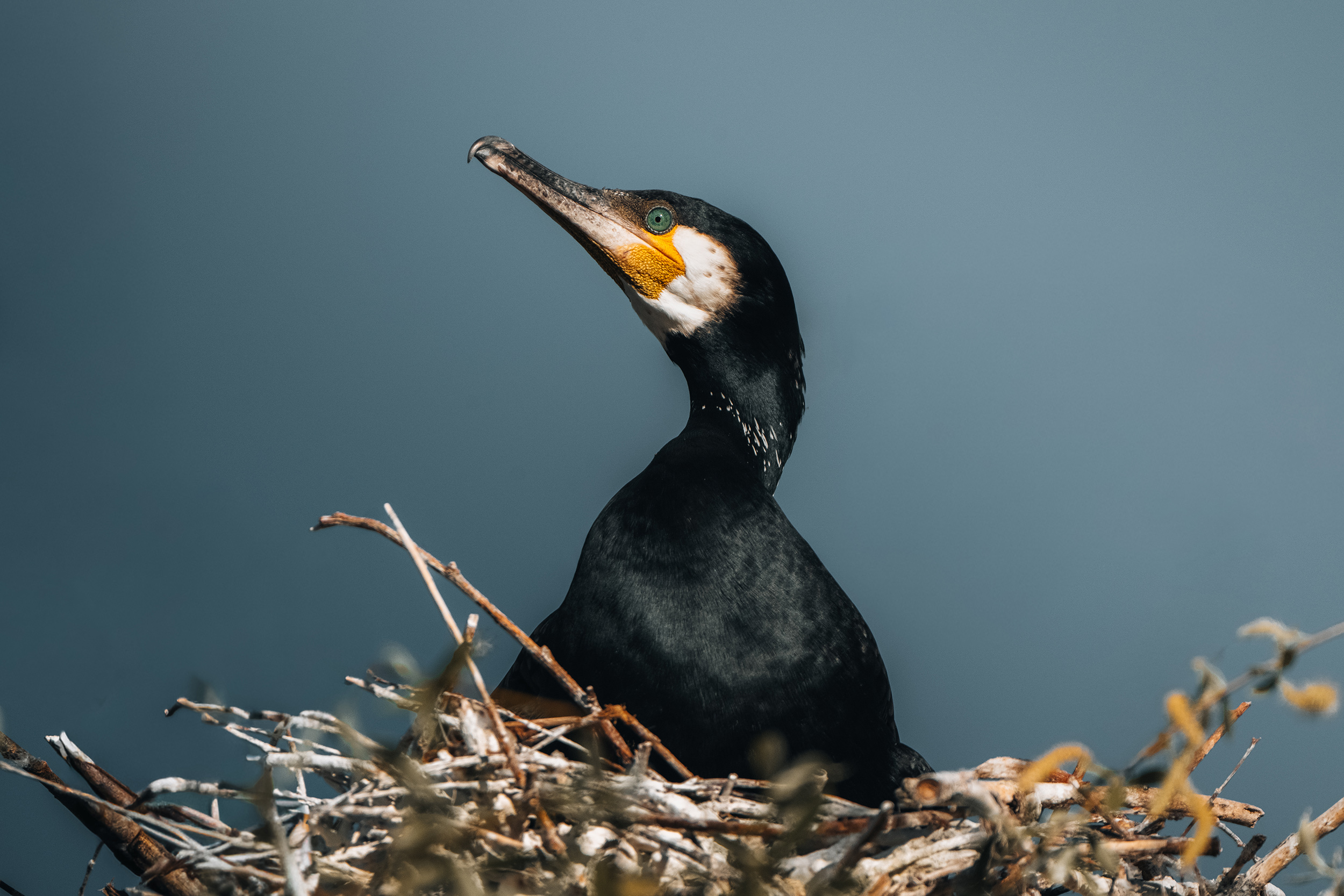 © Dominika Miłek | Sony α1 II + FE 100-400mm f/4.5 GM OSS + 2x Teleconverter | 1/2500s @ f/9.0, ISO 1250
The bears would emerge from the shadows calmly, stay for a moment, and disappear just as quietly. There was no rush - only readiness. Looking through the viewfinder, I often followed their movement, waiting for something almost imperceptible - a slight turn of the head, a brief glance, a moment of hesitation. Sometimes, light rain would begin to fall. The image softened, becoming more atmospheric - but also more demanding. It required precision.
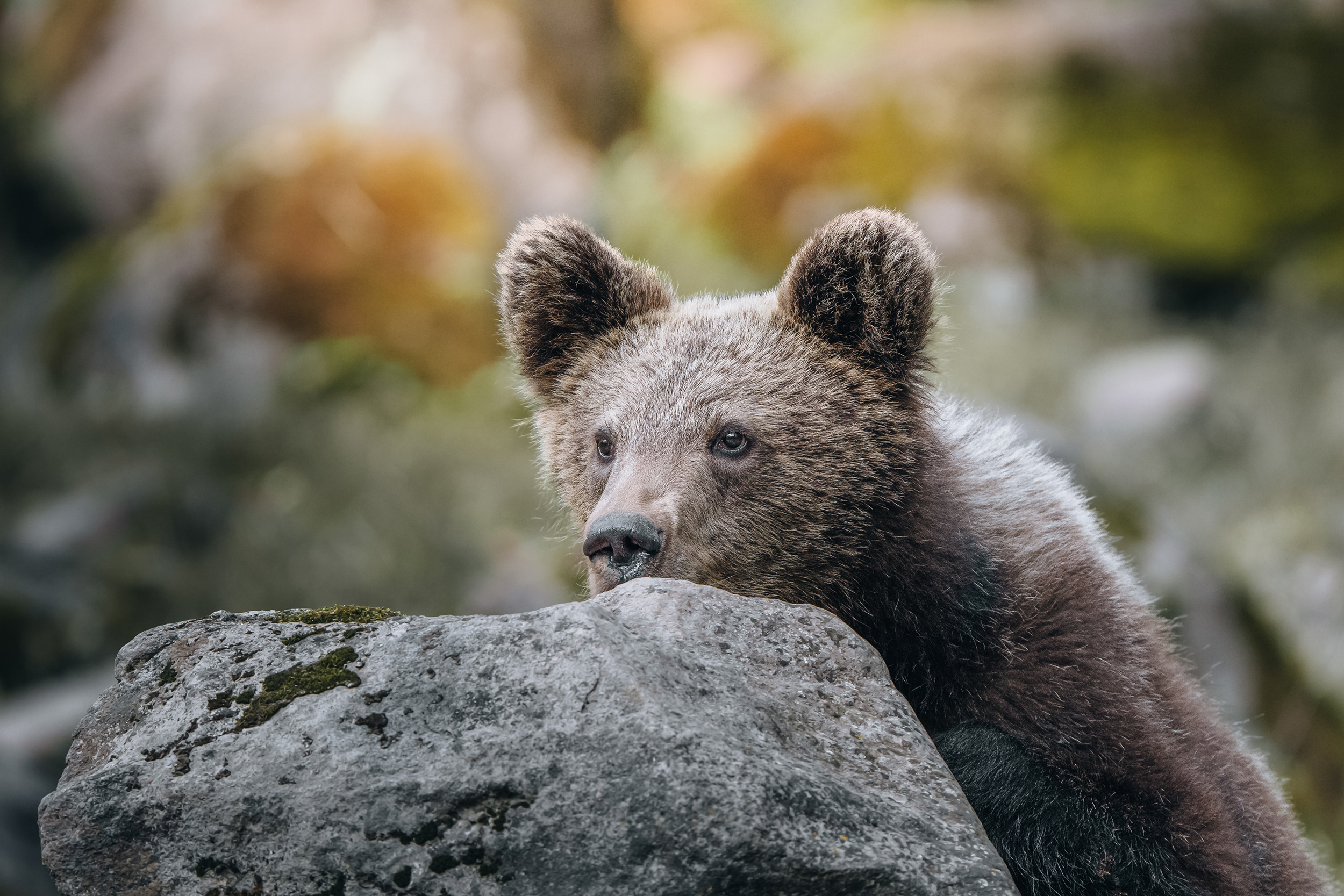 © Dominika Miłek | Sony α1 II + FE 100-400mm f/4.5 GM OSS | 1/1000s @ f/4.5, ISO 1000
A few days later, in the Danube Delta, everything changed. The pace was completely different. I worked mostly with birds, and I knew from the beginning it would be challenging, exactly what I was looking for. They appeared suddenly and disappeared just as quickly. Sometimes they landed on a branch for a second, not enough time to think. Those short moments became the most important ones.
Most of the time, I was shooting from a moving boat. The perspective constantly shifted, the frame was unstable, and every decision had to be immediate. Wind made everything more difficult - branches moved, reflections broke on the water, birds reacted to every detail of their surroundings. There was no room for hesitation.
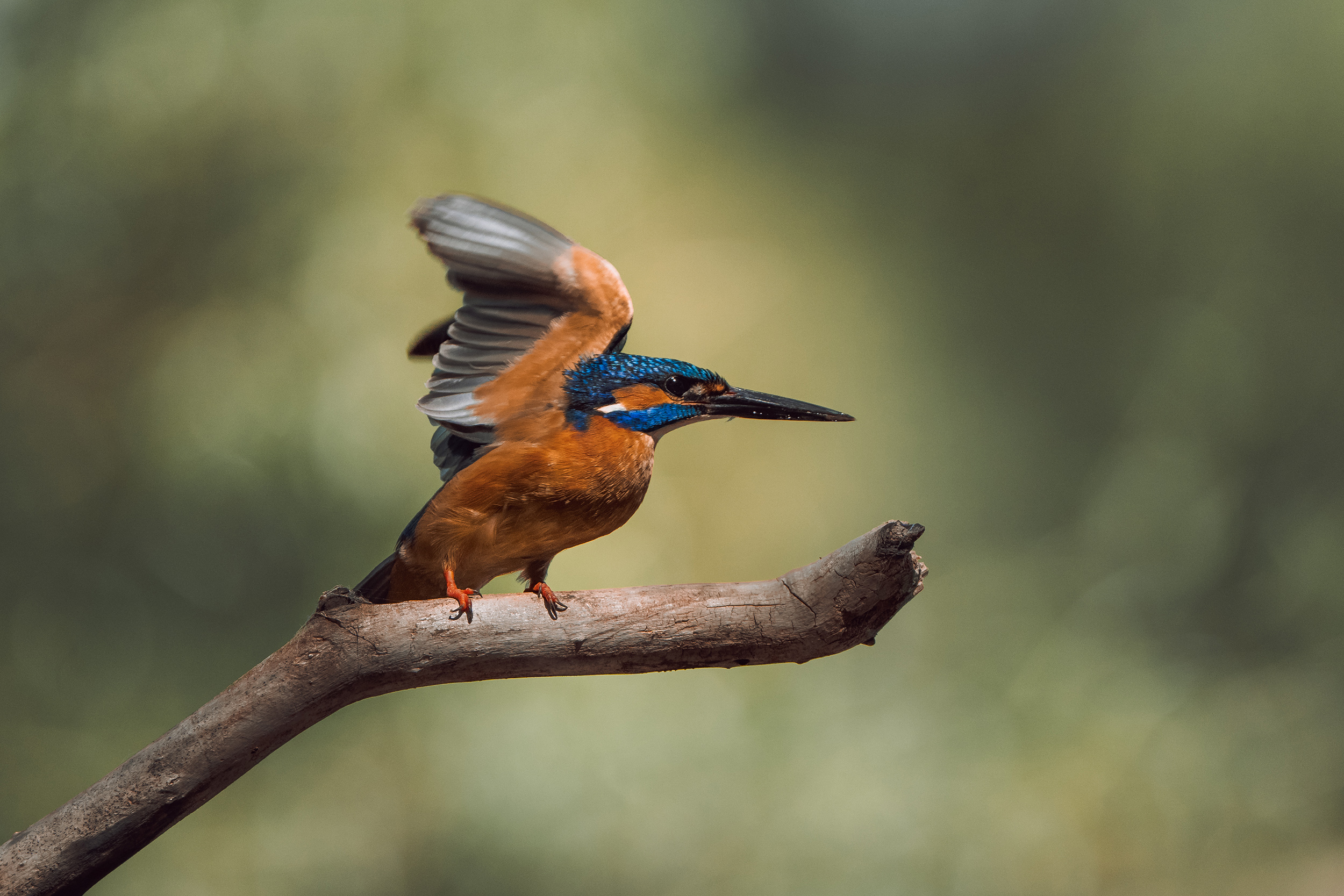 © Dominika Miłek | Sony α1 II + FE 100-400mm f/4.5 GM OSS | 1/2000s @ f/4.5, ISO 500
Working from the boat also changed the way I thought about composition. There was no consistency, no repeatability. Every movement altered distance, background, and framing. In those conditions, the ability to adjust focal length instantly wasn’t just useful, it was essential. It allowed me to react without losing connection with what was happening in front of me.
First Impressions - In Practice
The previous version of the Sony 100-400 mm f/4.5-5.6 was my first wildlife lens. It’s where I learned to work in the field. It shaped the way I see. So when I heard about the new version, I was genuinely curious, not about the specs, but about how it would feel in real conditions.
The first thing I noticed wasn’t performance. It was how it handled. The lens feels well balanced, and the internal zoom design means nothing shifts while working. That sense of stability makes a real difference, especially when shooting handheld or from a moving boat.
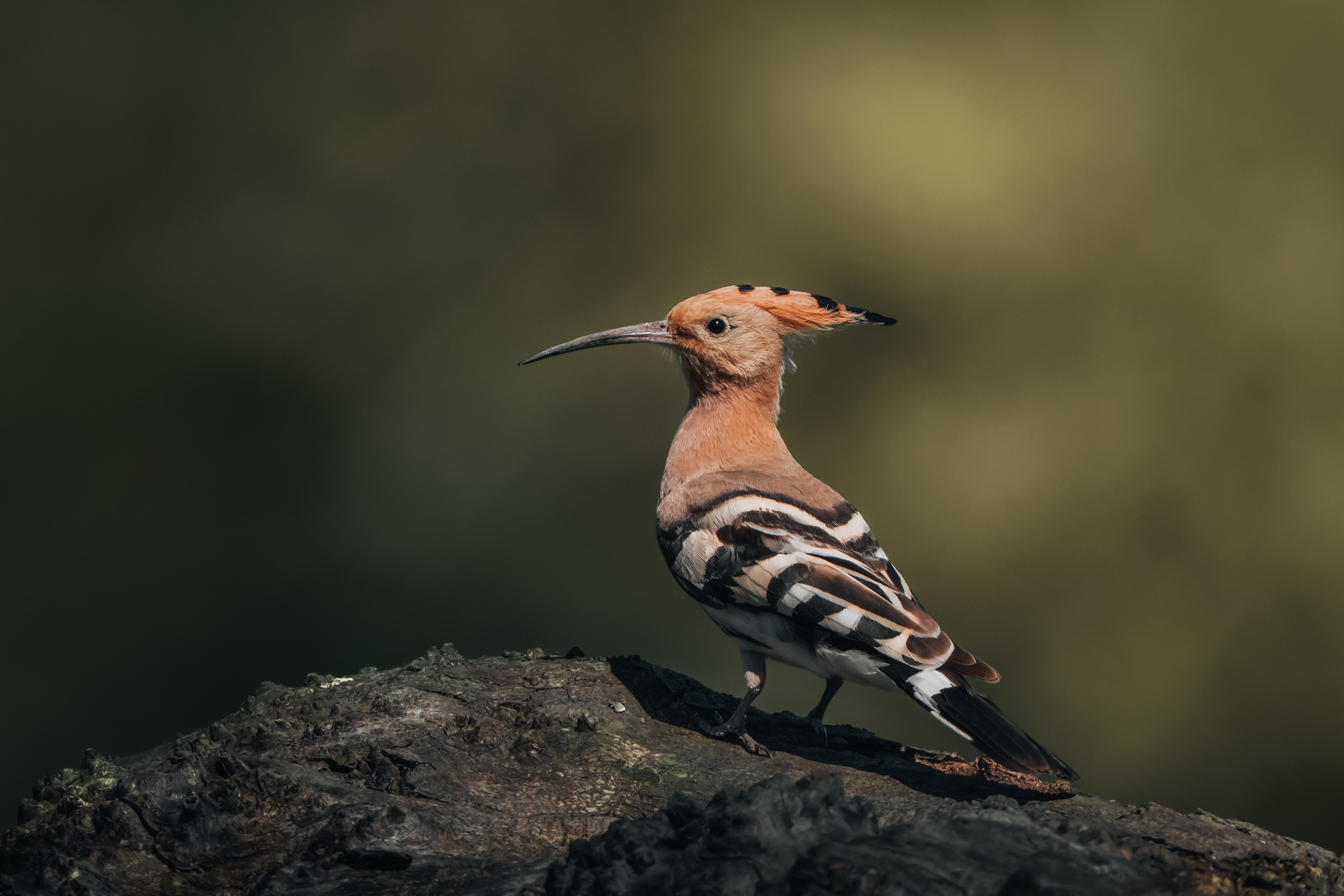 © Dominika Miłek | Sony α1 II + FE 100-400mm f/4.5 GM OSS + 2x Teleconverter | 1/2500s @ f/9.0, ISO 1250
It also feels lighter than expected during long days in the field. And that matters more than people think. The constant f/4.5 aperture simplifies working in changing light. It lets you stay focused on the scene instead of constantly adjusting exposure as you zoom.
I never felt like I had to adapt to the lens. It adapted to the situation.
Flexibility in Real Conditions
Recently, I’ve been working mostly with prime lenses, which taught me to make decisions before anything happens. Here, I allowed myself more flexibility - reacting in real time.
In the Carpathians, it meant adjusting quickly as a bear changed distance. In the Delta, it meant keeping a bird in frame while staying ready for that brief moment of stillness. That flexibility creates freedom and removes hesitation.
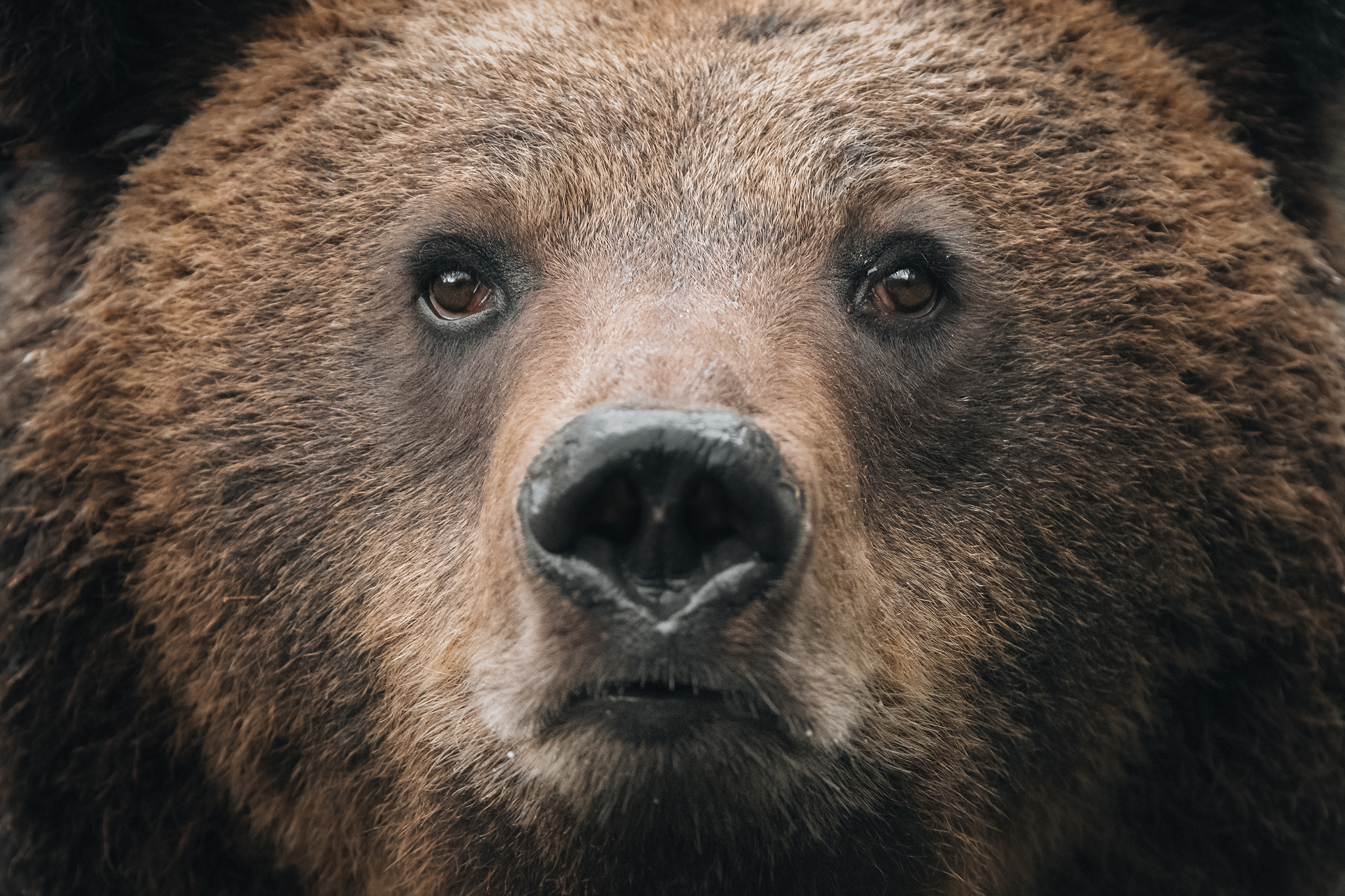 © Dominika Miłek | Sony α1 II + FE 100-400mm f/4.5 GM OSS | 1/1000s @ f/4.5, ISO 3200
Image Quality in Challenging Conditions
What matters most is how the gear performs when conditions stop being comfortable.
In the Carpathians, the challenge was contrast, dark fur against bright gaps in the forest. Despite that, details in the shadows remained clear. In the Delta, the difficulty came from movement, reflections, and colour. The image stayed natural and consistent.
In constantly changing light, my priority was simple: the image had to preserve what the moment actually felt like.
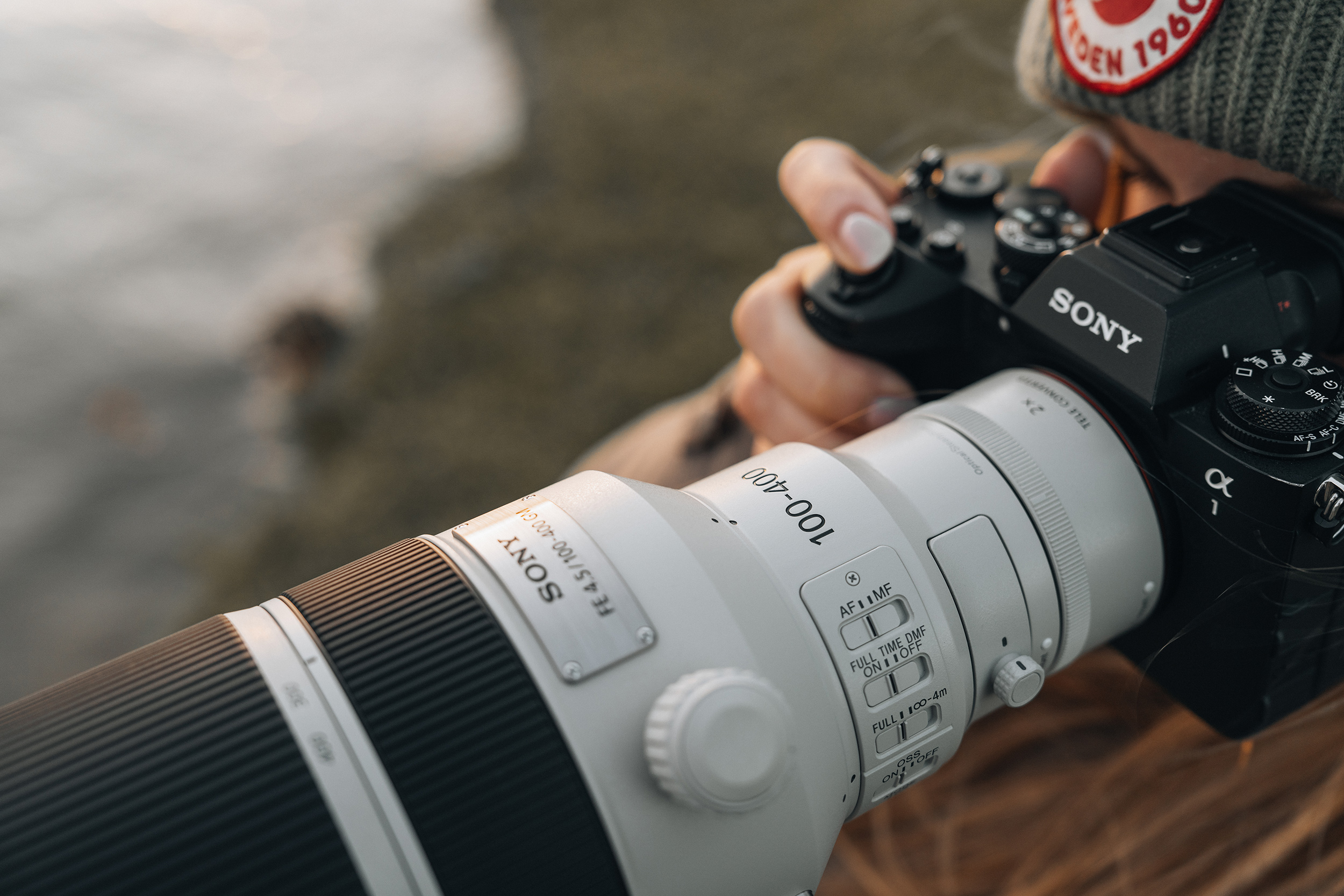 © Dominika Miłek
Autofocus - The Moment of Truth
In the Delta, autofocus became critical. Birds disappeared behind branches and reappeared instantly, often changing direction in a fraction of a second. Stability mattered more than speed alone. The system maintained tracking and didn’t lose the subject during brief obstructions. That allowed me to focus on the moment, not the technology.
Instead of focusing only on action, I started paying more attention to what happens in between. A fraction of a second, when a bird looks directly into the lens, or pauses briefly. There’s no time for correction. You react or the moment disappears.
It’s a different kind of tension. Quieter. More precise. That doesn’t mean giving up on motion. A pelican landing on water is still a transition, that brief instant before contact, when everything hangs in suspension. That’s where the image happens.
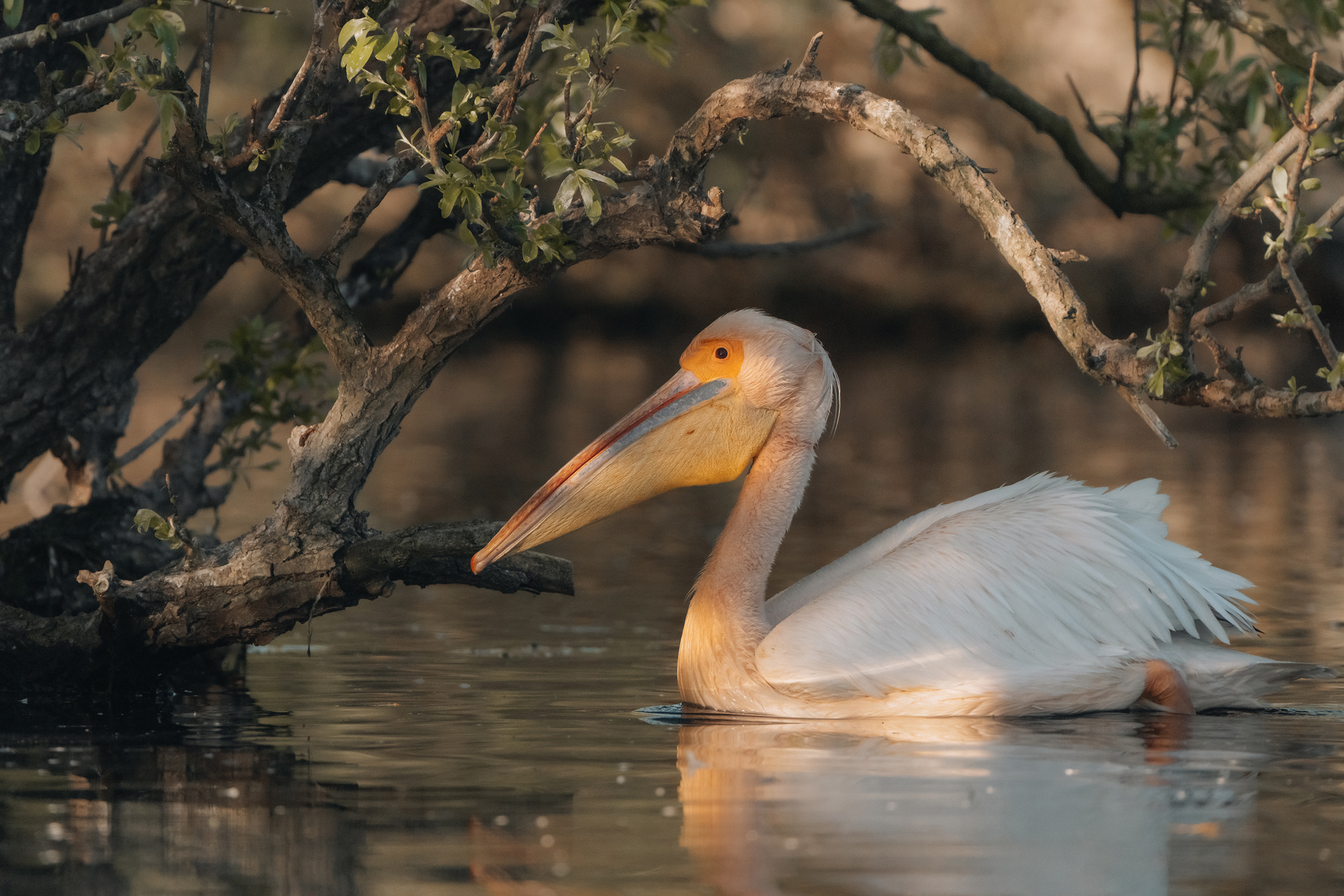 © Dominika Miłek | Sony α1 II + FE 100-400mm f/4.5 GM OSS + 2x Teleconverter | 1/4000s @ f/9.0, ISO 2500
Teleconverter - Reality Check
Teleconverters always sound good in theory. In practice, their limitations show up quickly.
During this trip, I worked exclusively with a 2x teleconverter, which meant losing light and working at higher ISO values. And yet, it never felt like a compromise. Autofocus remained reliable, and image quality was strong enough to treat these images as final.
The extra reach made a real difference. It allowed me to keep distance - not interfering with animal behaviour, while still capturing detail that would otherwise require getting closer.
Wildlife photography isn’t comfortable. It’s long waiting, unpredictable conditions, and moments that happen only once. In the Carpathians, it was patience. In the Delta, it was readiness. Your gear has to keep up with both.
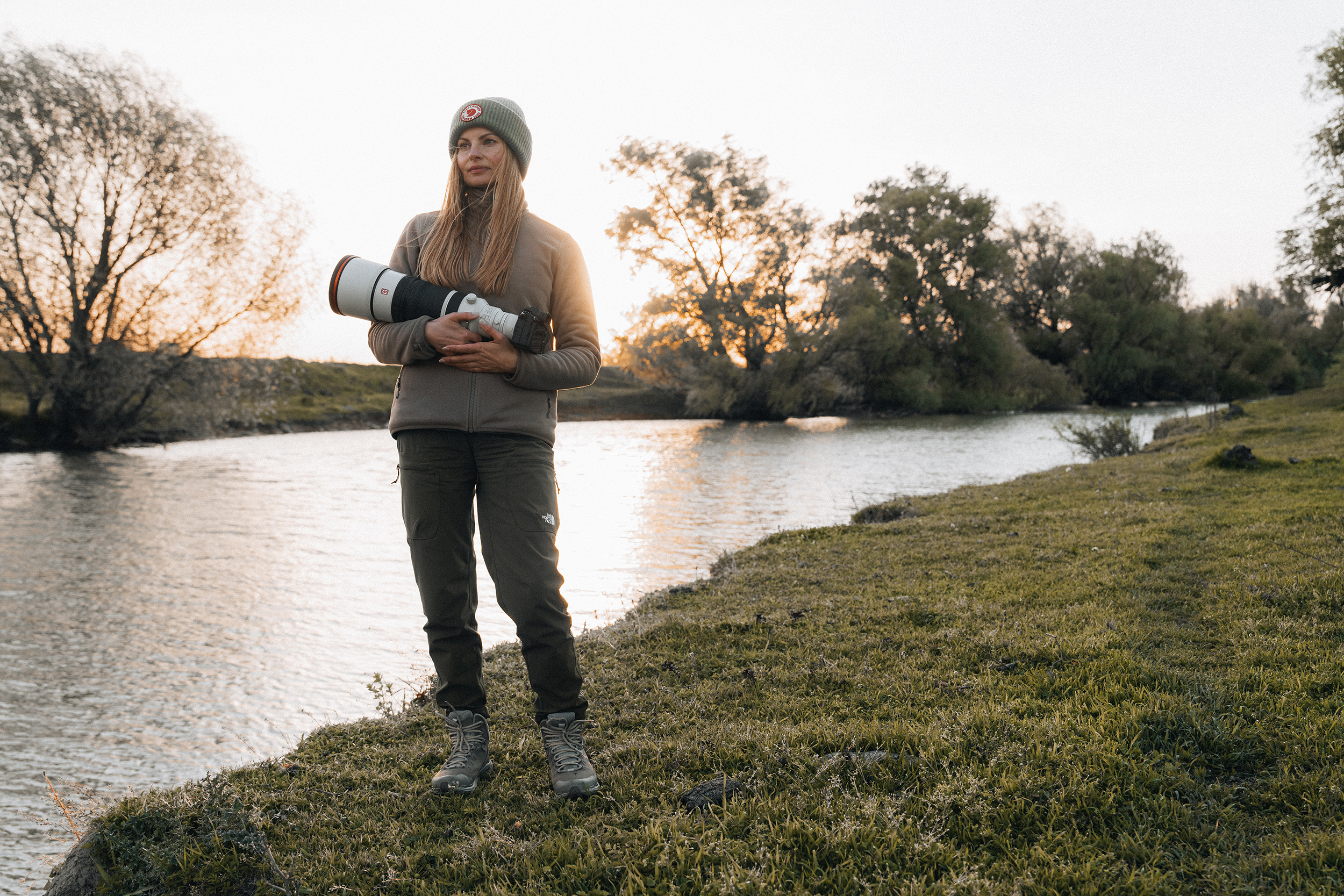 © Dominika Miłek
This trip reminded me that everything in wildlife photography is connected - focal length, light, distance, timing. And yet, none of it is what stays the longest. What stays are those quiet, almost invisible moments - when everything aligns, just for a second. Those are the moments that remain.


