Vivid Portraits
Hannah Couzens
“I am known for shooting very dark images and not having a lot of colour in them at all”, says British portrait photographer Hannah Couzens. Hannah recently produced a bold series of portraits with the Sony Alpha 1 II and FE 85mm f/1.4 GM II, with the clothes of the subject matching the vivid colour of each backdrop. “I actually desaturate many of my images, so I wanted to do something that pushed me to the other end of the scale.”
 © Hannah Couzens | Sony α1 II + FE 85mm f/1.4 GM II | 1/125s @ f/8.0, ISO 100
Hannah produced the whole shoot herself, choosing the models, clothes and background colour; “People have either a warm or cool skin tone. Even their hair and eye colour may be considered in the background I choose for them. It’s a really interesting experiment to keep all the lighting the same and then change the colour of a background and see how it affects a portrait.”
The technique of colour matching, where the subject's clothes match the background, flies against the conventional portrait advice of separating your subject from the background by using a contrasting or complimentary colour. “That is always the instinct, especially when just starting”, says Hannah, “but for me, it always feels like it draws more attention to the person and their face when I colour match; everything else in the image becomes secondary.”
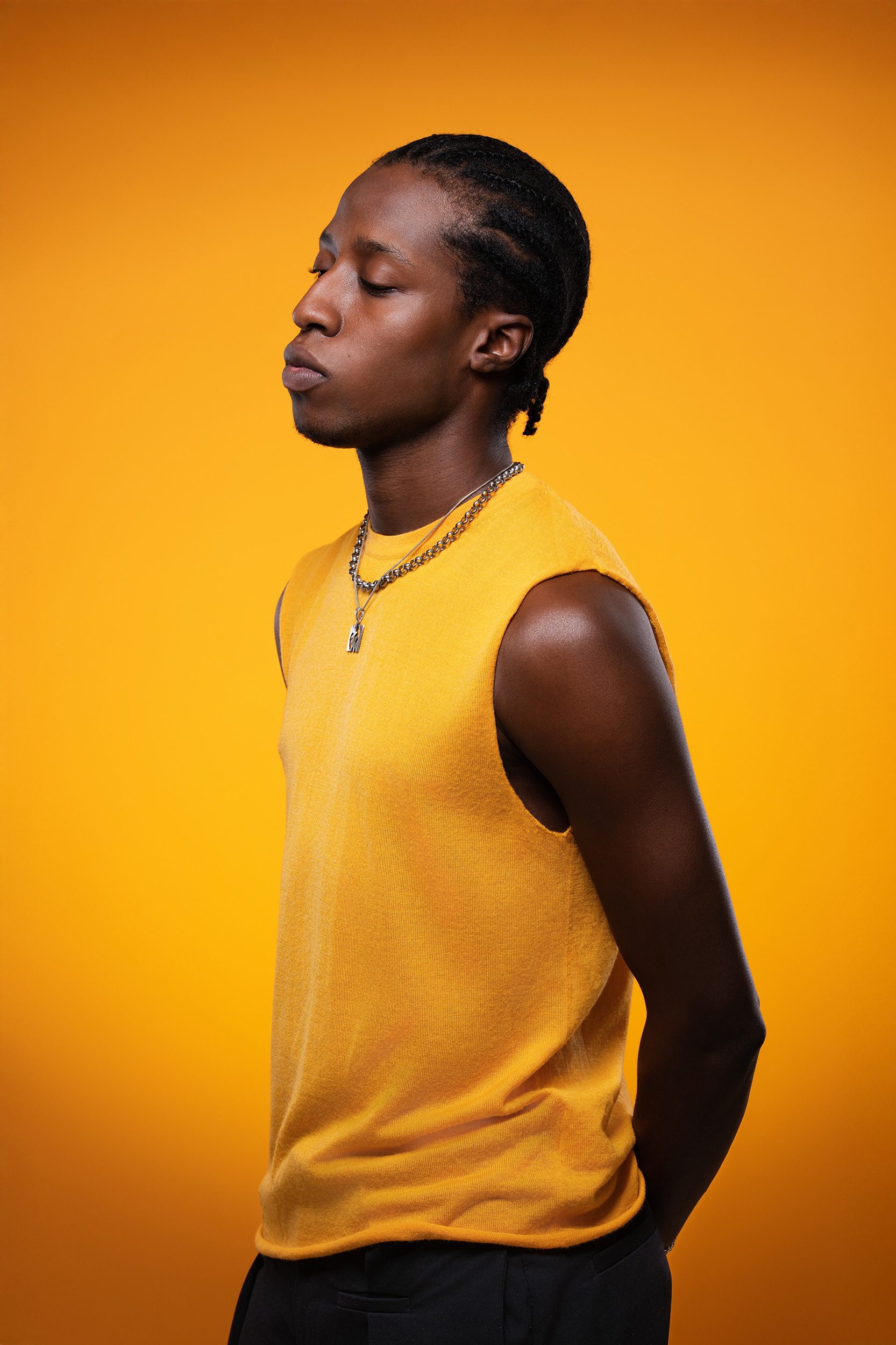 © Hannah Couzens | Sony α1 II + FE 85mm f/1.4 GM II | 1/125s @ f/8.0, ISO 100
There is a common misconception when colour matching that the subject will simply blend into the background. However, there are other ways, besides colour, to separate the subject from the background, such as using light. Hannah does this expertly by using a combination of lights on both the subject and the background. As well as the main silver beauty dish to light her subject, she used two strip lights on either side of the subject. “The two strip lights had grids on them so the light was on the subject and didn't spill all over the background. The idea is just to give a very subtle highlight around the edge of the subject's face, hair and clothes. They’re on a very low power, adding just enough highlight to lift the subject from the background.”
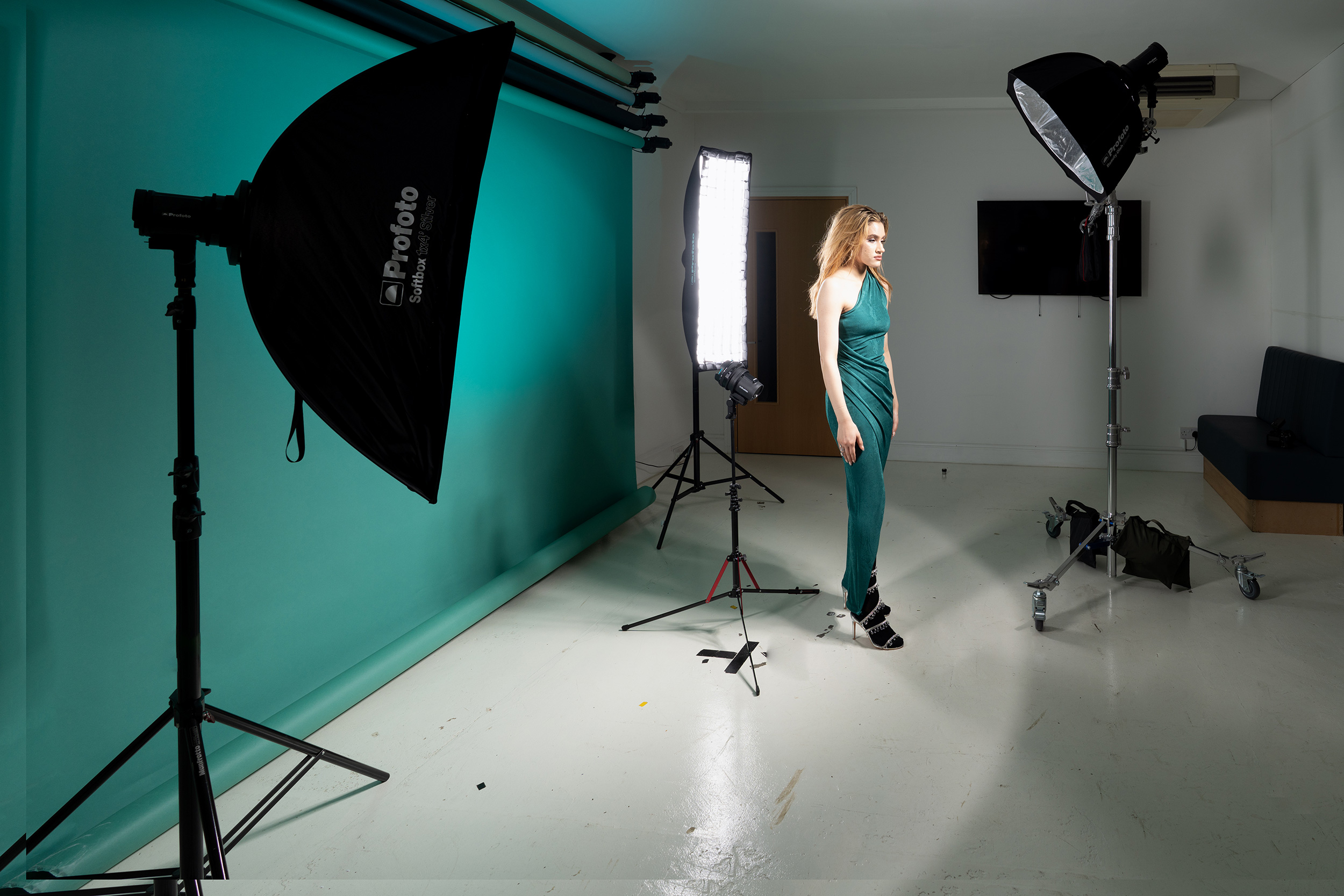 © Hannah Couzens
Hannah’s final light revealed expert advice for creating vivid saturation in the background. “The light is placed behind the subject in each shot to light the background. I used a coloured gel on the light that matched the background colour. This stops white light flooding the scene and reduces the chance of white highlights, while adding a rich saturation to the background.”
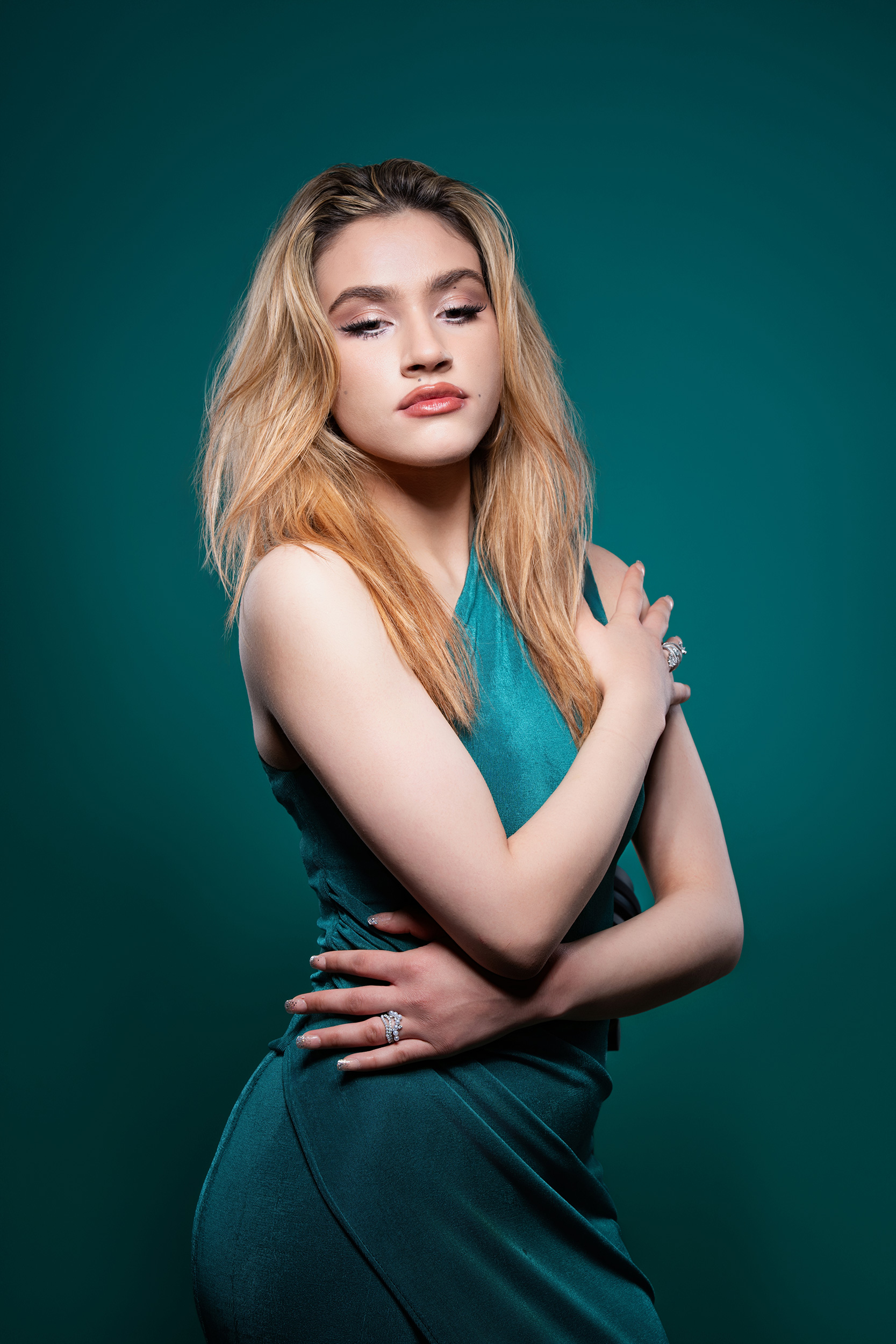 © Hannah Couzens | Sony α1 II + FE 85mm f/1.4 GM II | 1/125s @ f/10, ISO 100
The shoot was Hannah’s first time using the Sony 85mm f/1.4 GM II lens. “Originally, I thought the series would be headshots,” she reveals. “But, once the first subject was situated and I saw the composition, I realised I preferred a wider shot. Many people may have switched to a 50mm lens at that point, but I had the space to move further back and shoot. I like how the 85mm lens fills the frame and gives me the option of the headshot and wider mid-length shot. It shows the background a little more whilst still making the person very much the focus of the shot.”
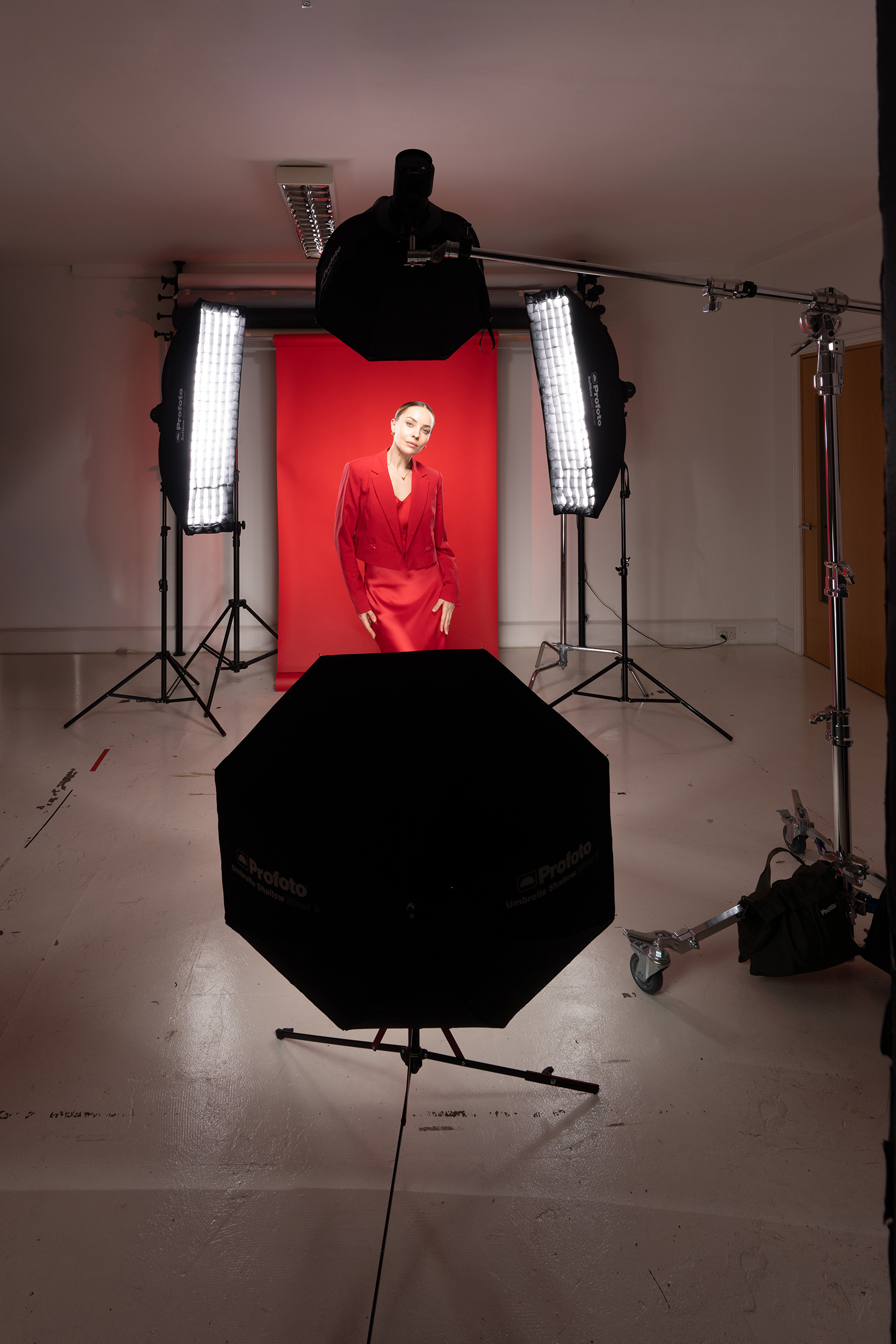 © Hannah Couzens
The original 85mm GM lens has been Hannah’s go-to portrait lens for years, and she noticed the difference using the new lens. “I didn’t think the focus could be any quicker than the original version, but it’s unbelievably accurate and fast! The lens is lighter, really nice to hold and it’s so easy to use. As I try to shoot quite close to my subject, I’m conscious of distortion. I want to keep my portraits looking as accurate as possible, so the 85mm focal length has always been fantastic for me. Not only does it keep a nice working distance between myself and the subject, but if I want to recompose, I just have to step back a little without having to switch lenses or worry about image distortion. It’s such a versatile portrait lens.”
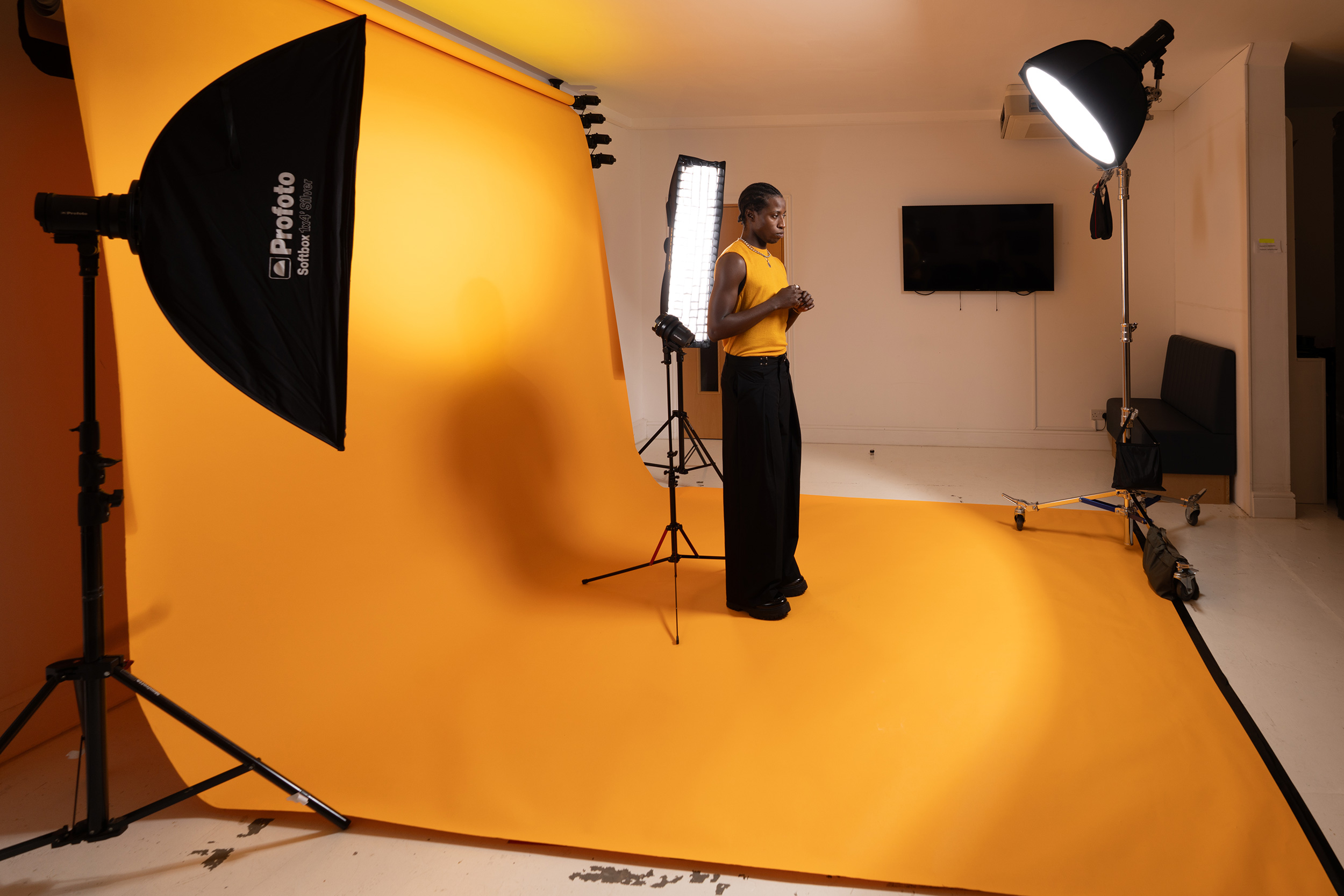 © Hannah Couzens
Over the last few years, the way Hannah shoots has changed, thanks to cameras like her trusted Sony Alpha 7R IV and Alpha 1. “I use Eye AF 100% of the time now,” she reveals, “it’s something I couldn’t do without. When shooting portraits, the eyes have to be sharp. Using Eye AF means that the model and I can get into a good rhythm. They can switch sides, we can try different angles, and I haven’t got to worry as the autofocus will always track the eye closest to me, which is exactly how I would focus anyway.”
“When everything comes together on set, just as it had been in my mind, it’s a great feeling. I get carried away and have a really fun time shooting. Then, suddenly, I'll think to myself, that's it, I got the shot.”
Featured products


Hannah Couzens | UK
"There is a moment when taking a portrait that the connection is made and the subject lets you in. That’s the moment you take the shot that documents who they are, whoever they may be"


