
Wildlife Filmmaking with Sony Alpha
Mathieu Le Lay
“Every encounter in nature is magical and unexpected,” begins Mathieu Le Lay. “Within those situations, you dream of a perfect image and of footage that shows the true power of the moment. The real hope is that you have captured exactly what you felt at the time. A connection that can’t be repeated.”
A filmmaker, director and DoP, who makes visually stunning films with an intimate, often visceral connection to nature, Mathieu gained a degree in wildlife conservation from the University of Salford in the UK before studying at IFFCAM, the renowned French wildlife film school. His approach is built on authenticity, using natural light and shooting in extreme environments to tell the stories he’s passionate about.
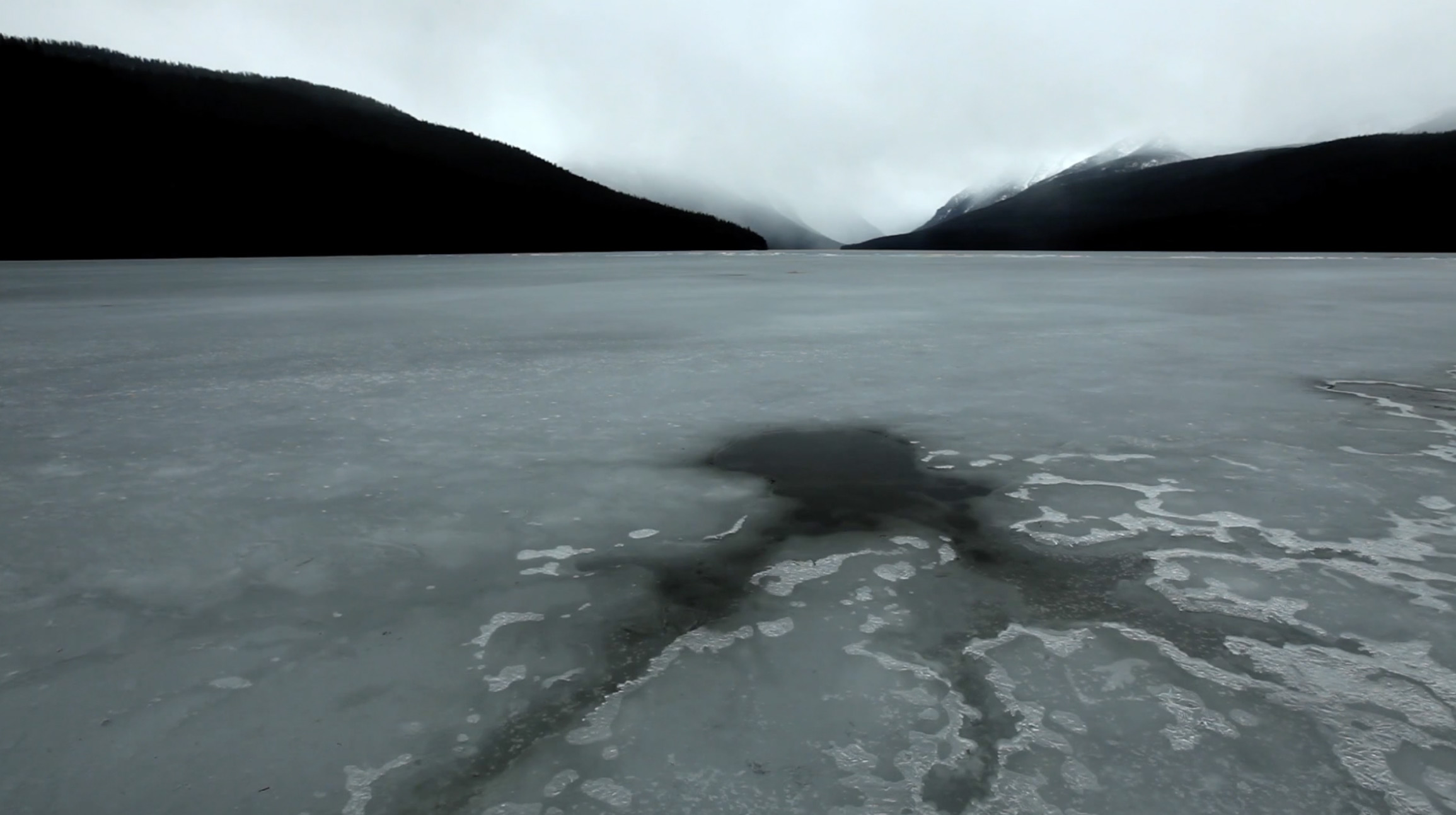
“Before a shoot, I’m always well prepared,” he explains, “spending the day before with my gear and double-checking the forecast, but just because conditions are difficult doesn’t mean I’ll cancel. In fact, I like to film in the rain, wind or fog. I savor it. It can be tough, but those rough environments make me feel alive as a filmmaker.”
“The people and animals that I shoot,” he continues, “are out in those conditions, too. So the weather, the storms, the movement of the clouds and the rain… they’re each a valuable tool in making you feel a sense of being there. That’s what I’m really trying to share. That we are all part of the same world, sharing the same spaces, the same air, the same stillness. And that’s the real beauty of nature.”
 © Mathieu Le Lay
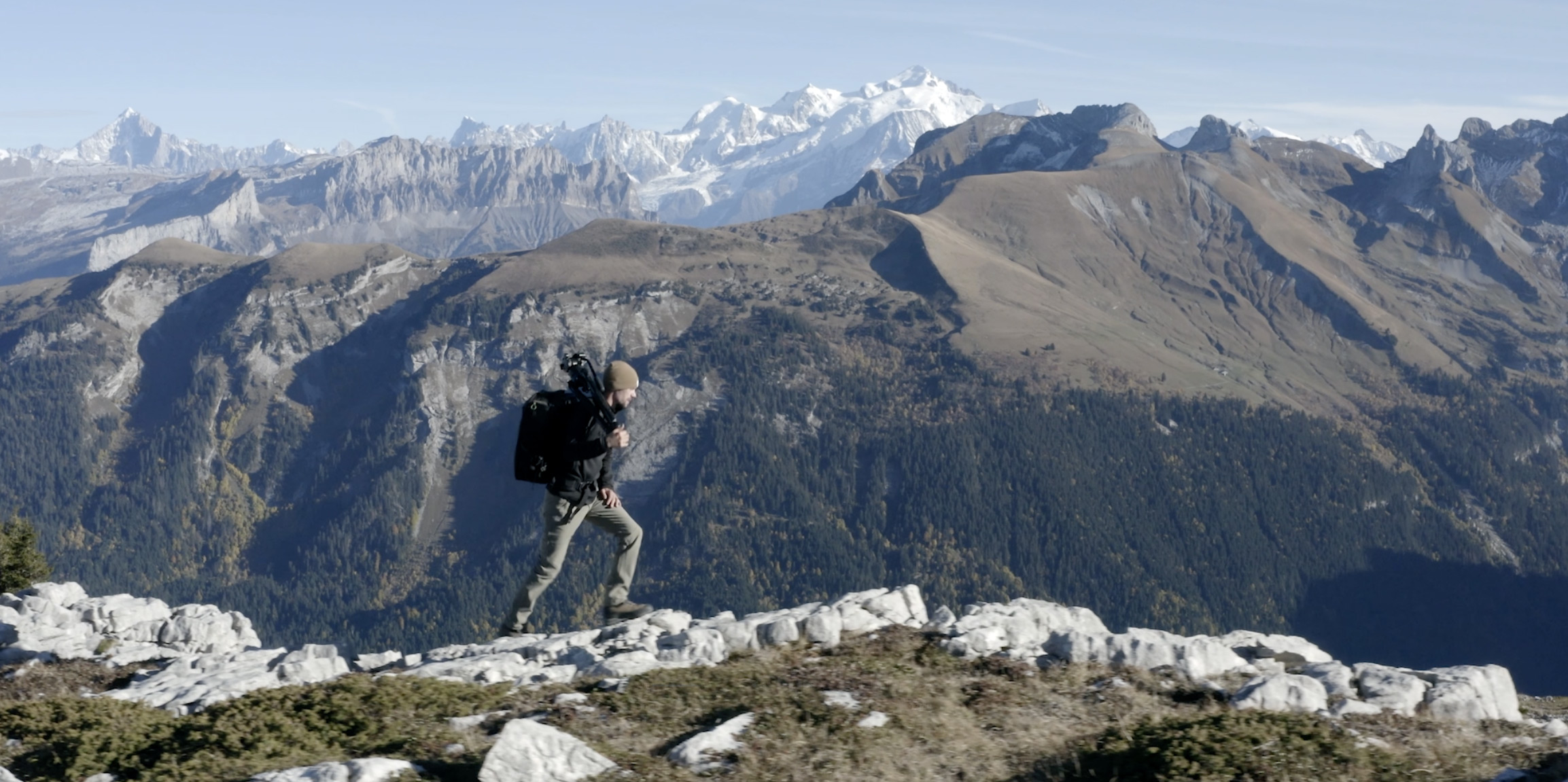
With this connection in mind, it’s no surprise that Mathieu’s filmmaking also focuses on people living and working in nature. “The people I document have a special relationship with their environment,” he reveals, “and I’m very attracted to that way of life. They are surrounded by what they love and what sustains them.” By observing them, he improves his own connection and his ability as a storyteller, Mathieu says.
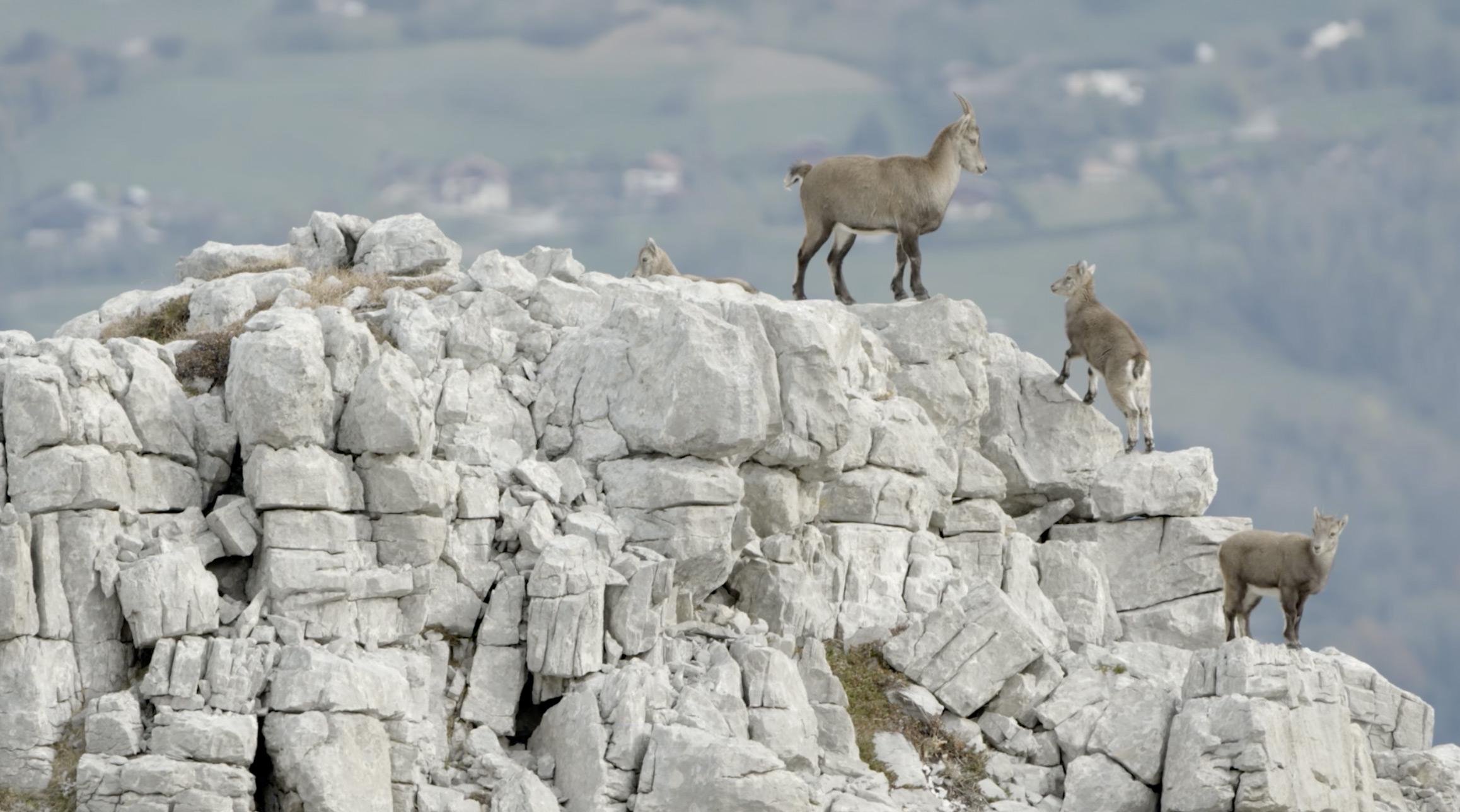
“For instance, I’ve followed a few wildlife photographers, documenting their approach in the field, and I noticed how present and watchful they are. They stay quiet, they listen, even smell and touch the environment they're in, using all their senses. And most importantly, they’re patient, waiting for an animal to come out from the forest, from the peak of a mountain, or from the air. They understand their subject’s behaviour and habits, so they’re able to get closer to it.”
 © Mathieu Le Lay
He also relishes the connection between farmers and domestic animals. “I love to see that interaction between men and the animals they depend on. I think too many people have become separated from animals, even though they’re reliant on them. They don't see them and animals as part of the same world.”
“I'm a filmmaker, but also an auteur, which means I really enjoy sharing stories and thinking about stories,” he continues. “And when I meet someone, I often feel deeply touched by their personality or their life, so much so that there’s this immediate desire to tell their story. I feel it as a human being first, not a filmmaker. It could be a Yamaguchi monk living in a forest in Japan, a shepherd in Romania, or a carpenter in Montana. So immediately I begin thinking about how to make that happen, how to frame it and tell it through my eyes.”
 © Mathieu Le Lay
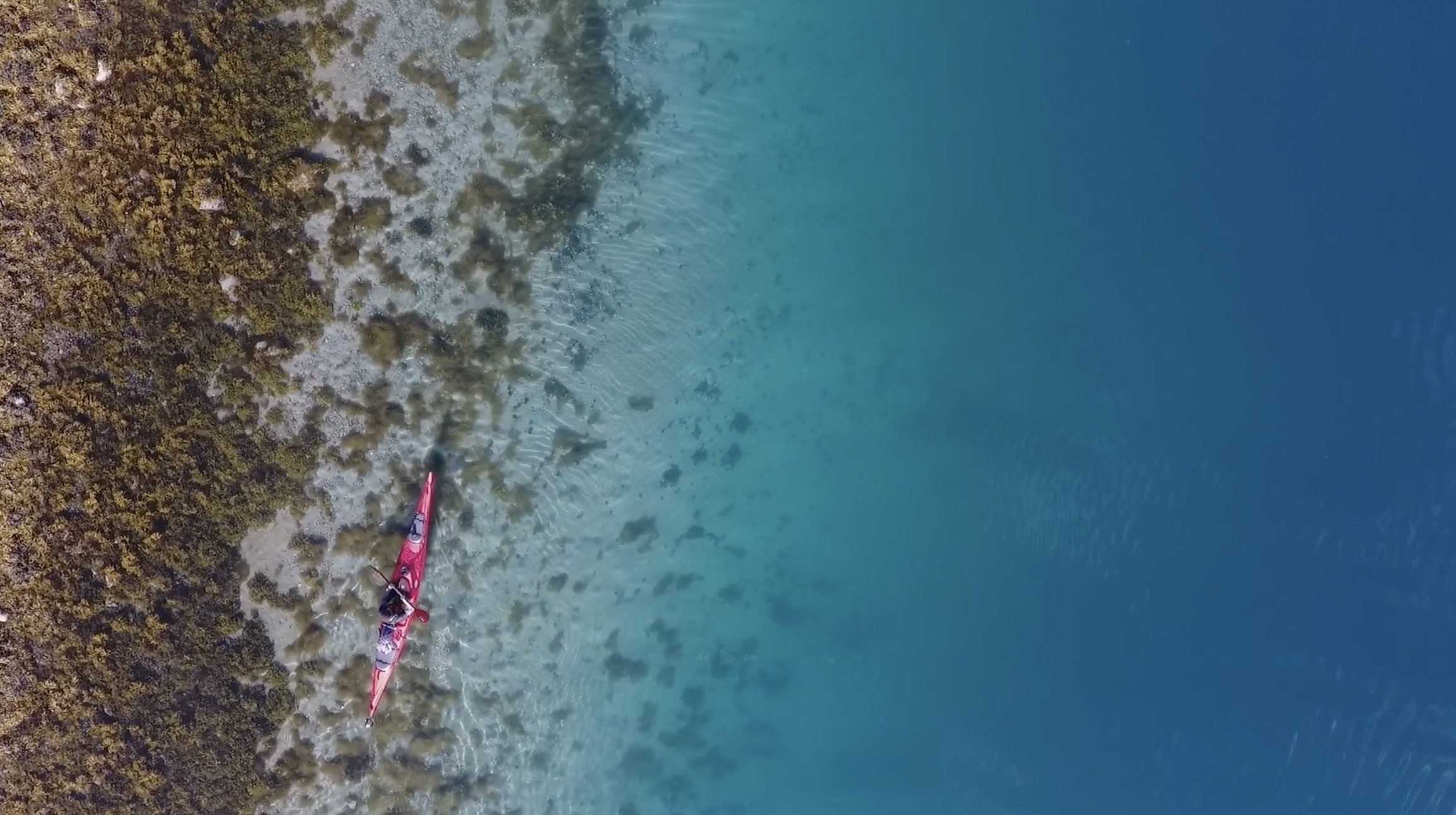
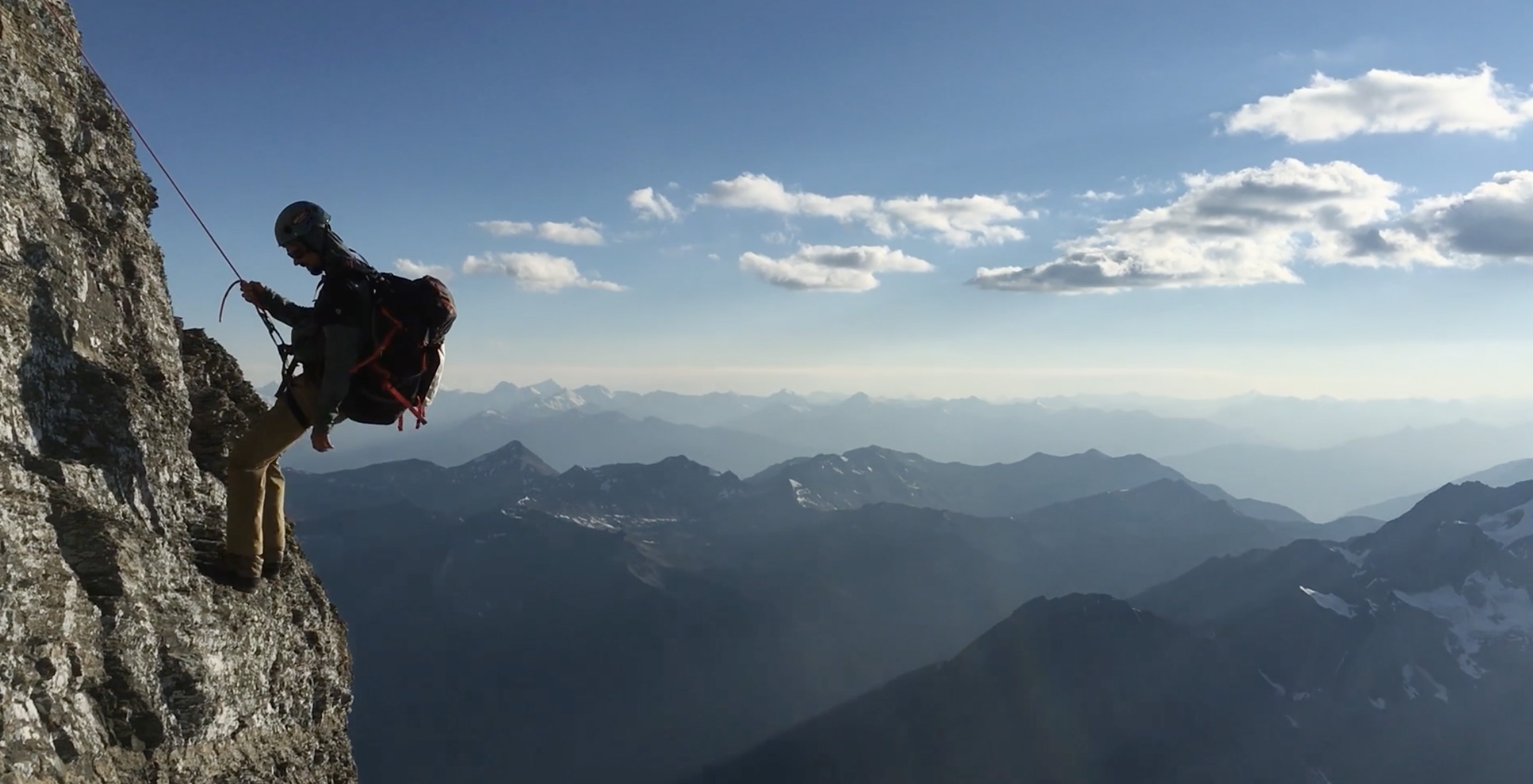
In his films, Mathieu uses many devices to tell these stories, often framing so that the people he’s documenting are very small in the frame. “This shows that no-one is above nature,” he says, “and by putting those little silhouettes in a very wide open and wild environment you can really feel the vulnerability of human beings. We often think we are in control of everything, but nature shows it will run its course no matter what.”
“I also like to play with light as a way of immersing the viewer in that experience,” he says. “For example, to start the film in some darker environment and emerge into light. I feel the light is coming out from my characters, in the way that they’re shedding understanding on the audience.”
 © Mathieu Le Lay
Despite the harshness of the environments and many of the themes he is dealing with, such as climate change and habitat loss, this approach brings a sense of hope to Mathieu’s films. “I think my work is not so alarmist these days,” he explains. “At least, that is to say, I am trying to be more optimistic. I see the changes happening everywhere, so there is no way to not even mention it in my films, but I like to still show beauty and document people being sensitive about our natural world.”
“Both animals and humans, we are all facing the same issue about climate change, so we have to adapt. I try to share the fact that the world is changing, but in a more poetic way. To show the positives of adaptation and the ways that people can live if they want to.”
 © Mathieu Le Lay
Mathieu also expects adaptation from his gear. Currently he’s using the Sony FX9 digital cinema camera, a filmmaker’s dream tool with its 8K sensor and 16 stops of dynamic range coming in a truly lightweight and compact body. It’s a camera that allows him to work in any light or location, he says.
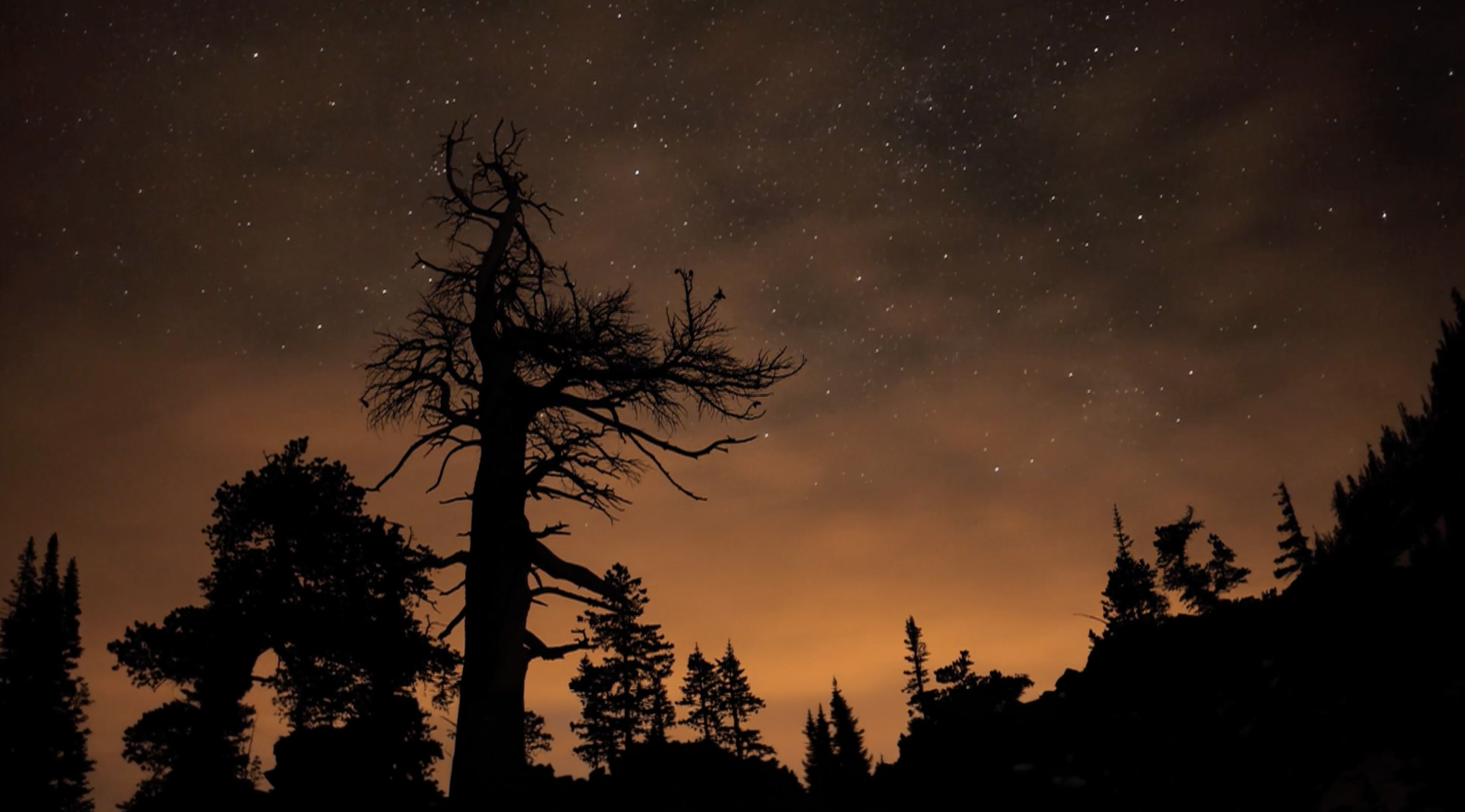
“Like I said, I always try to make my films in the most authentic way possible,” he says. “I’m trying to disappear, so that I can document the real side of nature. That means working with natural light, even when filming people. I certainly don’t want to use lamps, because I want them to be themselves and not ‘act.’ In fact, to understand them, to create the connection I want, I have to live the same way. Working in all weathers, sleeping outside, sometimes just in a sleeping bag on some mountain peak.”
 © Mathieu Le Lay
“The size and weight of the Sony FX9 camera means it’s not obtrusive at all,” he says. “And I don’t need to use a tripod because the image stabilisation is brilliant, and it works with any PL or E mount lens you want to use on it.”
“The FX9 also comes with a very nice shotgun mic,” he continues, “so that I can get that sense of raw conditions in the audio, too. The sounds of wind and water, birds and mammals all add to the connection. FX9 is a tool that allows complete immersion which is vital in storytelling.”
Finally, does he think this approach can have an impact? Can showing this kind of beauty save the world? “I think that it’s the trying that’s essential,” Mathieu finishes. “We have to accept that the world is warming fast. Every storm feels new. Every season feels different from the last. My films are an attempt to find some anchor, some handhold in the change. The Earth isn't just scenery, it's the ground we stand on. When you see your life deeply connected to the land, you realise something clear. It’s fragility that connects us. We are never above nature.”
Featured products


Mathieu Le Lay | France
"Filmmaking is my way of exploring nature’s mystery and beauty."


