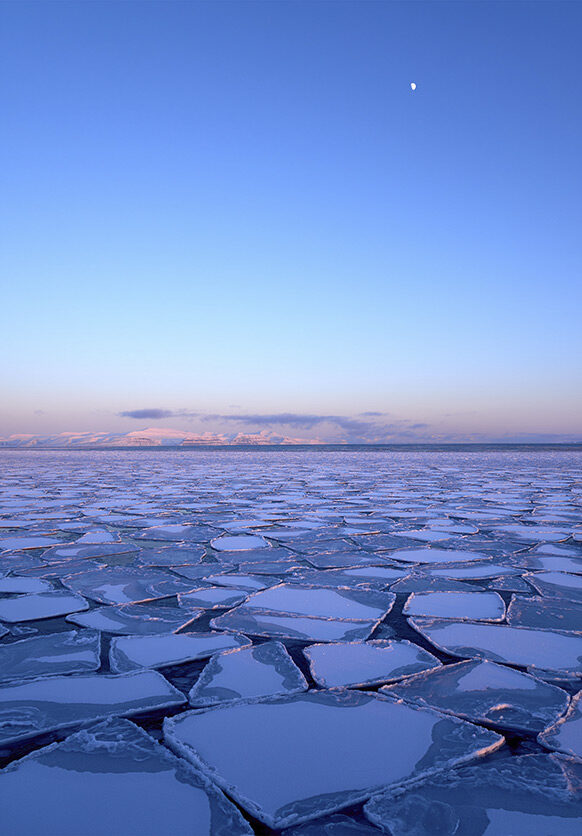
Lost and Found
Tobias Hägg
“You can learn a lot about yourself out here,” says Tobias Hägg, “and that’s one of the attractions of this place.” ‘Here’ is Swedish Lapland, a province forming the northernmost edge of the country as it pushes up into the edge of the Arctic Circle.
Lapland is big. It covers almost a quarter of Sweden’s total landmass, making it about the same size as Portugal and twice that of the whole of Switzerland. And it’s extreme, boasting the coldest conditions in the country, often down to -40ºC, along with its highest mountain, the twin- peaked Kebnekaise or ‘Cauldron Crest,’ capped by an ice-free peak of just over 2,096m and brooding glacier which rises and falls with seasons.
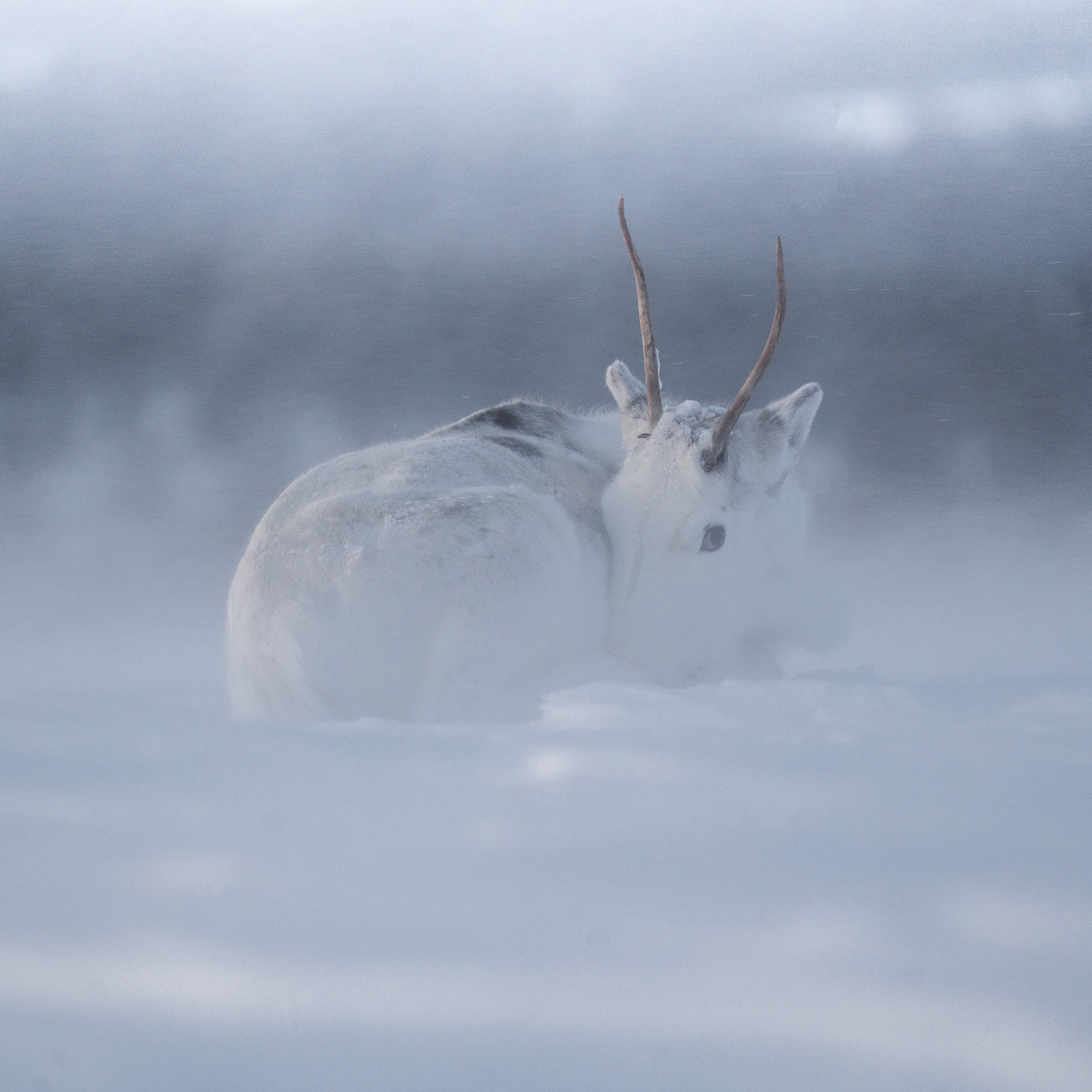 © Tobias Hägg | Sony α7R IV + FE 100-400mm f/4.5-5.6 GM OSS | 1/640s @ f/5.6, ISO 800
Containing the Vindelfjällen Nature Reserve, as well as other protected areas, its glacial valleys, lakes and forests are home to reindeer, moose, bears, wolverines, lynx and arctic foxes. Yes, Lapland is big. And beautiful. And dangerous.
Viewing Tobias's images, it’s easy to lose yourself in the beauty of the wilderness, but as he points out, there’s also a very literal danger of becoming disorientated, cut off, or missing your ride home. “That happened once to me, and it was pivotal,” he remembers. “I’d been up early shooting a sunrise and was supposed to get picked up by a helicopter, but then thick fog rolled in, and I had to camp for two extra days until it lifted.”
An easy place to get lost, therefore. But also, one where it’s possible to find yourself. That was an experience that Tobias took in his stride, and which left a wholly positive impression on him, strengthening his love affair with Lapland. “That was the first time I really understood the wilderness,” he says. “The danger and the loneliness make you feel alive.”
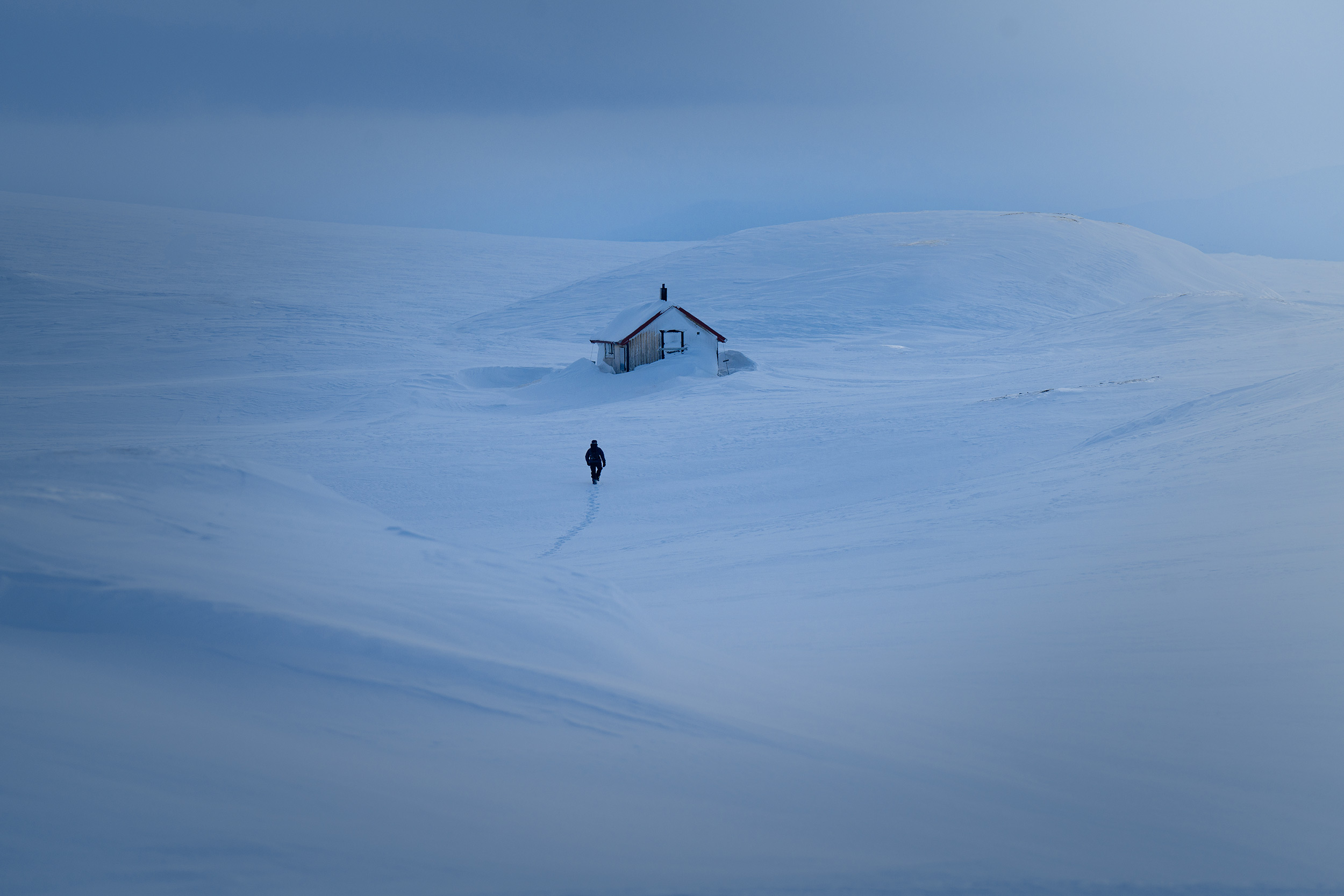 © Tobias Hägg | Sony α7R IV + FE 70-200mm f/2.8 GM OSS II | 1/500s @ f/5.6, ISO 100
For Tobias, looking back, his growing appreciation of his homeland was a symbol of personal development. “When I started out in photography, I wanted to see the world. For me Sweden was never that inspiring, because it was where I was from, right? You see the forests and lakes, and the natural beauty, but it sort of washes over you… it’s something you notice while going skiing. It was ordinary.” The Swedes apparently call this ‘home-blindness’.
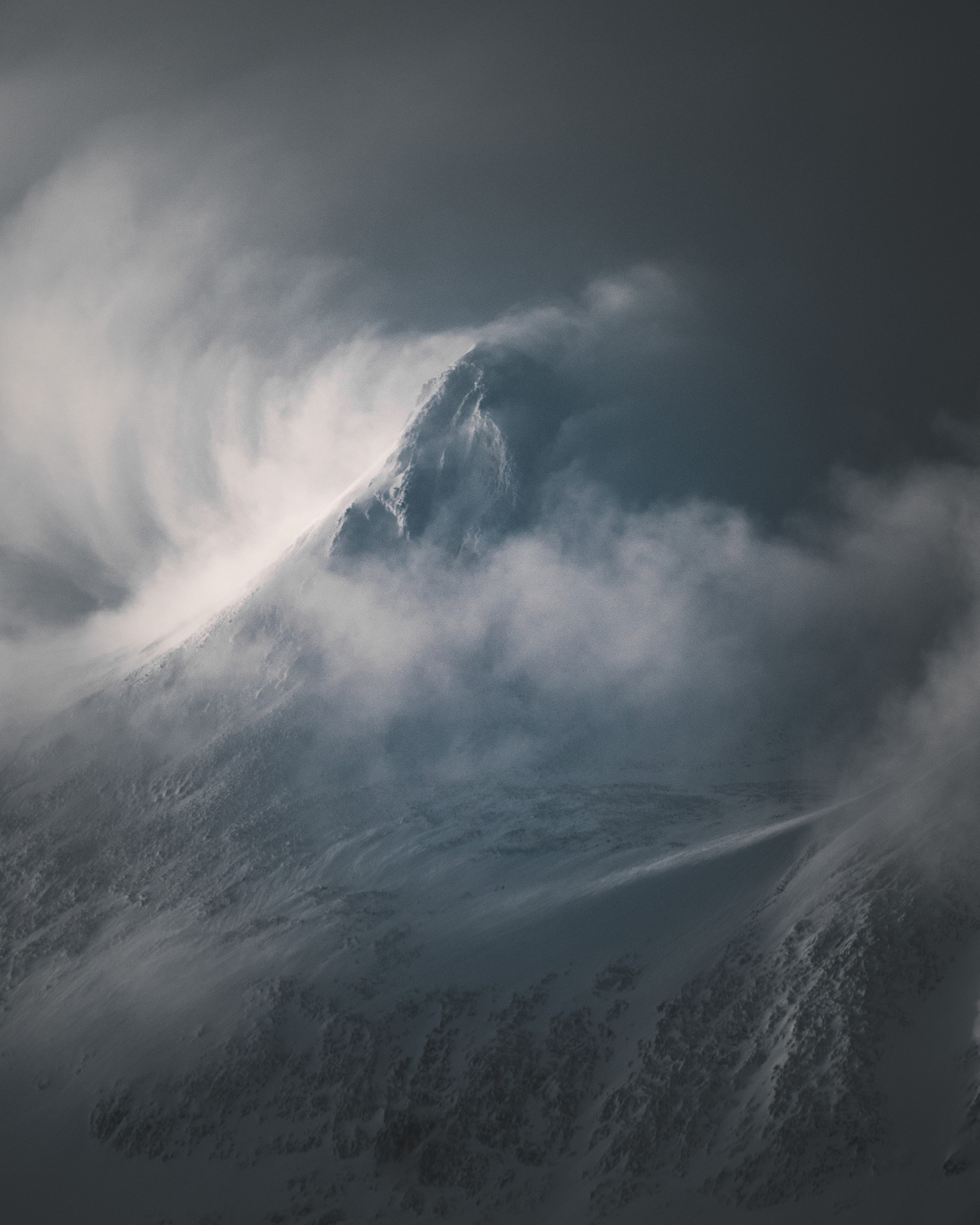 © Tobias Hägg | Sony α7R II + FE 100-400mm f/4.5-5.6 GM OSS | 1/2500s @ f/5.6, ISO 320
“I knew about Swedish Lapland, of course, but it’s like a country within a country, and people don’t normally go that far north. So, I carried on travelling the world to experience bigger mountains and taller waterfalls, always trying to beat the impact of the previous destination. But I was never satisfied with the way that I’ve been since my gaze turned back home. When I finally got up to Lapland,” he continues, “it felt like something very new, but also very personal to me. That was the seed. That’s how I fell in love with it.”
His desire now is to document Lapland in a way that shows its incredible natural beauty, alongside its daunting size and inhospitable conditions. In effect, he wants to make others understand what he feels in visiting the far north. It’s not an easy task, but it’s one that his images are delivering on. So, what does it take to chronicle such a place? “That’s another one of the nice things,” he smiles. “Lapland really makes you earn your photos.”
“The project’s geographical scope is massive – you could say it’s as big as the territory itself,” he says. “There are very few roads up there, and weather changes all the time, so areas can be almost inaccessible at one time of the year or other. It’s a place that I needed to find the right response to, photographically, because it wasn’t normal to me, working with a landscape that’s so vast and empty.”
Helping him out, Tobias says, are his Sony Alpha cameras and lenses, including the Alpha 7R IV and lenses like the FE 16-35mm f/2.8 GM, FE 24-70mm f/2.8 GM, FE 70-200mm f/2.8 GM OSS II and FE 100-400mm f/4.5-5.6 GM OSS. “With the lack of roads we hike, ski or use snowmobiles up there,” he reports, “so the small size and low weight is incredibly important. Maybe even more important is how they stand up to extremes of temperature. I’ve been shooting in blizzards and at -40ºC and they don’t miss a beat.”
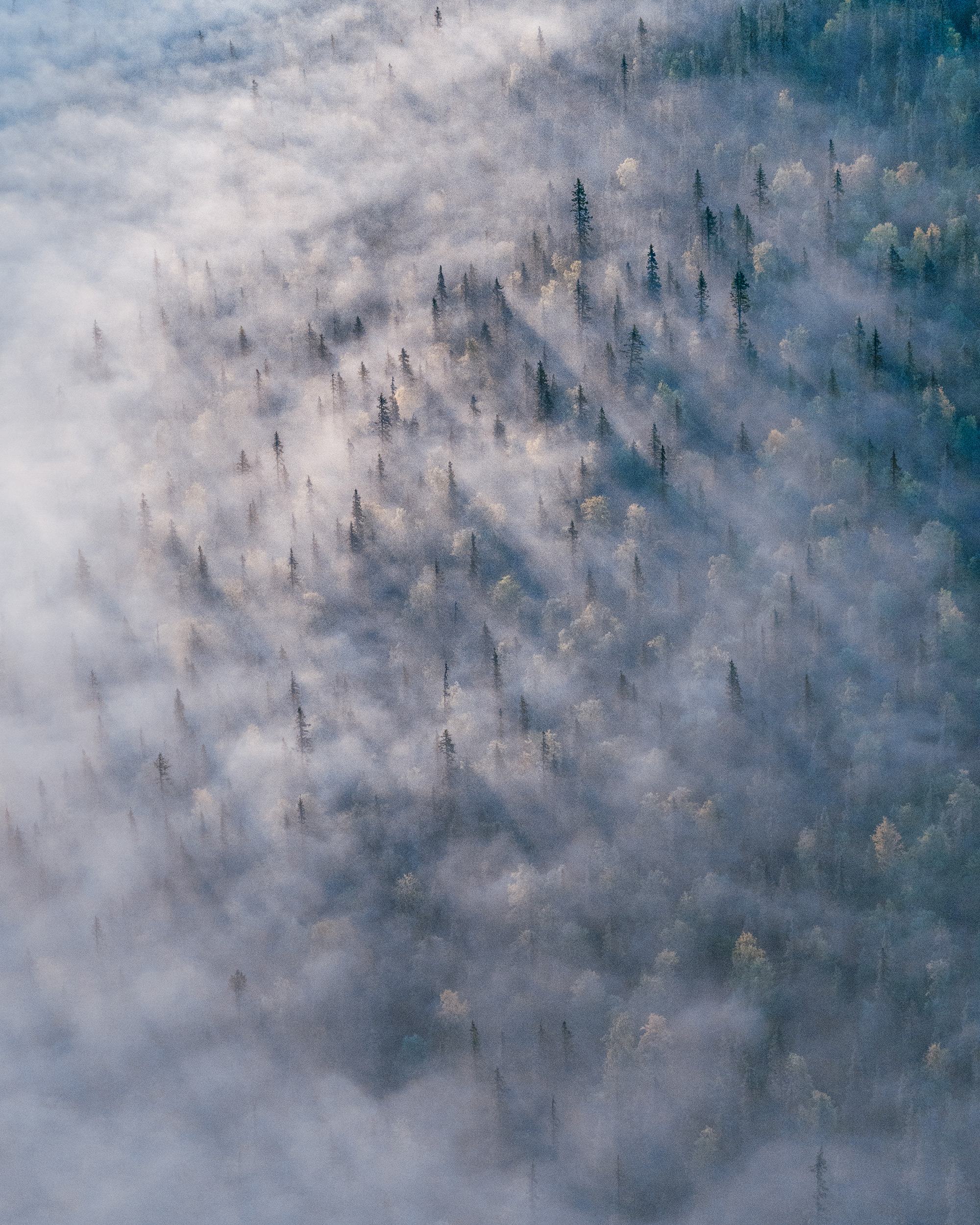 © Tobias Hägg | Sony α7R II + FE 24-70mm f/2.8 GM | 1/1000s @ f/5.6, ISO 800
“And because I want different setups for aerial work, video and day and night landscapes, it’s not just about portability on individual expeditions,” he adds. “It means I can take more with me on long trips. Generally, I take everything I own, and the great thing about the wilderness is, I can leave kit I’m not using in my tent, because no-one is there to steal it!”
One way Tobias interprets the landscape is to photograph it from helicopters. “This means I can cover bigger areas and of course thanks to the full-frame, high-resolution sensors and image stabilisation of my Sony cameras combatting the vibration from the aircraft, I can make images of a higher quality than with a drone,” he says.
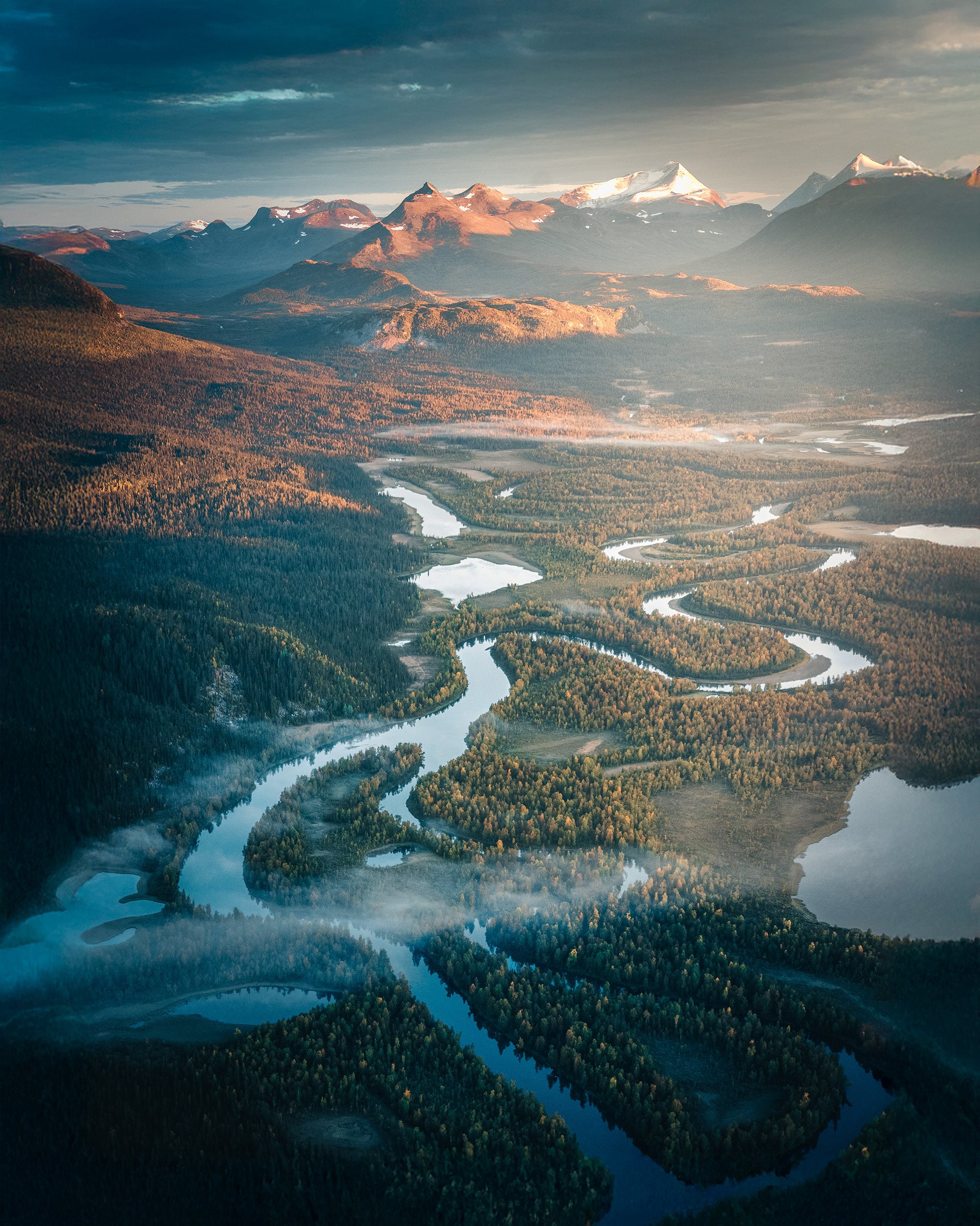 © Tobias Hägg | Sony α7R II + FE 24-70mm f/2.8 GM | 1/250s @ f/5.6, ISO 800
Perhaps his most effective images are those which balance the landscape with a human presence. “Out there, I compose with people in my shots a lot, whether it’s myself, a friend, or one of the local Sámi populations,” he explains. “It contextualizes the scale and often the harshness of wilderness and helps put the viewer in my shoes. Otherwise, the views can be difficult to take in.”
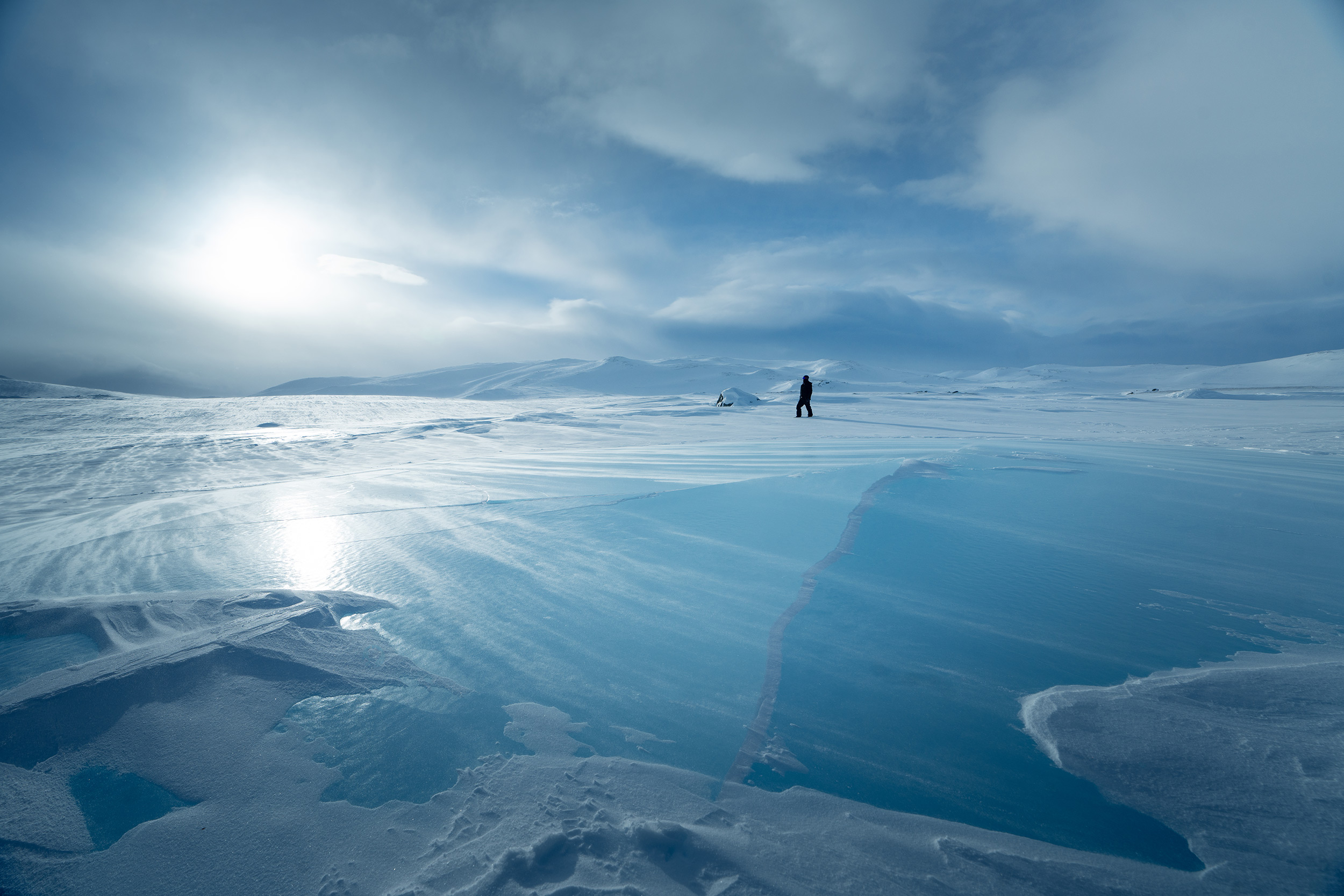 © Tobias Hägg | Sony α7R IV + FE 16-35mm f/2.8 GM | 1/640s @ f/5.6, ISO 800
The value of this is easy to see, particularly in his shots including boats and kayaks traversing the region's pristine lakes, where otherwise the view would verge on abstract. “I’ve also found that images of that type work better as big prints than on small screens, where viewers are more inclined to read them fully than skip past,” he says.
Of course, there is a danger to this eulogising of the wilderness, namely that too many people will come, changing the feeling of a place or even damaging it. “It’s definitely a concern,” admits Tobias, “and whenever you visit these kinds of places, you must be responsible. Fortunately, many of the places simply don’t have names, or are so difficult to reach that most people wouldn’t even think about going there. And if I manage to capture endangered species like arctic foxes, I make sure that I don’t publish anything that gives the location away.”
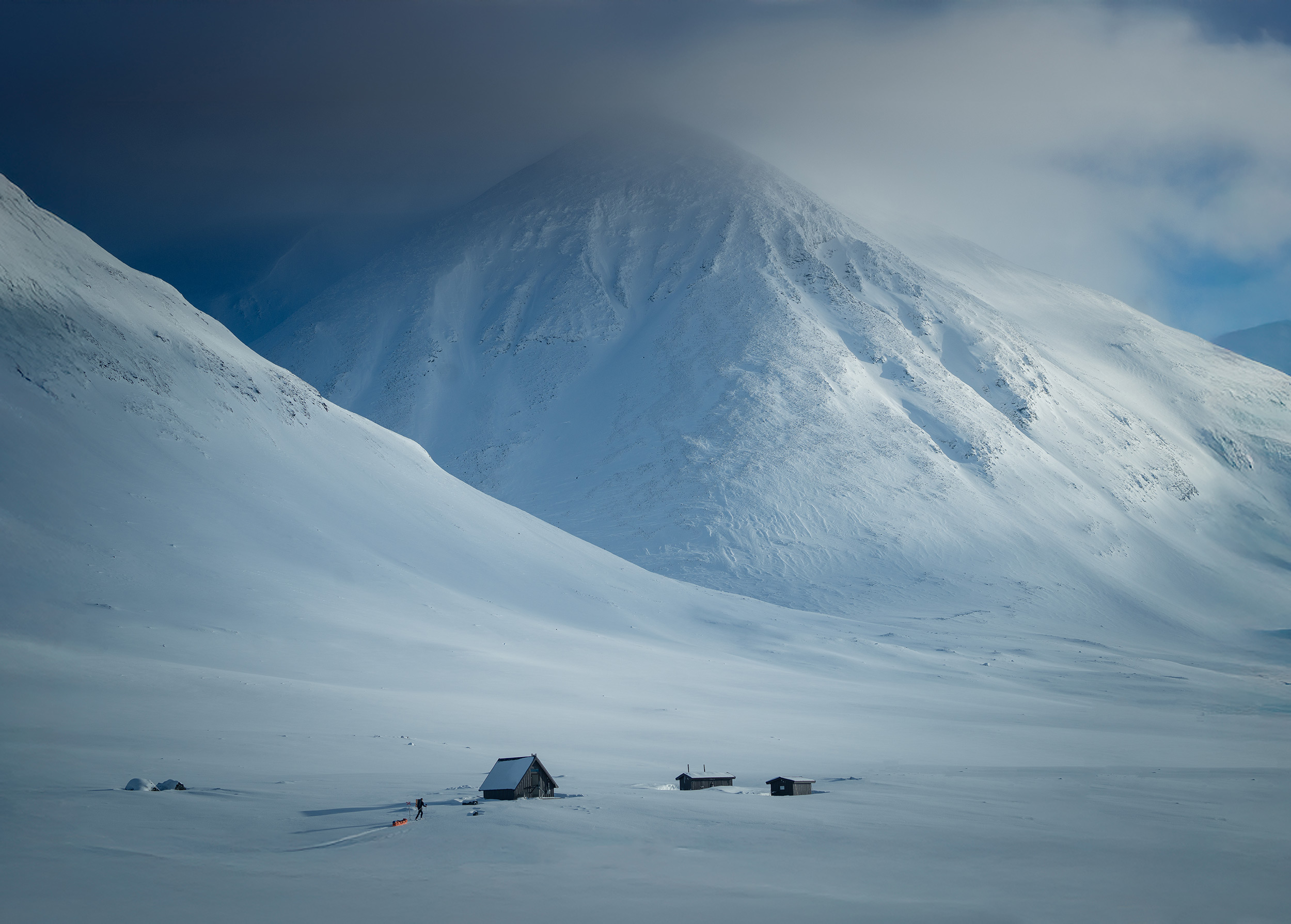 © Tobias Hägg | Sony α7R IV + FE 100-400mm f/4.5-5.6 GM OSS | 1/3200s @ f/4.5, ISO 100
My relationship with Lapland is now in its sixth year,” he finishes, “but I can’t see it ending any time soon, or perhaps ever. It’s a project that started out of nothing, but with has changed me a lot in that time. And change is something that I’m looking to document more and more in the landscape, too.”
“For instance, I want to show how climate change is contributing to the shrinking of the glaciers on the Kebnekaise massif, and how the Sámi people are responding to that and other like mining and deforestation. My experiences there have given me new pride in the Swedish landscape, and in myself. When I started it was all about getting a picture I could take home, but now it’s as much about adventure, the exploration, and just existing in that place. Even if I wasn’t photographing it, I would go back again and again, but hopefully with a little help from my Sony gear, Lapland is a place I can help to protect, too.”