
Pushing the Limits with the Sony FE 400-800mm f/6.3-8 G OSS
Sasan Amir
Wildlife photography is about capturing fleeting moments - expressions, movements, and interactions that happen in an instant. To do that, you need reach, speed, and uncompromising image quality. When I first got my hands on the new Sony FE 400-800mm f/6.3-8 G OSS, I knew this would tick a lot of those boxes.
At first glance, the lens stands out for its balanced design, despite its extended focal range. The weight distribution is well thought out, making it comfortable to use for long handheld sessions. While super-telephoto lenses often feel front-heavy, this one maintains an impressive equilibrium - whether mounted on a tripod, gimbal, or handheld for quick shots. 'Feels like home' would describe it quite well, as it is very similar to one of my favourite lenses, the FE 200-600mm f/5.6-6.3 G OSS.
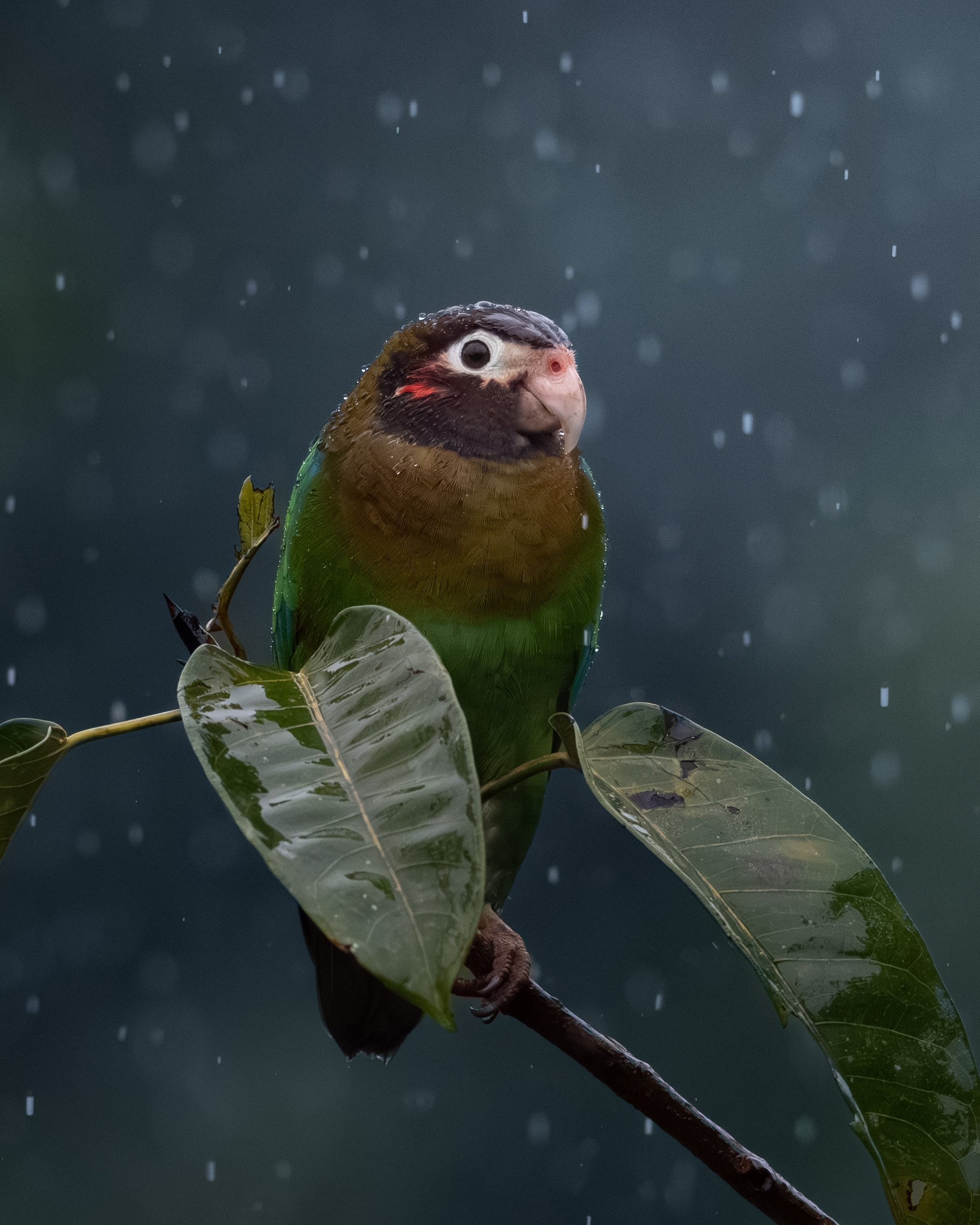 © Sasan Amir | Sony α9 III + FE 400-800mm f/6.3-8 G OSS | 1/1600s @ f/7.1, ISO 6400
One of my biggest questions was how well the lens would handle 1.4x and 2x Teleconverters. The results? Absolutely stunning. The autofocus remained fast and accurate, and the image sharpness held up impressively even at 1600mm with the 2x Teleconverter.
 © Sasan Amir | Sony α1 II + FE 400-800mm f/6.3-8 G OSS + 2x Teleconverter | 1/320s @ f/20, ISO 1600
Of course, you’re losing some light by using a converter, but with my Alpha 1 II, I can happily shoot at ISO 1600 and upwards to offset the light reduction. The 1.4x Teleconverter proved to be equally as sharp.
 © Sasan Amir | Sony α1 II + FE 400-800mm f/6.3-8 G OSS + 1.4x Teleconverter | 1/125s @ f/11, ISO 1250
Having worked extensively with Sony’s FE 200-600mm f/5.6-6.3 G OSS since the release back in 2019, I expected this new lens to be an evolution of that concept. But the 400-800mm takes it a step further, offering greater reach without sacrificing sharpness or speed. The internal zoom design also prevents balance shifts, making it an excellent choice for tracking fast-moving subjects. Also, f/8.0 is a great deal for 800mm!

Resolution is where this lens truly shines. Even at 800mm, the images retain stunning detail from edge to edge, with minimal distortion and zero chromatic aberration. Wildlife photography demands precision, and this lens ensures that every feather, fur texture, and eye detail is rendered with absolute clarity. Tested on the Alpha 1 II and Alpha 9 III, the sharpness and AF-Speed are at least on the same level as the FE 100-400mm f/4.5-5.6 GM OSS in my opinion.
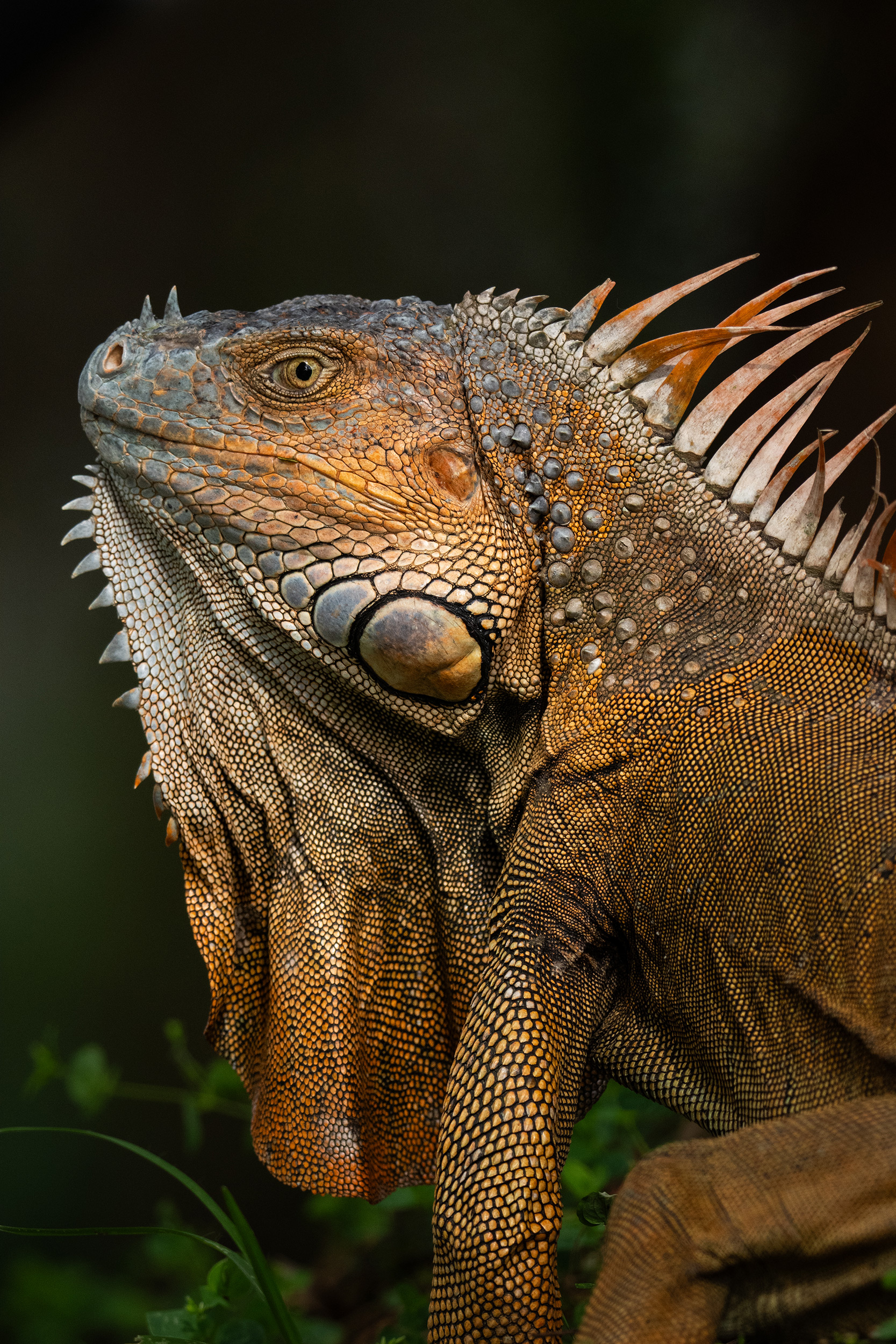 © Sasan Amir | Sony α1 II + FE 400-800mm f/6.3-8 G OSS | 1/800s @ f/8.0, ISO 800
The art of how depth of field is generated is one of the most important points when it comes to the final image in my opinion. The aperture offers 11 blades which create together an outstanding bokeh. Calm, clean and artistic as you can see below.
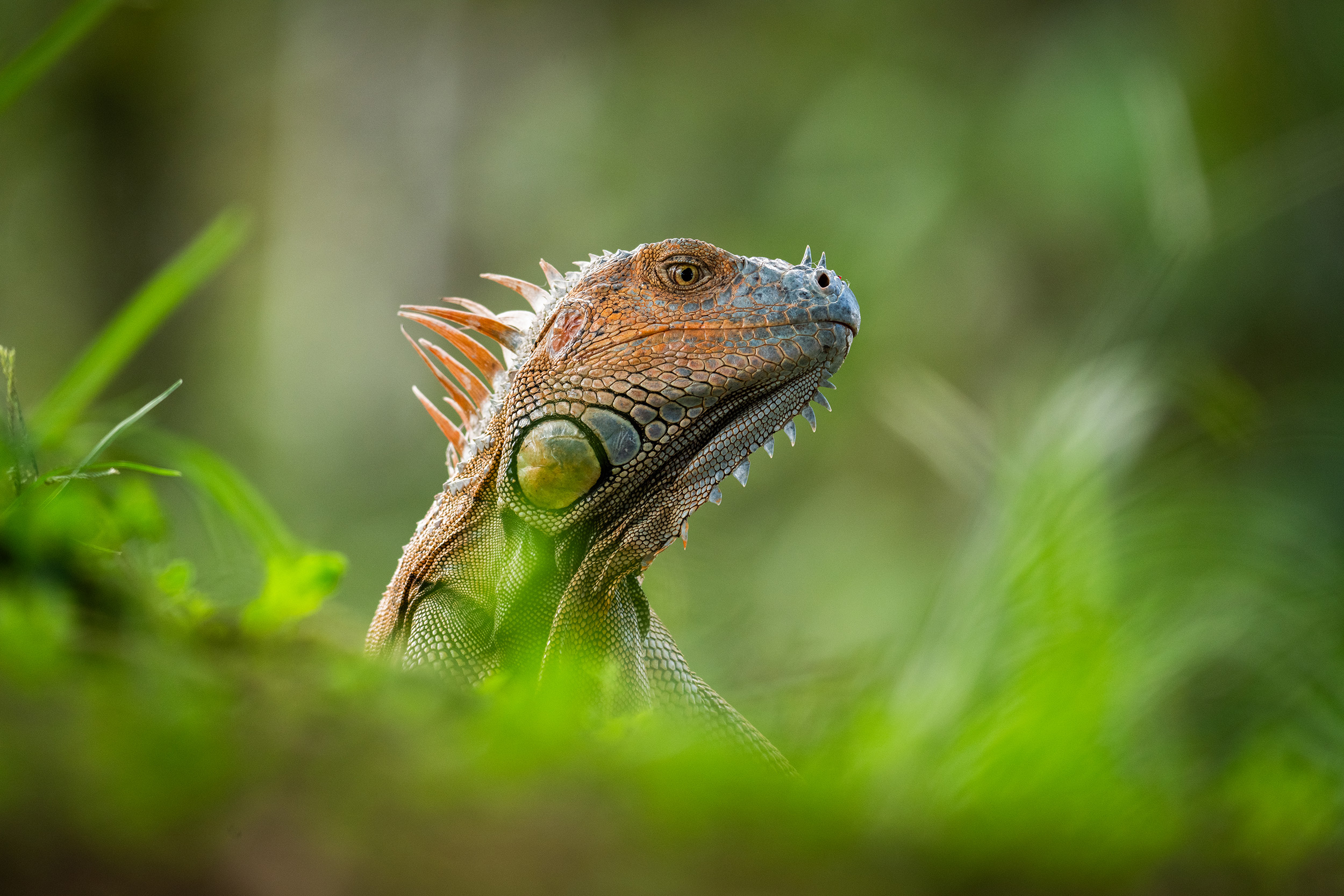 © Sasan Amir | Sony α1 II + FE 400-800mm f/6.3-8 G OSS | 1/250s @ f/8.0, ISO 640
Despite its size, the lens feels surprisingly manageable in the field. The aperture and high-quality stabilisation allow for handheld shooting, which is a huge plus when tracking moving subjects in unpredictable environments. Whether shooting in the dense rainforest or the open savannah, the convenience of this zoom range makes it an indispensable tool. The image stabilisation works flawlessly with the camera's IBIS system, making it even possible to film handheld with the Sony Alpha 1 II in 4k 60P at 800mm and APS-C mode (field of view of 1200mm focal length lens) and active dynamic stabilisation turned on!
 © Sasan Amir | Sony α9 III + FE 400-800mm f/6.3-8 G OSS | 1/2500s @ f/9.0, ISO 500
One of the most impressive aspects of this lens is its perfect balance with professional camera bodies. Whether paired with a full-frame mirrorless or a high-speed APS-C model, it feels natural and stable, reducing fatigue over long shooting sessions. Tracking birds in flight with 800mm is not an easy job – that's why perfectly balanced lenses are crucial for my workflow. All my birds-in-flight shots are handheld and although its my first time using such a super-telephoto lens it worked out very promising. Another important point is that I just need to turn the zoom ring a quarter to go from 400mm to 800mm. While zooming in or out the balance of the lens stays the same as it has an internal zoom, which makes it much smoother to use. Also, the risk of dust getting inside the lens is much less compared to a regular extension zoom system.
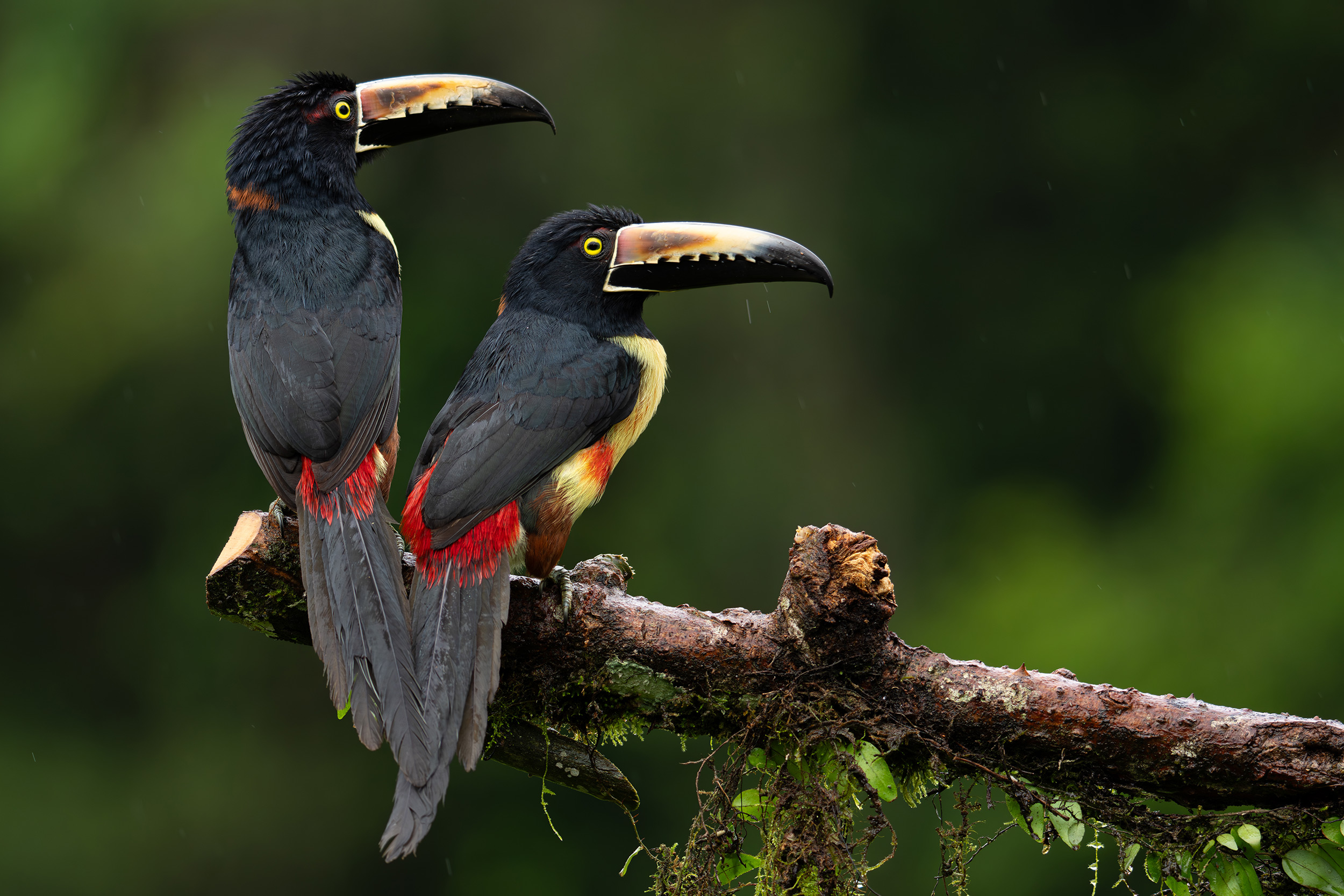 © Sasan Amir | Sony α1 II + FE 400-800mm f/6.3-8 G OSS | 1/250s @ f/6.3, ISO 800
Therefore, speed is everything in wildlife photography, and this lens delivers super-fast autofocus. It locks onto subjects instantly and tracks movement effortlessly, even in dense foliage or against complex backgrounds. I really can't ask for more than that in those precious seconds before I press the shutter release.


