
Travel Light, Reach Further
Wanda Michal Narożni
Balancing full-time careers with wildlife photography means every minute of golden hour is borrowed time. When field time is limited, gear cannot be a burden - it has to help you move faster, react sooner and stay longer.
When Sony handed us the new FE 400mm f/4.5 GM OSS and FE 600mm f/6.3 GM OSS lenses, we decided to take them on a full-day bike trip along the Baltic coast during bird migration season. The plan was simple: explore wild coastal trails, wetlands and surrounding forest, testing the lenses in wet conditions.
First impressions: removing the burden
Forget the image of a wildlife photographer buried under heavy bags, multiple camera bodies, massive telephoto glass and a tripod for every possible scenario. These lenses create a very different feeling: stepping into the field agile, unburdened and ready to react before the moment disappears.
The first thing we noticed, apart from their surprisingly compact size, was the balance. Both lenses sit comfortably in the hand, and that matters immediately. A lens that is light and well balanced is a lens you actually want to carry and use.
We started at the Vistula river mouth, photographing waders foraging among beach stones and shells. Shorebird photography often requires a low perspective and quick adjustments as birds move and waves splash the shore. Shooting handheld, we had complete freedom to reposition. When your gear does not slow you down, your creative vision has more room to unfold.
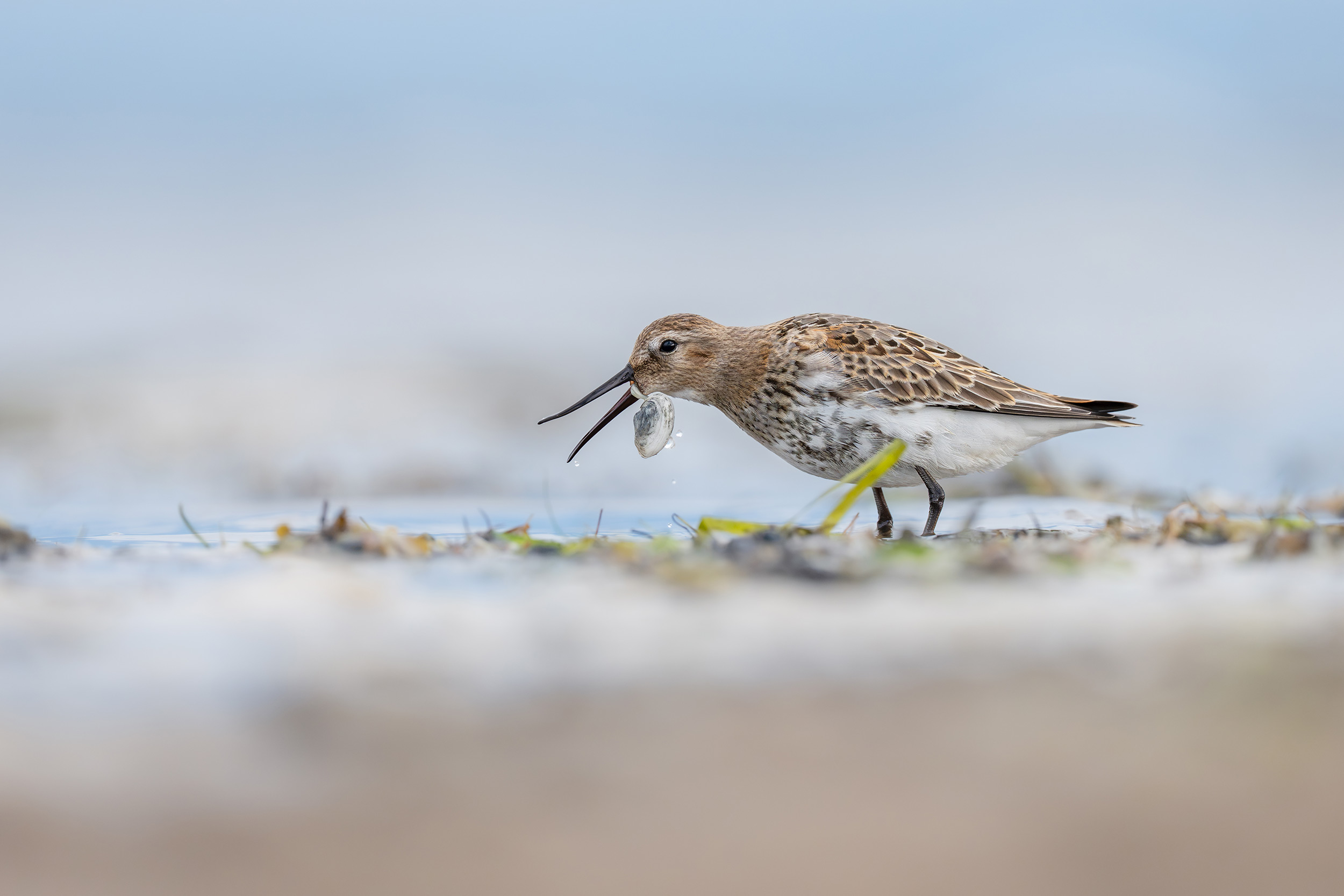 © Wanda Michal Narożni | Sony α1 II + FE 400mm f/4.5 GM OSS | 1/4000s @ f/4.5, ISO 2000
Lower weight means less fatigue, steadier handling and more freedom in awkward shooting positions. Nature almost never poses, so that comfort can make the difference between being ready and missing the moment.
This became especially clear while photographing seals from a boat. Normally, stabilising a long lens from a moving deck takes real stamina, and the number of sharp frames can be low. With these lenses, we managed to shoot from a relatively low perspective, hanging over the deck with the lenses just above water level. Paired with the Sony Alpha 1 II, autofocus and tracking made the whole experience manageable and enjoyable. With AI subject recognition and eye tracking locked onto the seals, our biggest challenge was simply keeping the composition as the boat moved with the waves.
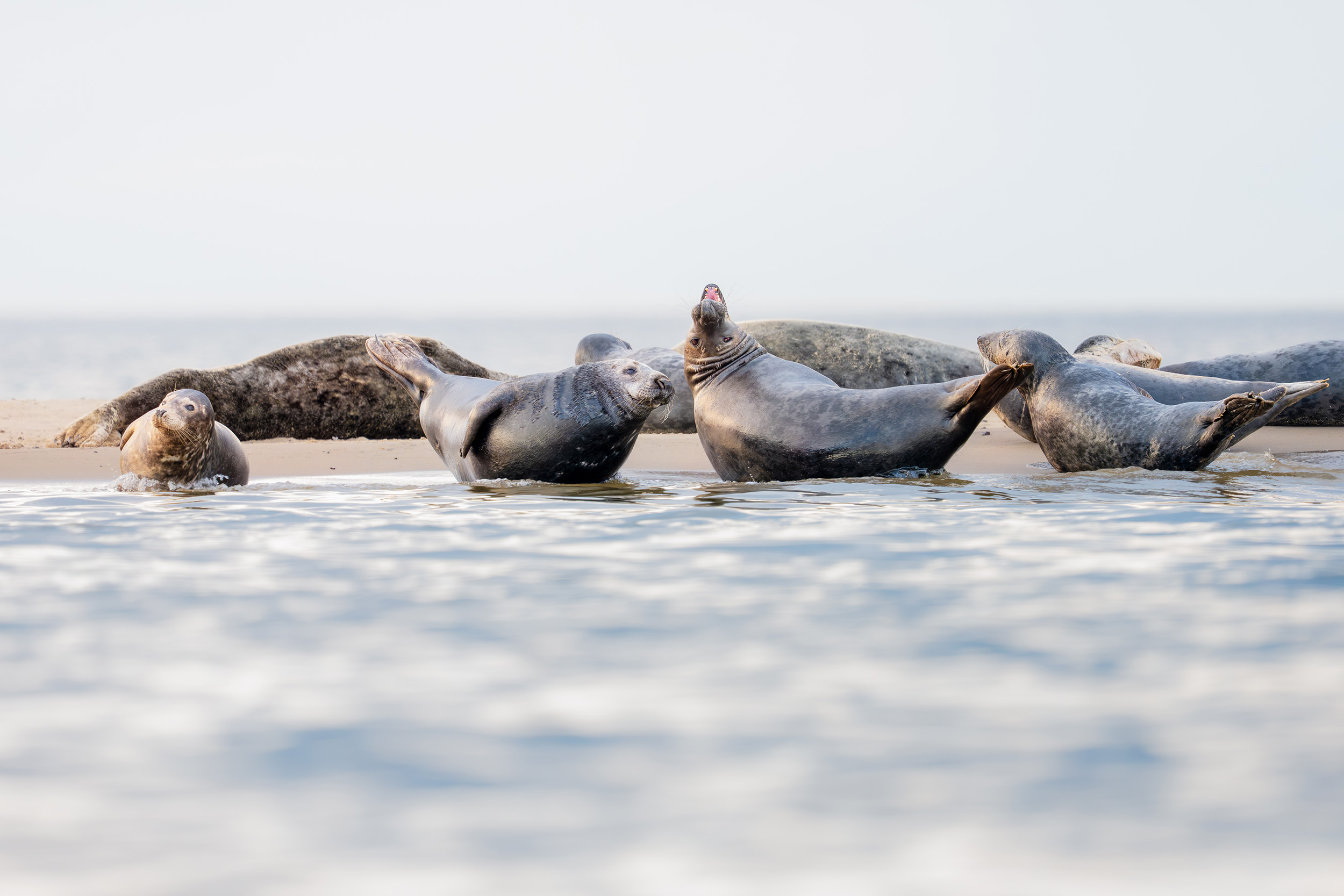 © Wanda Michal Narożni | Sony α1 II + FE 600mm f/6.3 GM OSS | 1/320s @ f/6.3, ISO 2500
In practice, the biggest change was how naturally these lenses fit into real outdoor conditions. Whether we were walking coastal trails, shooting from the beach or exploring wetlands, we could pack them into our backpacks and go. That is something we would be far less eager to do with a much heavier setup. Instead of planning every move around the gear, we could be spontaneous while still having professional image quality ready whenever an opportunity appeared. The gear became a companion.
Some wildlife images are planned through hours of observation and patience. Others happen in seconds, when readiness meets luck. One afternoon, we were relaxing at the beach with our daughter when another family began tossing food to the seagulls. Suddenly, the quiet scene exploded into movement. Birds appeared from every direction, diving, swooping and skimming the water. Almost instinctively, we reached for the camera. Seconds later it was over, but we had the shot - a reminder that sometimes the best wildlife moments find you when you least expect them.
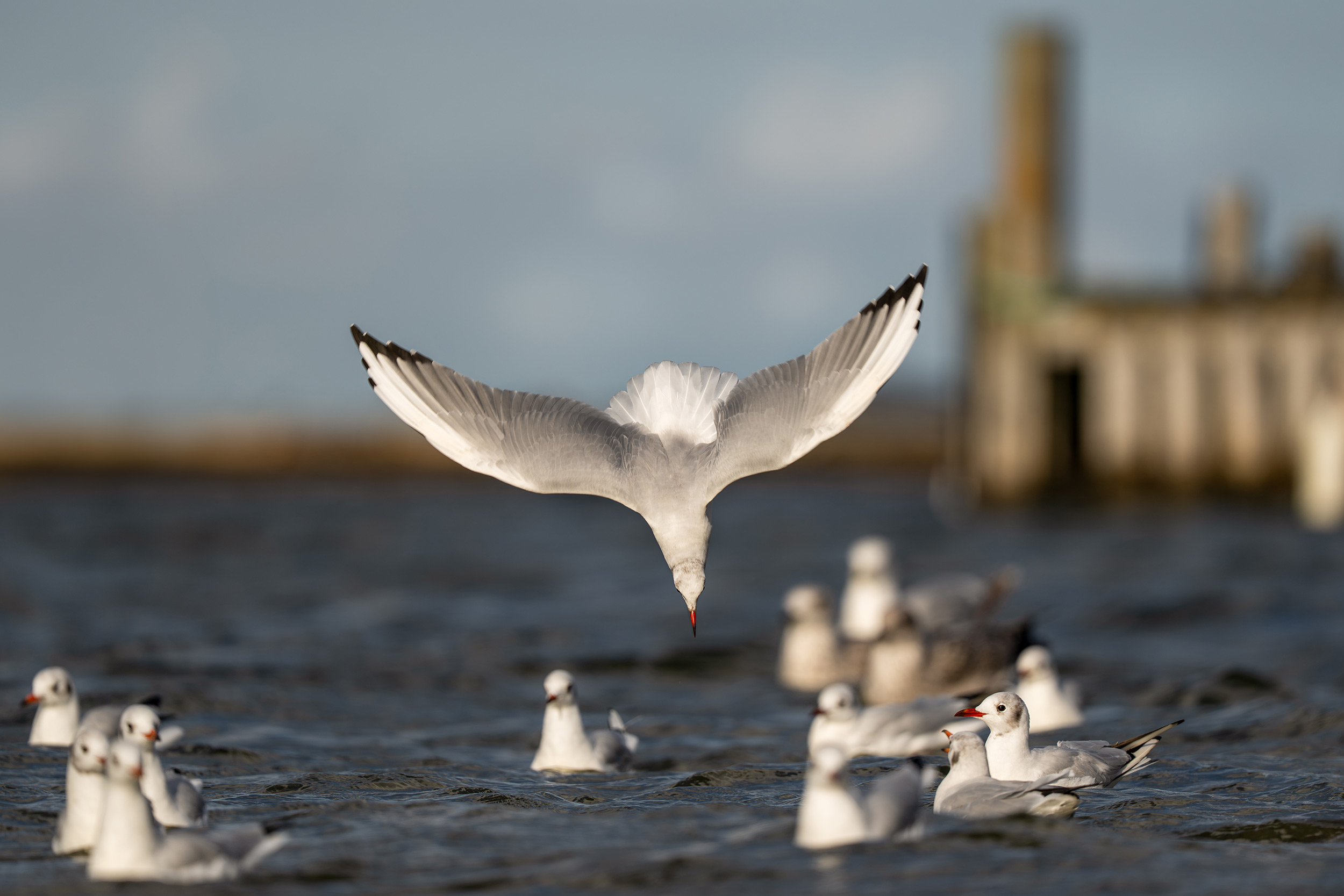 © Wanda Michal Narożni | Sony α1 + FE 400mm f/4.5 GM OSS | 1/2500s @ f/4.5, ISO 200
Both lenses offer classic wildlife focal lengths. The 400mm strikes a beautiful balance between reach and versatility, making it ideal for mammals, larger birds in flight and environmental images. The 600mm gives that extra reach needed for smaller or more distant birds.
We used both interchangeably, depending on whether we wanted to tell more of the story through the environment or focus closely on the subject itself. Despite the weight savings, image quality was exactly what we expect from G Master lenses: sharp, detailed and reliable across the frame.
Both lenses produce images with excellent detail, which is especially important when photographing distant birds. They also render beautifully smooth out-of-focus areas, creating strong depth and subject isolation while keeping the bokeh subtle and pleasing. Shooting into the sun was equally impressive, with no distracting ghosting, flare or loss of contrast in our experience.
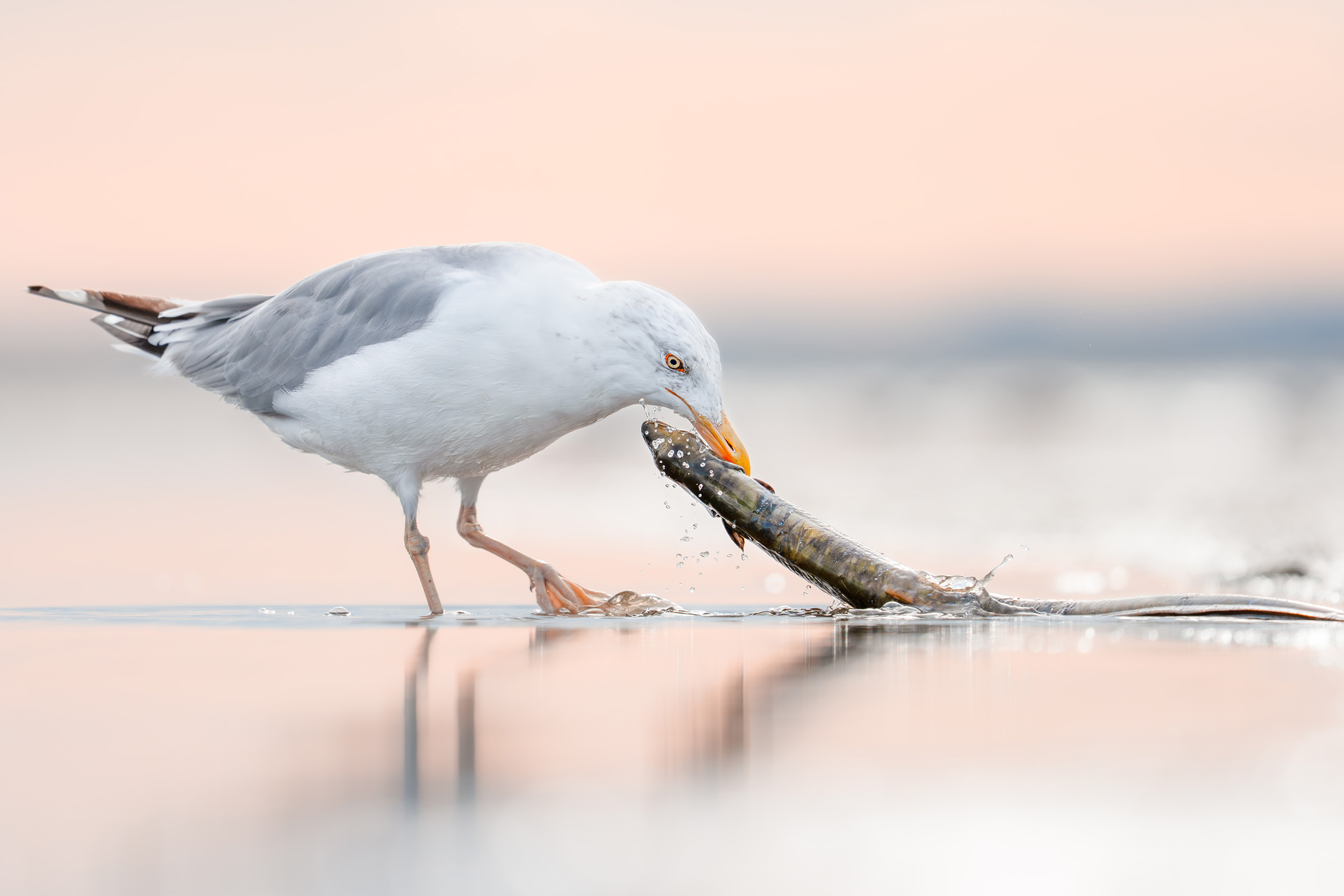 © Wanda Michal Narożni | Sony α1 II + FE 600mm f/6.3 GM OSS | 1/1600s @ f/6.3, ISO 1000
Performance in action
Teleconverters are always an important test for wildlife lenses. You can almost always use more reach and knowing you have that option gives confidence in the field.
We visited an old torpedo testing station where the overgrown structures now serve as resting places for terns, gulls, mergansers and mallards. A common merganser sat calmly in soft overcast light, giving us the perfect chance to test different focal lengths. Even with teleconverters, the results stayed crisp and detailed, with fine texture visible across the feathers and body.
Another thing that impressed us was the close focusing distance. With small birds, this can make a huge difference. We first noticed it while photographing dunlins, some of which came so close they almost seemed ready to walk into the lens. Later, we experimented more at home and understood why: both lenses focus at around 2.5 metres, allowing surprisingly small subjects to fill the frame. The 600mm reaches a reproduction ratio of around 0.25x, opening up creative possibilities beyond distant wildlife.
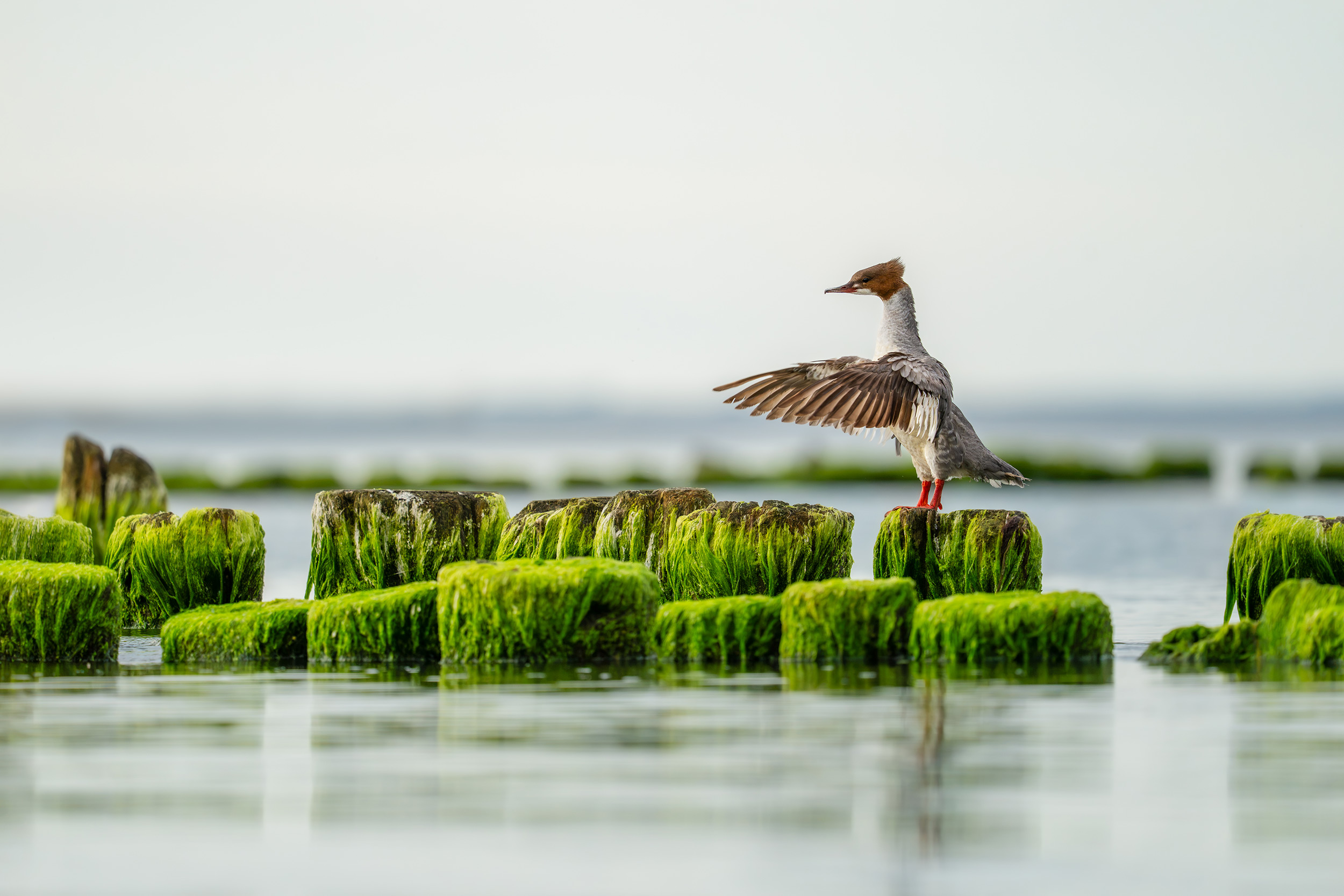 © Wanda Michal Narożni | Sony α1 + FE 600mm f/6.3 GM OSS | 1/800s @ f/6.3, ISO 2000
Optical image stabilisation is built into both lenses and genuinely helps when shooting handheld. Combined with the lightweight design and in-body stabilisation, we could work at slower shutter speeds than expected, even with teleconverters. For still subjects, shooting short bursts at 1/100s or 1/200s often gave us sharp results while keeping the ISO lower.
The weather also gave us a proper coastal test. Rain, sea spray and sudden changes in conditions are part of life here, and the lenses handled it without issue. While the gear only needed a quick wipe with a towel, we definitely needed a full change of clothes.
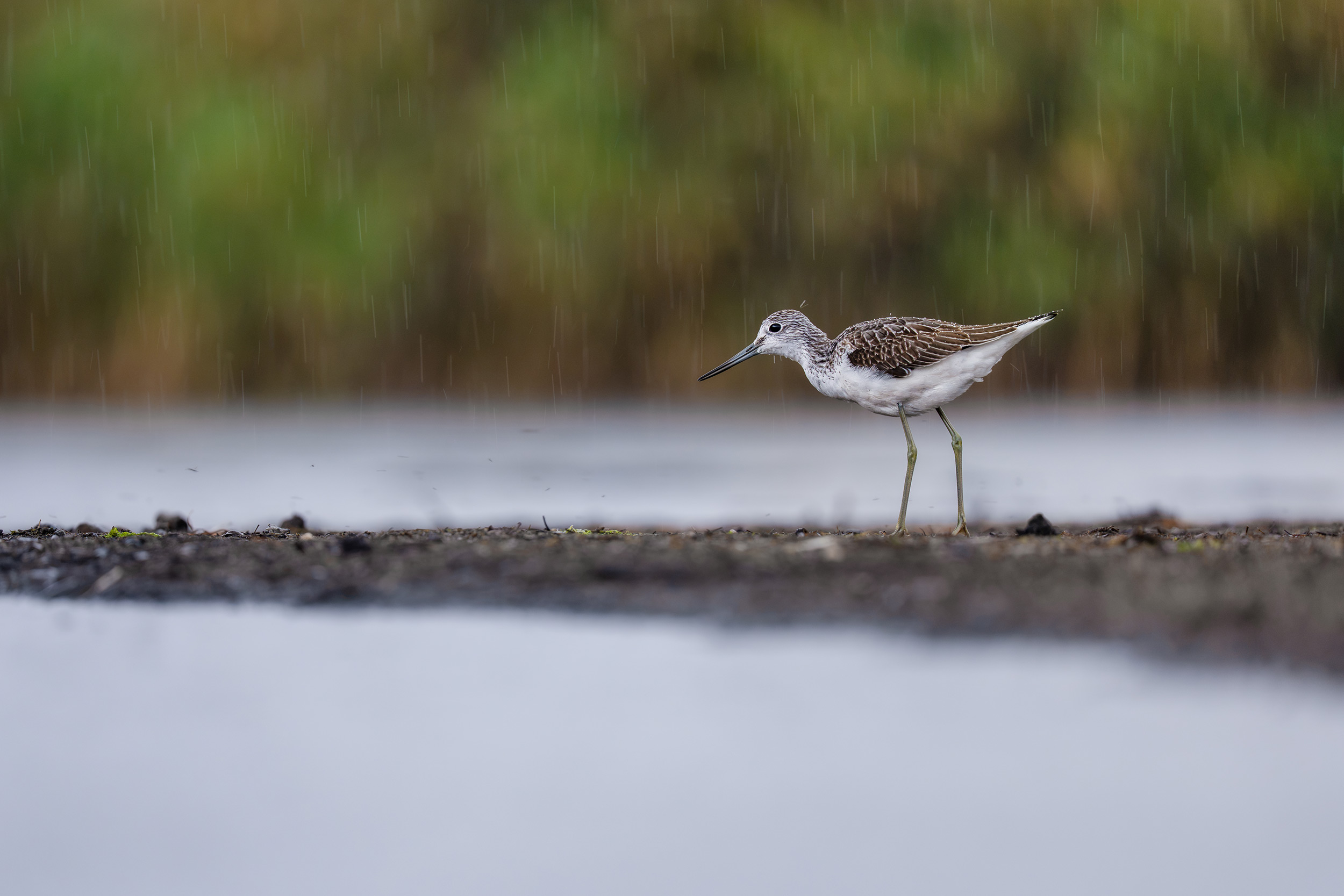 © Wanda Michal Narożni | Sony α1 II + FE 400mm f/4.5 GM OSS | 1/125s @ f/4.5, ISO 640
Built for the future
Having used Sony equipment for many years, reliability is not something we want to think about in the field. One of the strengths of the E-mount system is the confidence that lenses will continue to work seamlessly with new camera bodies and evolving autofocus, tracking and subject-recognition technologies.
Our approach was simple: mount the lens, head into the field and trust the camera and lens to do their job. Time and again, they did.
That simplicity matters. Wildlife photography is already full of things you cannot control: weather, light, distance, timing and animal behaviour. The last thing you want is to worry about your gear. Good technology should remove uncertainty and let you focus entirely on the subject and the experience.
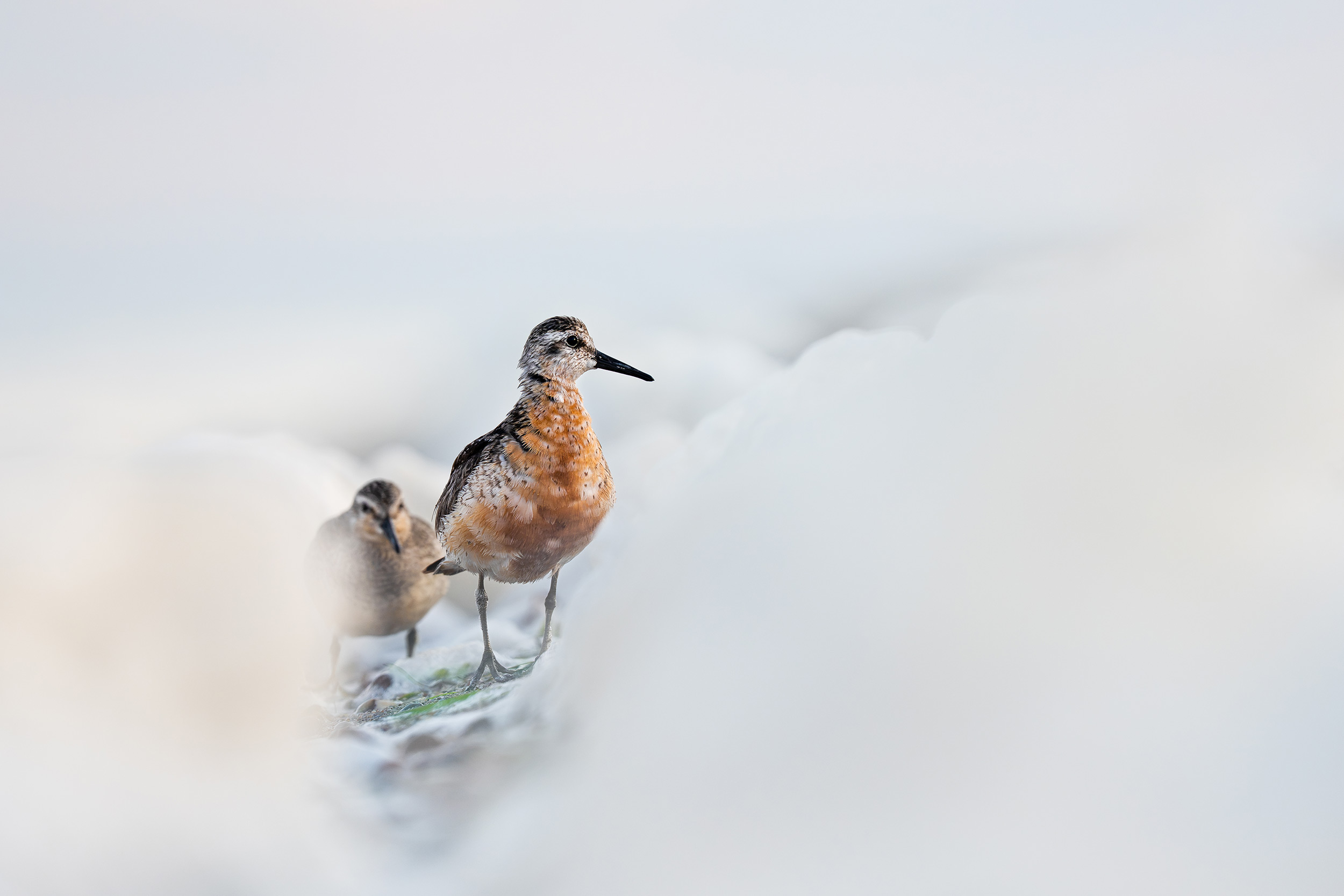 © Wanda Michal Narożni | Sony α1 II + FE 400mm f/4.5 GM OSS | 1/200s @ f/4.5, ISO 640
Final thoughts
For us, the real value of these lenses was not only in the specifications, but in the freedom they provided. Super-telephoto wildlife photography is often associated with heavy equipment, careful planning and exhausting days in the field. These lenses make it feel more spontaneous, relaxed and natural.
With the FE 400mm f/4.5 GM OSS and FE 600mm f/6.3 GM OSS, you can handhold all day, move freely and react quickly, without giving up reach or image quality. They let you spend less energy managing your gear, and more time focusing on the subject in front of you.


