
Between Chaos and Calm
Georgia Barker tests the Sony Alpha 7R VI
When testing the Alpha 7R VI, I wanted to explore how different environments change the way you approach wildlife photography. I spent time at Bass Rock, a steep, volcanic island located in the Firth of Forth off the east coast of Scotland, photographing gannets, before relocating to a woodland where everything felt much slower and quieter. Bass Rock is intense, thousands of birds constantly moving, noise, wind, very little stillness. You are reacting all the time, trying to pick out behaviour within the chaos. It feels less like photographing individual birds and more like a living landscape. In the woodland, it is the opposite. Movement is subtle and often hidden. You have to slow down and wait for wildlife to reveal itself. Both places rely on paying attention, just in completely different ways.
From the moment I picked up the Sony Alpha 7R VI, I was struck by how quickly I came to trust it in the field. The extraordinary resolution is immediately apparent, capturing fine details with remarkable clarity, but what impressed me most was how natural and lifelike those details appeared in every frame. The camera’s advanced subject tracking capabilities made a significant impact on my workflow. Photographing gannets in the midst of Bass Rock’s chaos is a real challenge, with birds darting in every direction and the environment constantly shifting. Yet, the Alpha 7R VI was able to lock onto individual birds and maintain focus, even as the scene became increasingly hectic. This reliability allowed me to concentrate on composition and timing, rather than worrying about losing focus at the critical moment. The in-body stabilisation was transformative, especially since I shoot handheld most of the time while moving between locations. The camera’s stability gave me the confidence to trust my instincts and adapt quickly, even when the terrain was uneven or I had to react in an instant.
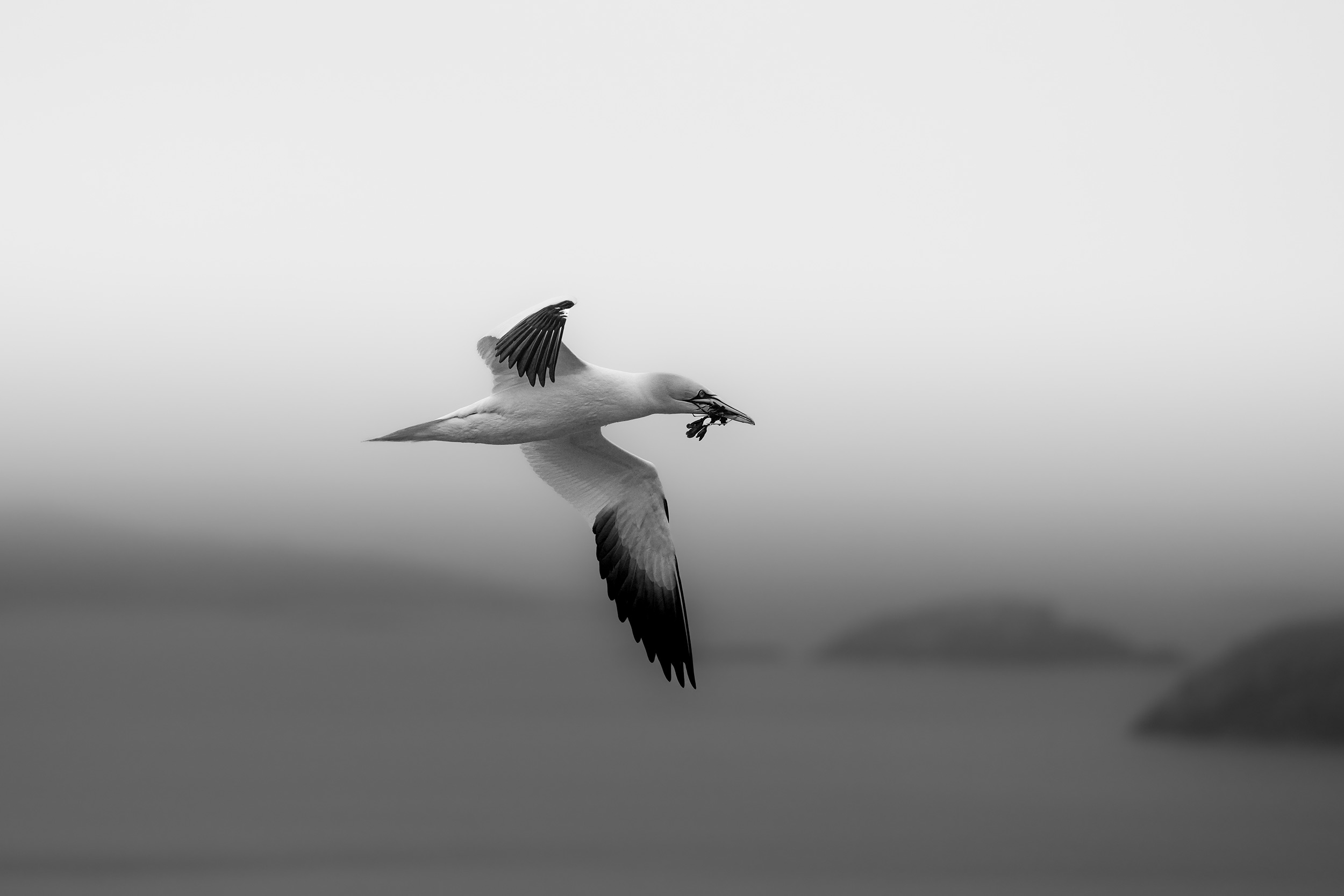 © Georgia Barker | Sony α7R VI + FE 400-800mm f/6.3-8 G OSS | 1/2500s @ f/7.1, ISO 500
The Alpha 7R VI offers the freedom to work instinctively, which is essential in wildlife photography. In fast-paced situations, moments are fleeting and rarely repeat themselves. Reliable subject tracking means I can stay with an animal and respond to subtle shifts in behaviour without breaking my flow or missing the shot. In quieter settings, the camera’s strengths shift to capturing delicate details, gentle movements, and nuanced changes in light and atmosphere. Its ability to preserve detail and tonal depth brings these quieter moments to life, reducing the need for heavy post-processing and letting the natural beauty of the scene speak for itself. Wildlife photography is inherently unpredictable, so having a camera that adapts seamlessly to both dynamic and tranquil environments is invaluable. It lets me focus on the animals and their behaviour, rather than the technical aspects of the camera, and encourages a more immersive and responsive approach to shooting.
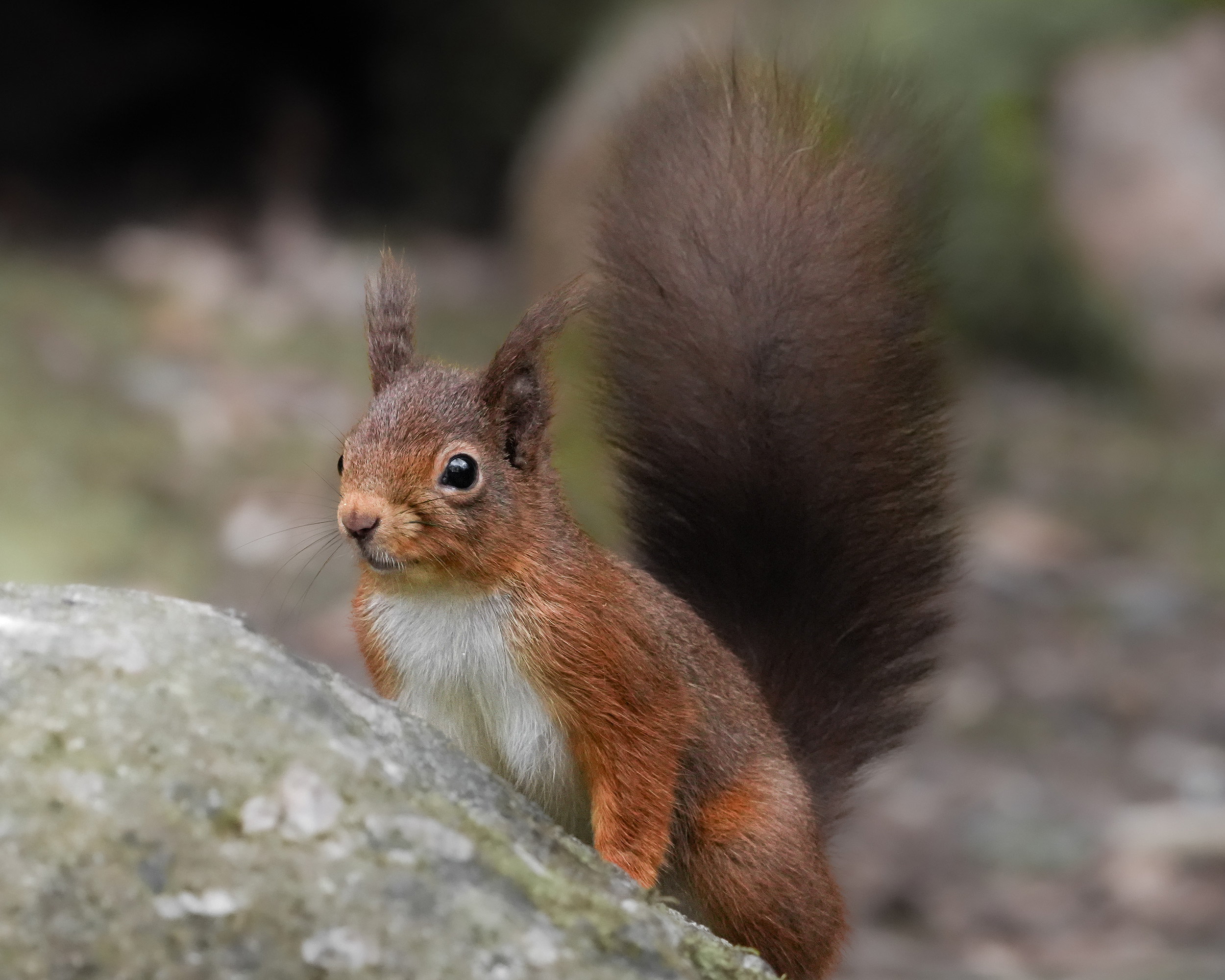 © Georgia Barker | Sony α7R VI + FE 400-800mm f/6.3-8 G OSS | 1/800s @ f/8.0, ISO 3200
Using the Alpha 7R VI felt like a natural progression in my work, not a drastic change. There was no steep learning curve; the camera handled intuitively, allowing me to focus on the creative process from the outset. In challenging conditions at Bass Rock, the camera kept pace without hesitation, ensuring I didn’t miss critical moments as the action unfolded. In the woodland, it excelled at rendering subtle details and textures, letting me capture refined images without excessive editing. The camera doesn’t change my approach to photography - it simply supports it more effectively, giving me the tools I need to adapt to whatever the environment presents.
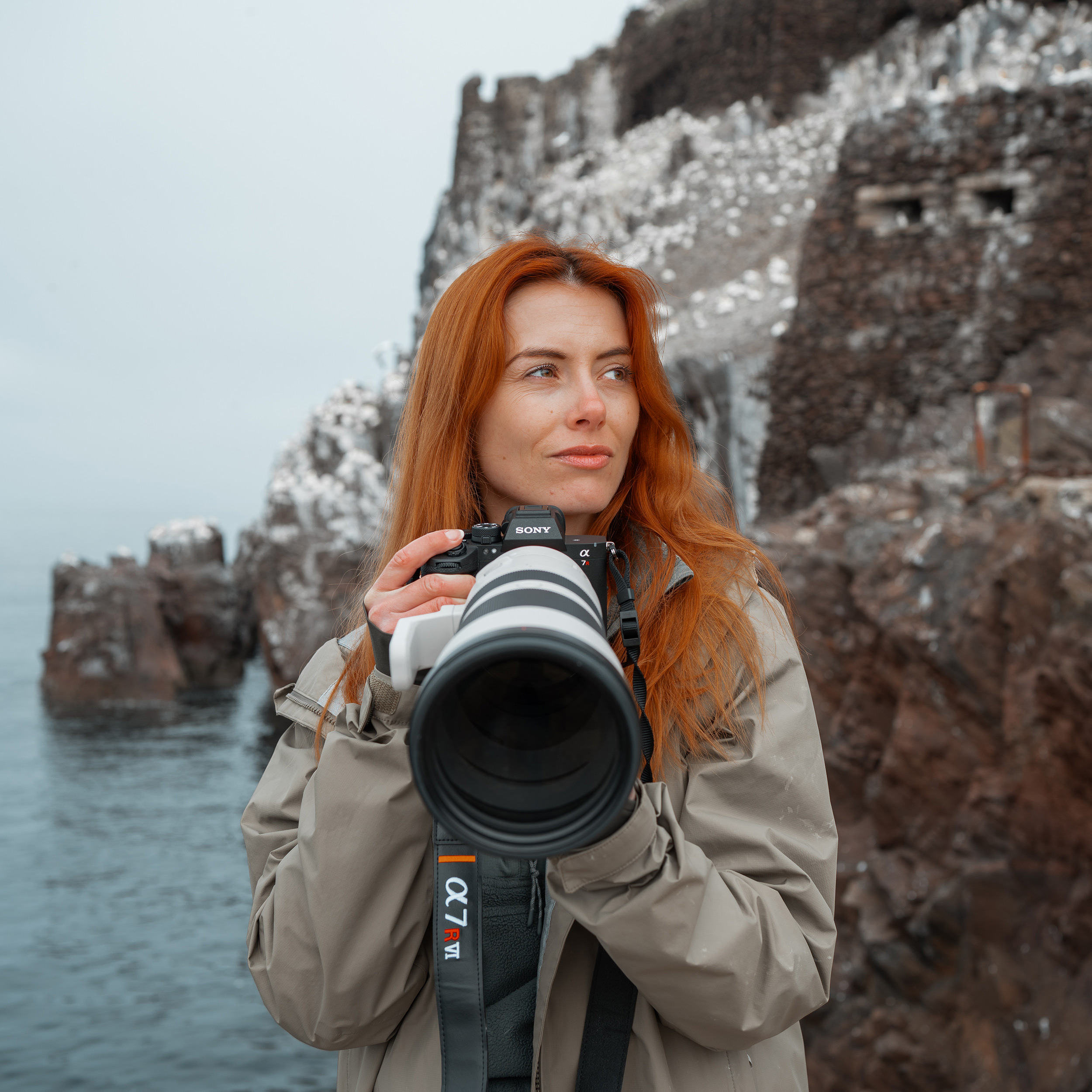 © Georgia Barker
Consistency is key, especially in unpredictable environments like Bass Rock, where movement, weather, and fleeting moments are constant challenges. With the Alpha 7R VI, I could trust that what I saw through the viewfinder was what I captured, with no surprises in post-production. The camera responded quickly and preserved detail and depth, even in demanding situations. For professionals, this level of reliability is essential. It frees you to push creative boundaries, knowing your equipment can keep up and deliver results, no matter the conditions.
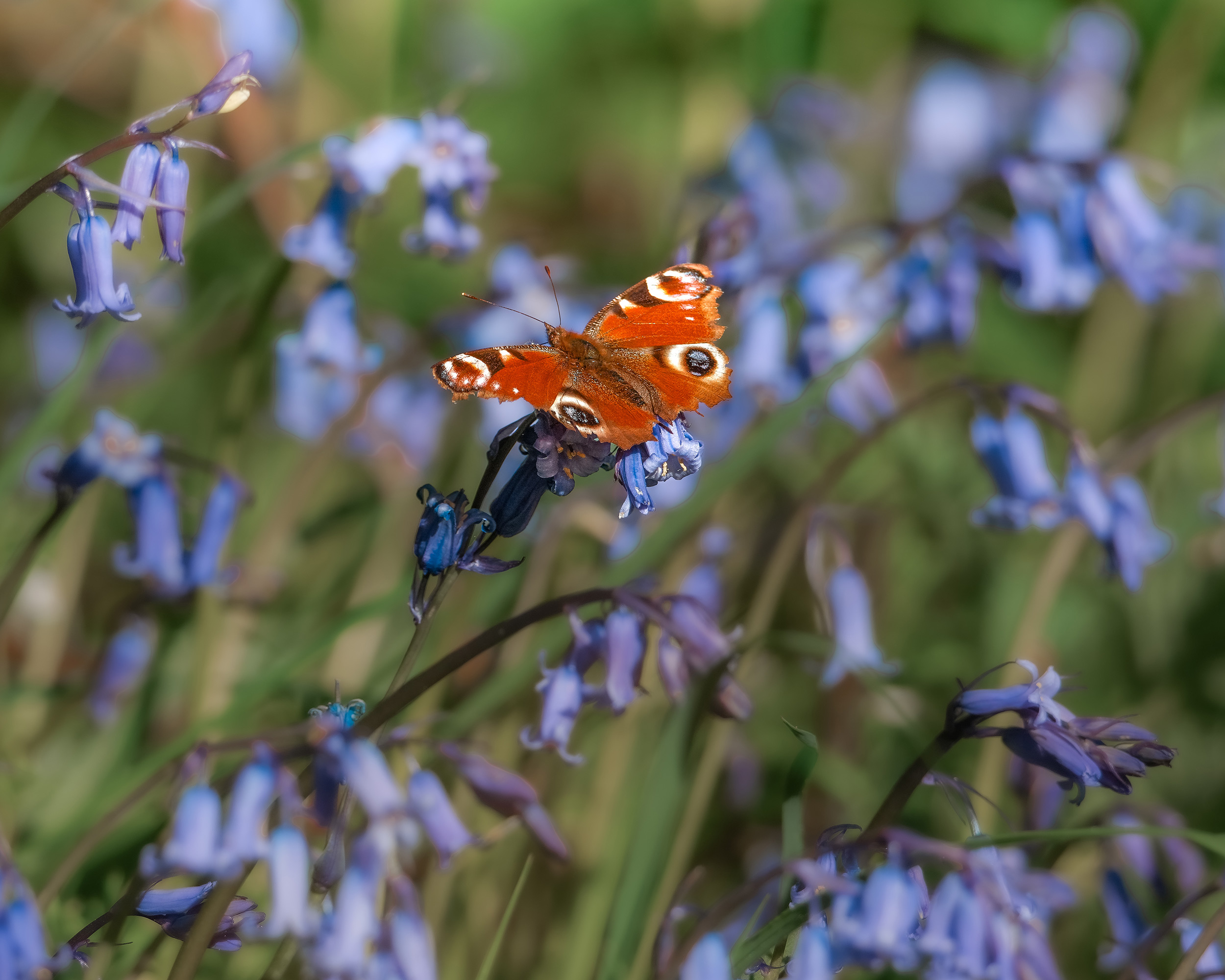 © Georgia Barker | Sony α7R VI + FE 400-800mm f/6.3-8 G OSS | 1/640s @ f/8.0, ISO 320
Throughout this project, I primarily used the FE 400-800mm f/6.3-8 G OSS lens. At Bass Rock, the lens’s reach allowed me to isolate individual birds or compress the scene to highlight the density and energy of the colony. This flexibility meant I didn’t have to move constantly, which is crucial in such environments where space and time are limited. In the woodland, I used the lens to explore layers and pick out subtle details within the landscape, capturing the interplay of light and shadow among the trees. I kept my setup minimal, prioritising handheld shooting to stay mobile and responsive. The balanced combination of the Alpha 7R VI and the FE 400-800mm lens made long sessions manageable and comfortable, even during extended periods in the field.
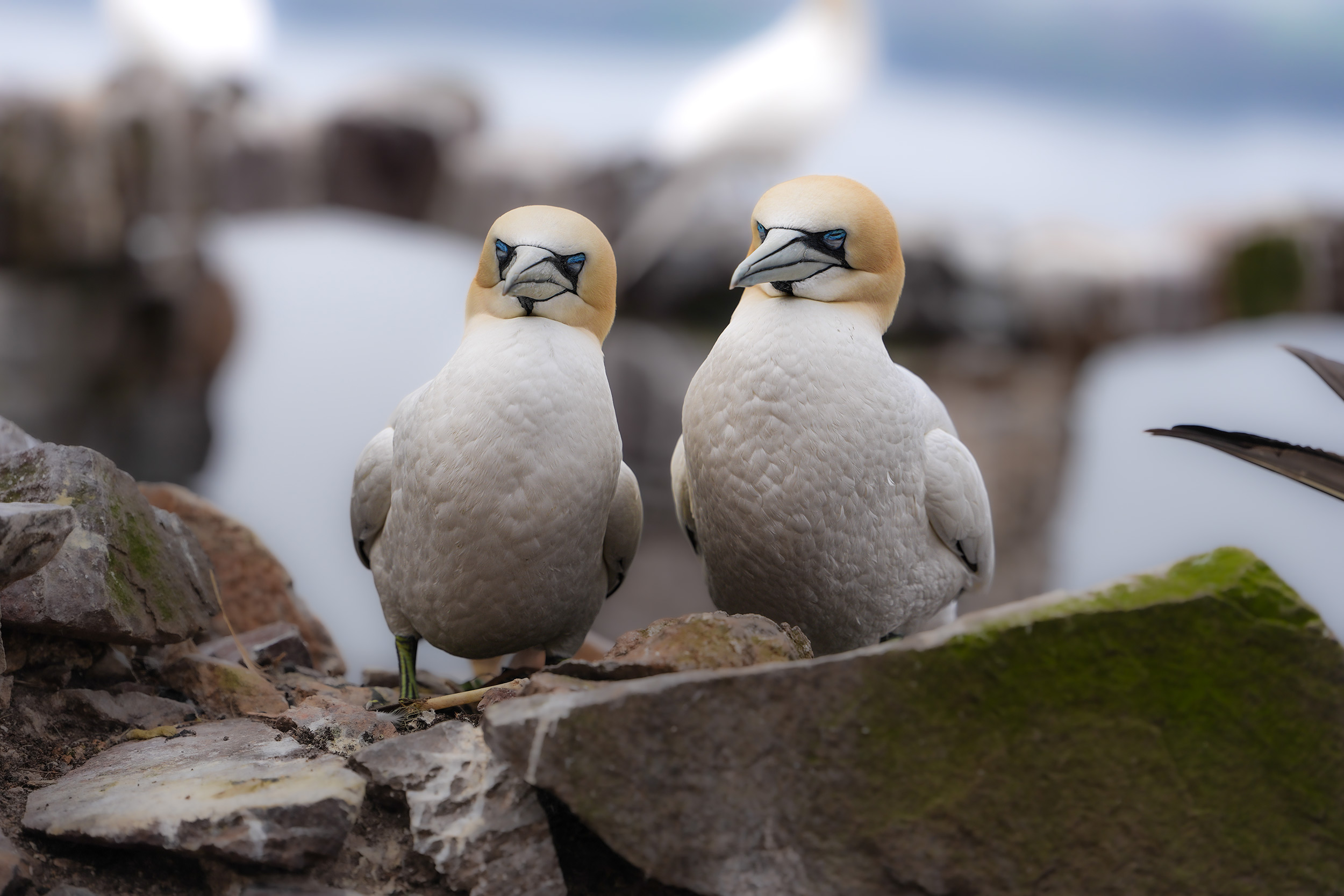 © Georgia Barker | Sony α7R VI + FE 50-150mm f/2 GM | 1/1600s @ f/2.0, ISO 100
Wildlife photography isn’t always about seeking out rare or elusive subjects—it’s about understanding and appreciating what’s already present in the environment. Some locations demand quick reflexes and the ability to react instantly, while others reward patience and careful observation. Knowing when to react and when to wait is vital for capturing the most compelling images. Spending time in one place, observing behaviour, and resisting the urge to rush often leads to the most meaningful photographs. The more you watch and learn, the more you start to notice subtle interactions and patterns—and that’s where the most powerful and authentic images emerge.
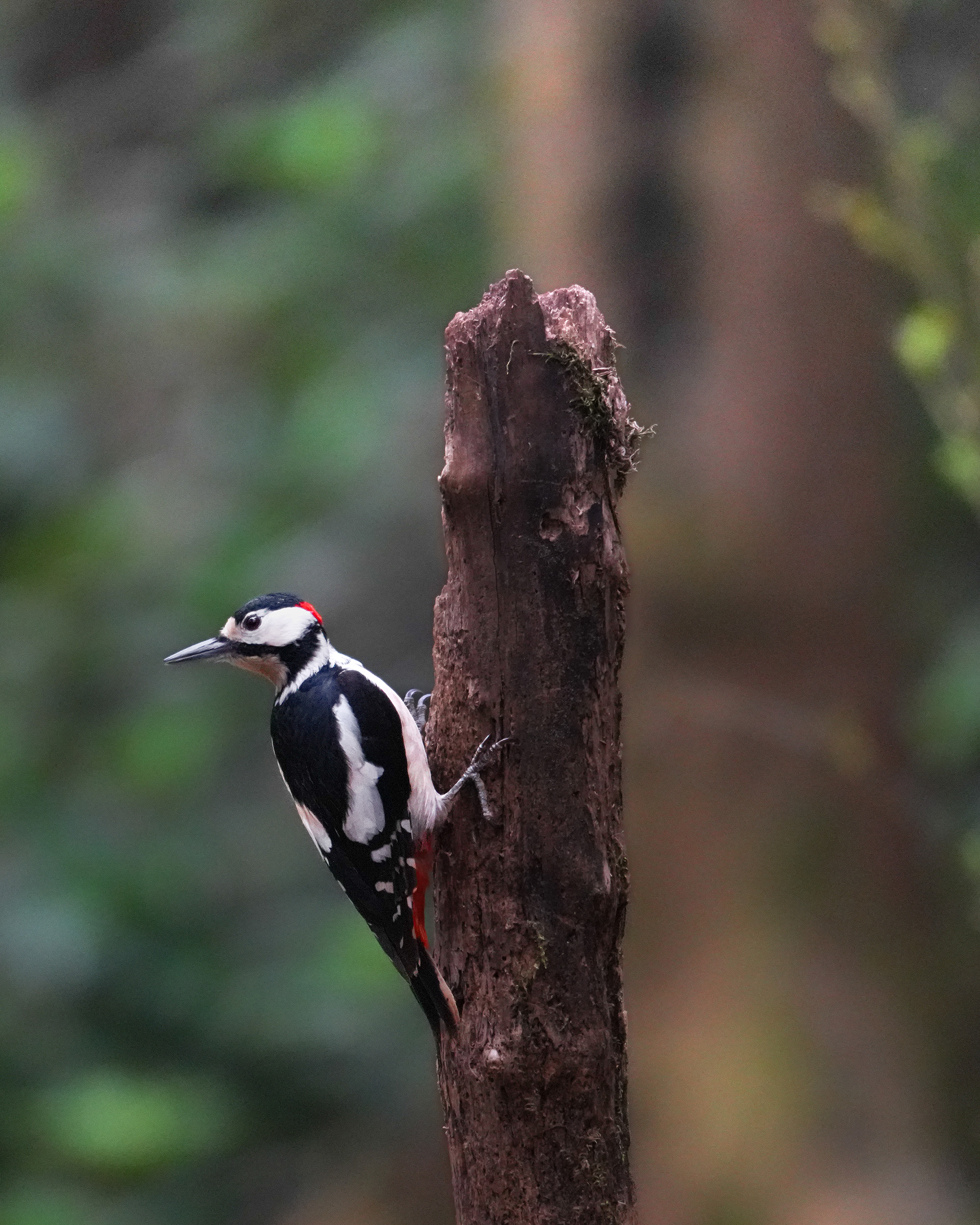 © Georgia Barker | Sony α7R VI + FE 400-800mm f/6.3-8 G OSS | 1/1000s @ f/8.0, ISO 3200
Ultimately, the Sony Alpha 7R VI has become an extension of my vision, allowing me to respond instinctively to the world around me. Whether navigating the chaos of Bass Rock or the quiet of a woodland, the camera’s combination of speed, stability, and image quality supports my creative process at every step. It’s a tool that not only keeps up with the demands of wildlife photography but also encourages me to push further and see more.


