
Light in the Wild
Francesca Sironi
For me, photography has always been deeply connected to the idea of a journey, and wildlife photography is no exception. It is along the way that you collect your most precious baggage: stories, experiences, encounters and emotions that shape the way you see the world. Every step becomes part of that baggage, and I don’t want to miss any of it — not a single detail, not a single emotion.
But reaching the destination matters too. And for me, that often means reaching the summit.
I have never felt especially drawn to static wildlife photography. What represents me most is the freedom to wander through nature without knowing exactly what I will find, and to welcome whatever it chooses to offer me. That, to me, is the essence of wildlife photography: being present, moving through the landscape, and allowing the experience to unfold rather than trying to control it.
To do that, I need to remove the distractions that can take me away from the moment. When the journey leads through the mountains, climbing hundreds of metres in elevation, every gram matters. I want my equipment to become almost invisible, so I can focus completely on the wildlife, the light and the experience.
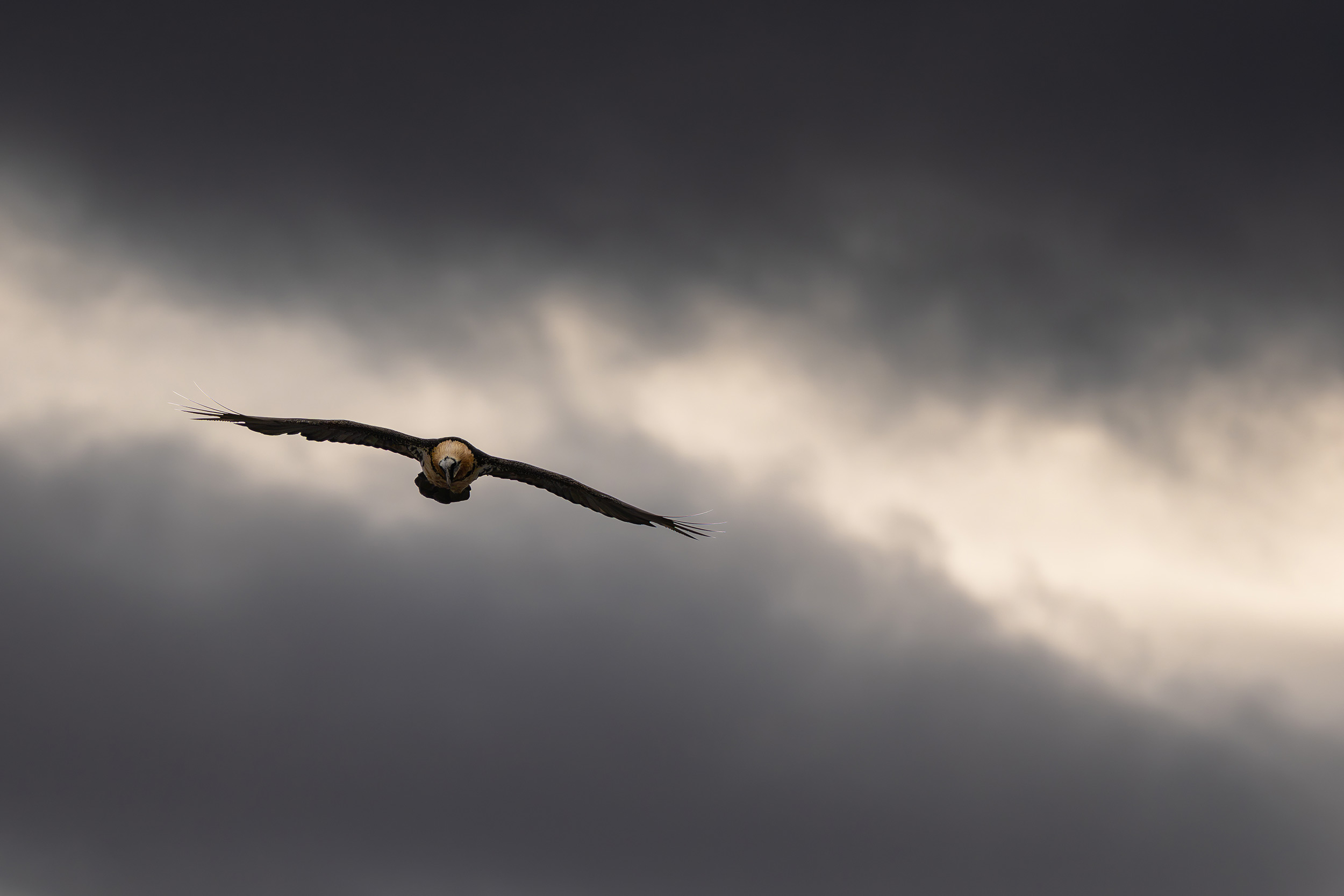 © Francesca Sironi | Sony α7 V + FE 600mm f/6.3 GM OSS | 1/2000s @ f/6.3, ISO 200
Four days in the Italian Alps
I spent four days exploring the Italian Alps, an extraordinary environment where wildlife, landscapes and weather change dramatically with altitude. As you climb, the scenery evolves, the animals change, and the light can transform within minutes. Clouds roll in, the atmosphere shifts, and the same landscape suddenly feels completely different.
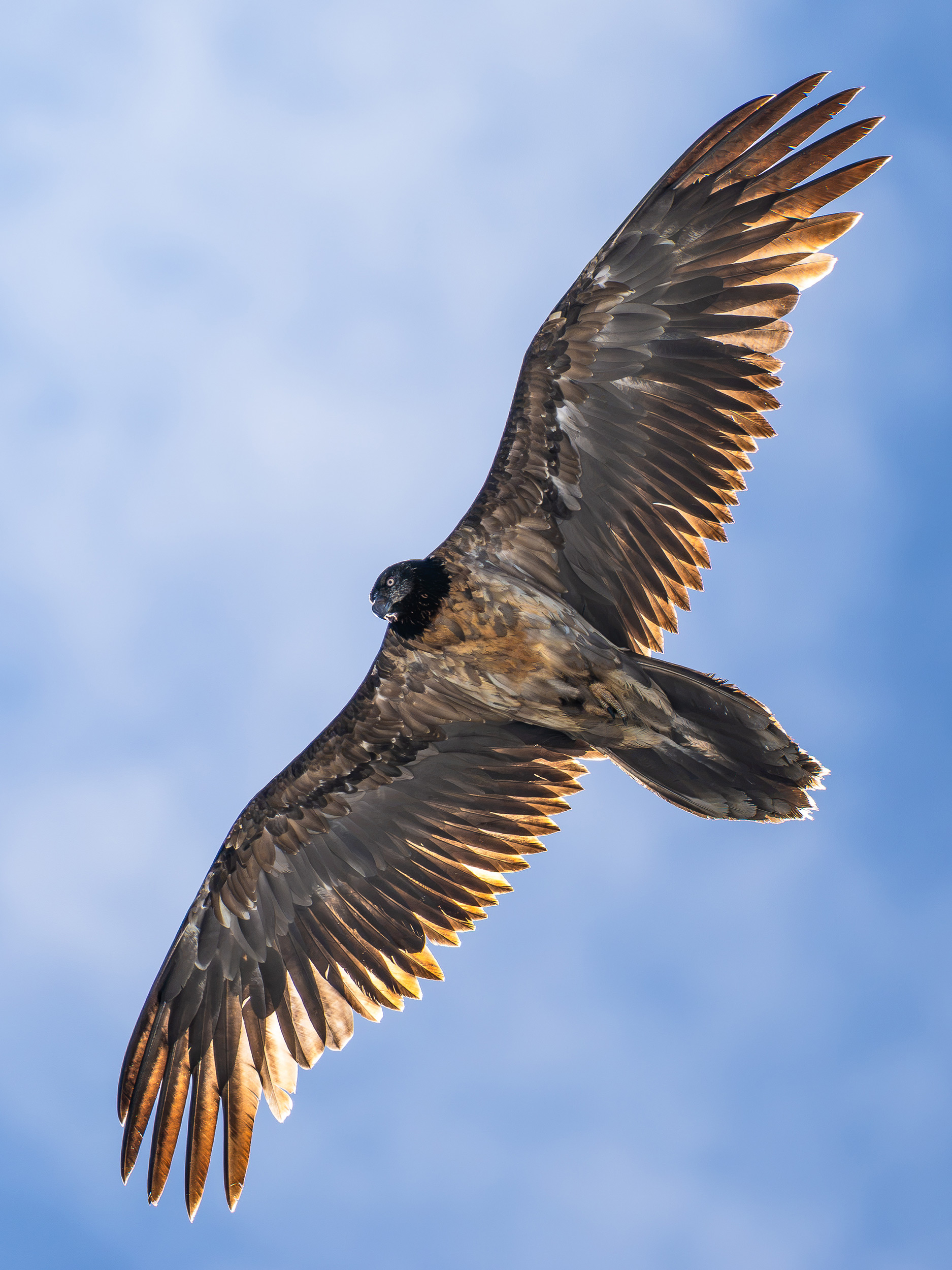 © Francesca Sironi | Sony α7 V + FE 600mm f/6.3 GM OSS | 1/2000s @ f/6.3, ISO 250
It was the perfect place to test the new Sony FE 400mm f/4.5 GM OSS and FE 600mm f/6.3 GM OSS with my faithful Alpha 7 V and the 1.4x and 2x teleconverters.
One of the first things you notice about these lenses is their size and weight. Both are just over 30 cm long, including the lens hood, and weigh just under 1 kg each. They are light, but still feel solid, robust and beautifully built. The ergonomic design makes them comfortable to use for long periods, and that portability comes without sacrificing the optical quality expected from Sony’s prime G Master lenses.
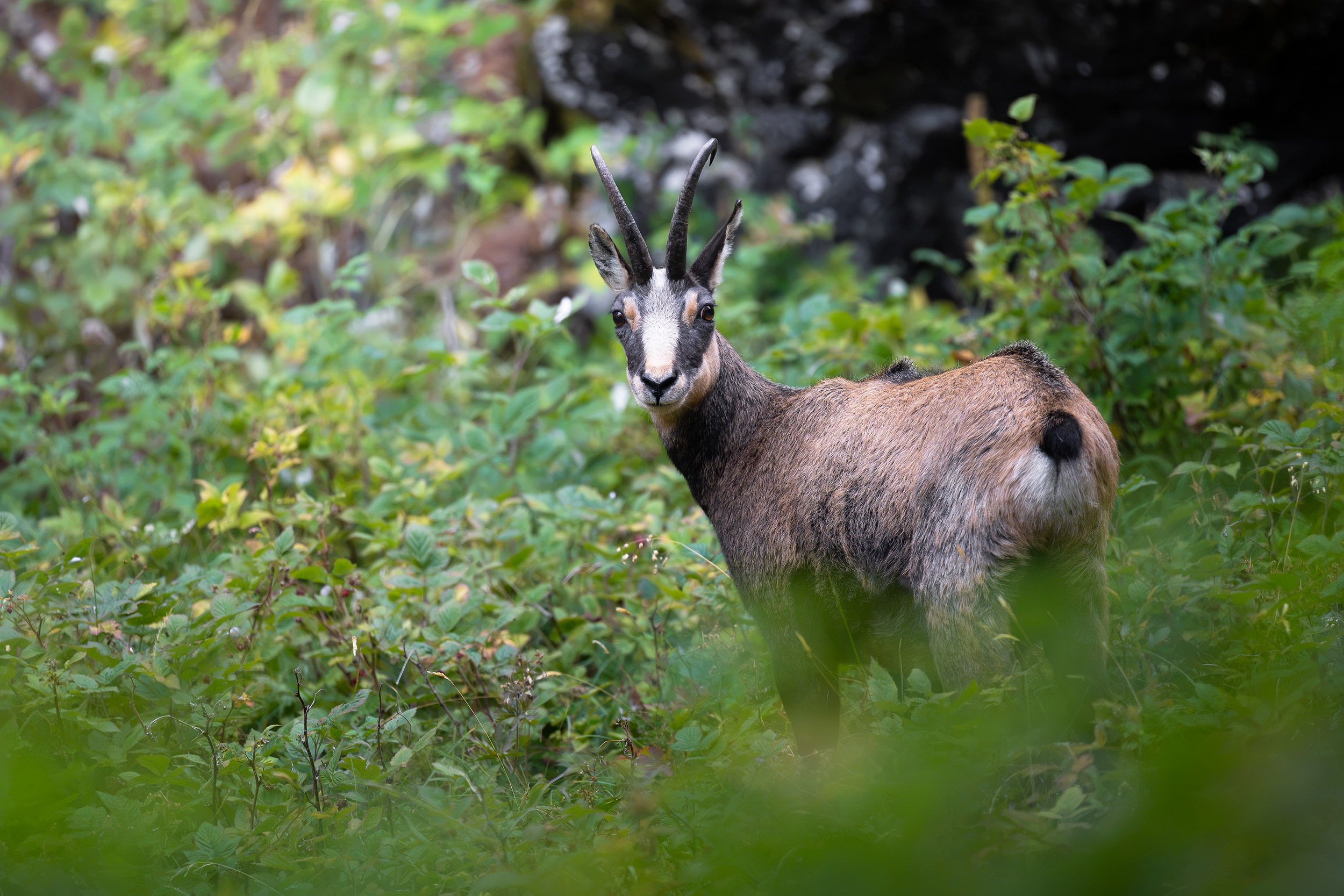 © Francesca Sironi | Sony α7 V + FE 400mm f/4.5 GM OSS | 1/400s @ f/4.5, ISO 2500
Low light, depth and autofocus
Every good hike in the Italian Alps starts early, winding through dense larch forests on steep mountain slopes, where the surrounding peaks delay the first sunlight. This was where I first put the 400mm to the test, taking full advantage of its wide f/4.5 aperture. In the dim light of the forest, that extra light made a real difference, allowing me to maintain fast shutter speeds without pushing the ISO too high.
But the advantage of a wide aperture goes beyond low-light performance. A dense forest is full of overlapping trunks, branches and vegetation, and I wanted to use that complexity as part of the composition, creating layers of blur and a stronger sense of depth.
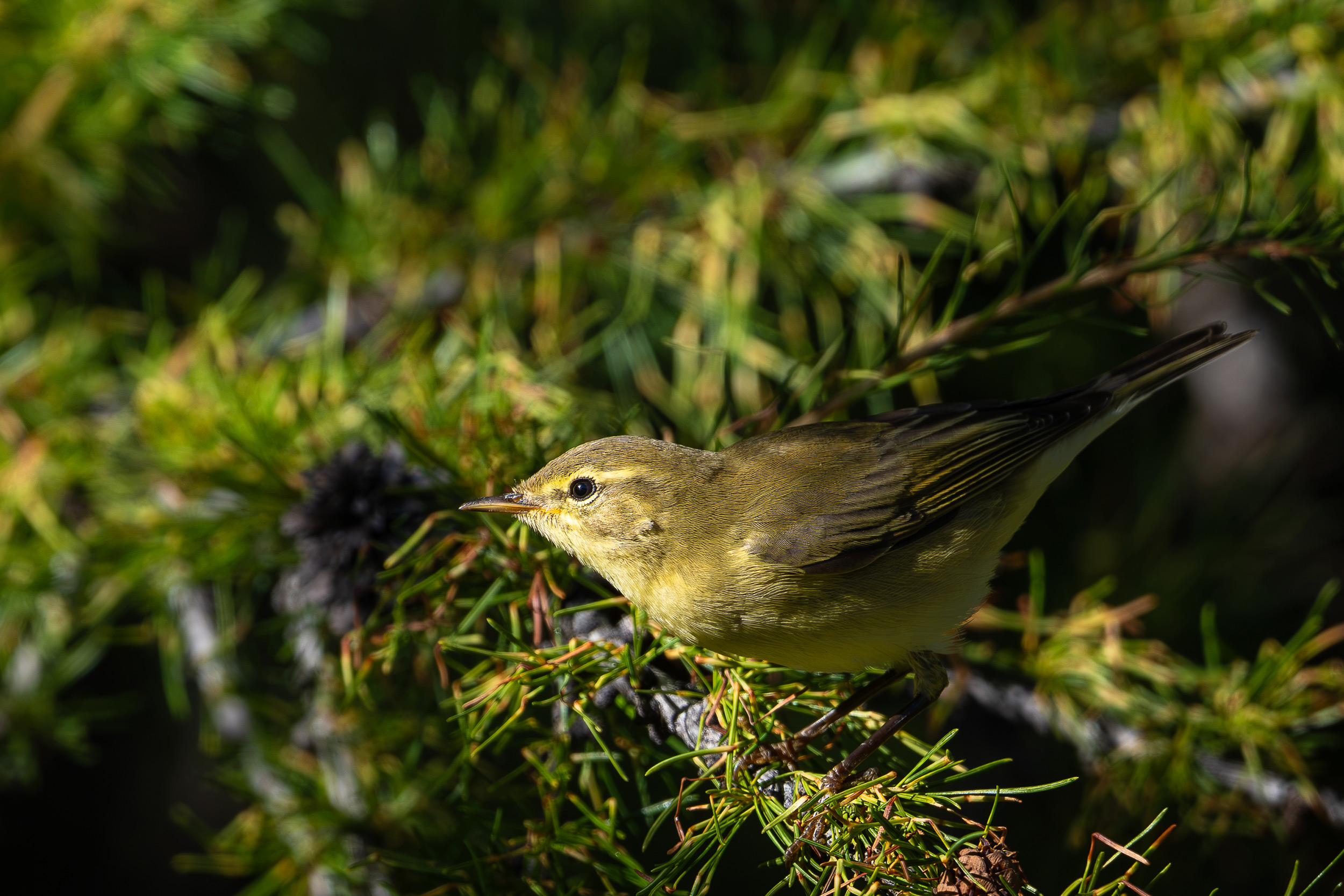 © Francesca Sironi | Sony α7 V + FE 600mm f/6.3 GM OSS | 1/1000s @ f/6.3, ISO 500
What surprised me most was how confidently the autofocus performed in such a challenging environment. With chamois moving through dense vegetation, in limited light and surrounded by visual distractions, the lens acquired and held focus remarkably well. It allowed me to react when the animal appeared briefly between the branches, instead of fighting the environment to find focus.
In wildlife photography, those moments can last only seconds. Being able to rely on the autofocus means I can concentrate on anticipating the animal rather than worrying about my equipment.
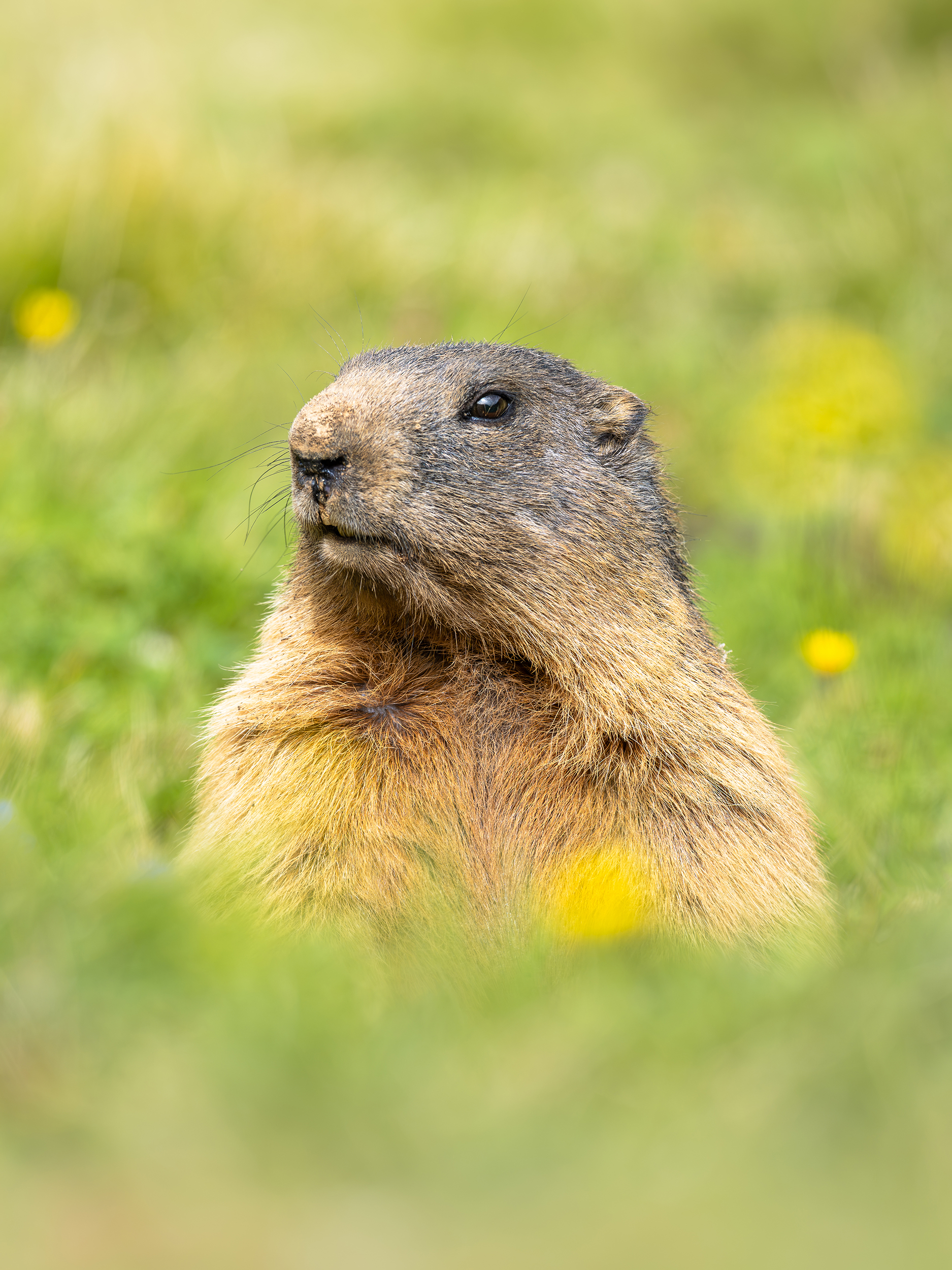 © Francesca Sironi | Sony α7 V + FE 400mm f/4.5 GM OSS + 2x Teleconverter | 1/1250s @ f/9.0, ISO 640
Fast subjects and movement
Later, as sunlight began to filter through the trees, I tested the 600mm on a few restless little birds passing through during migration. The autofocus performed flawlessly, keeping up with their rapid movements as they darted between dense branches. Even in those fleeting moments, the quality was clear, with remarkable detail captured in the feathers.
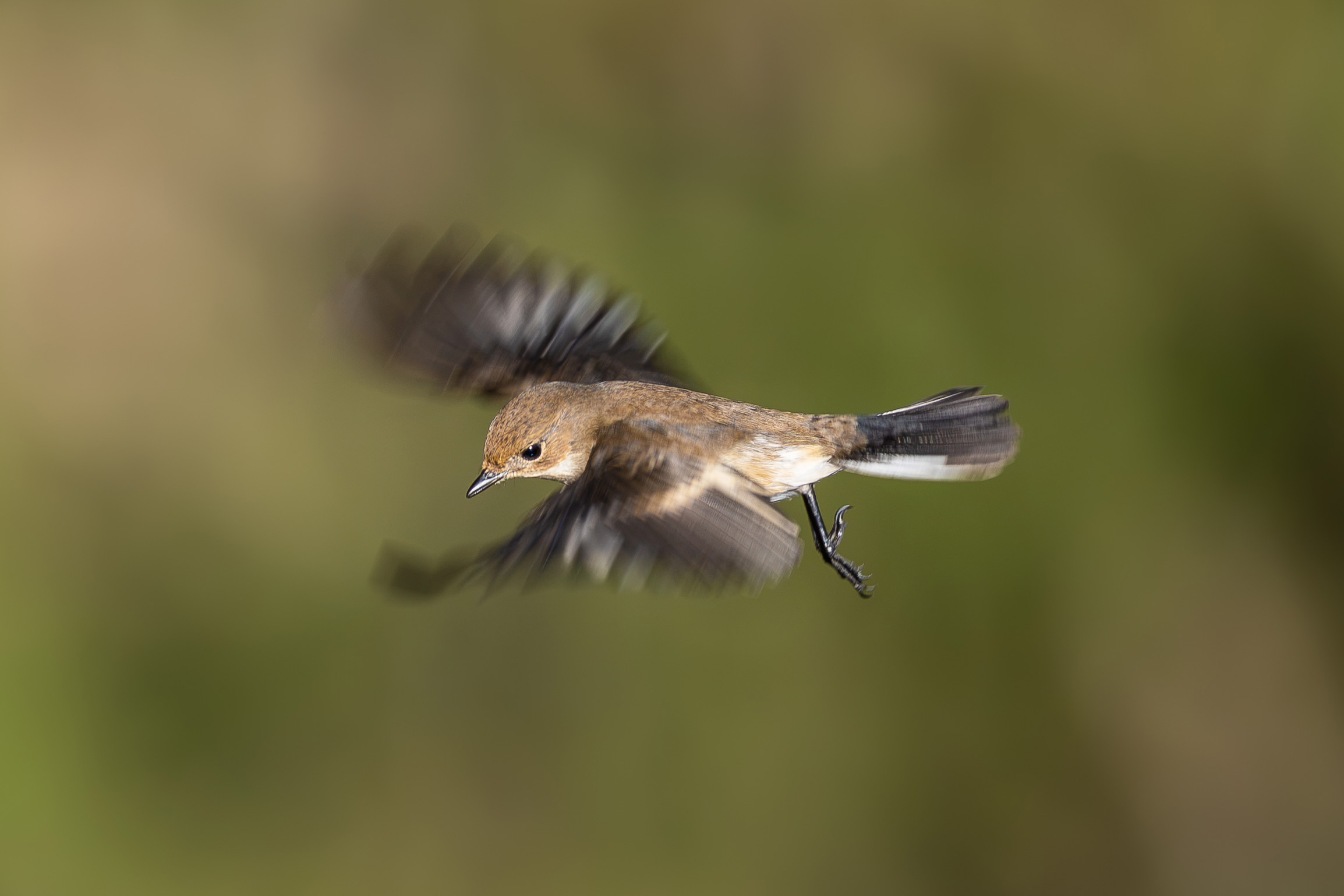 © Francesca Sironi | Sony α7 V + FE 600mm f/6.3 GM OSS | 1/800s @ f/6.3, ISO 250
To convey their speed and energy, I chose a slightly slower shutter speed than usual, while keeping enough definition in the subject. This introduced a subtle sense of movement rather than completely freezing the action. The autofocus maintained focus on the bird’s eye, while the 600mm focal length isolated it beautifully from the busy background.
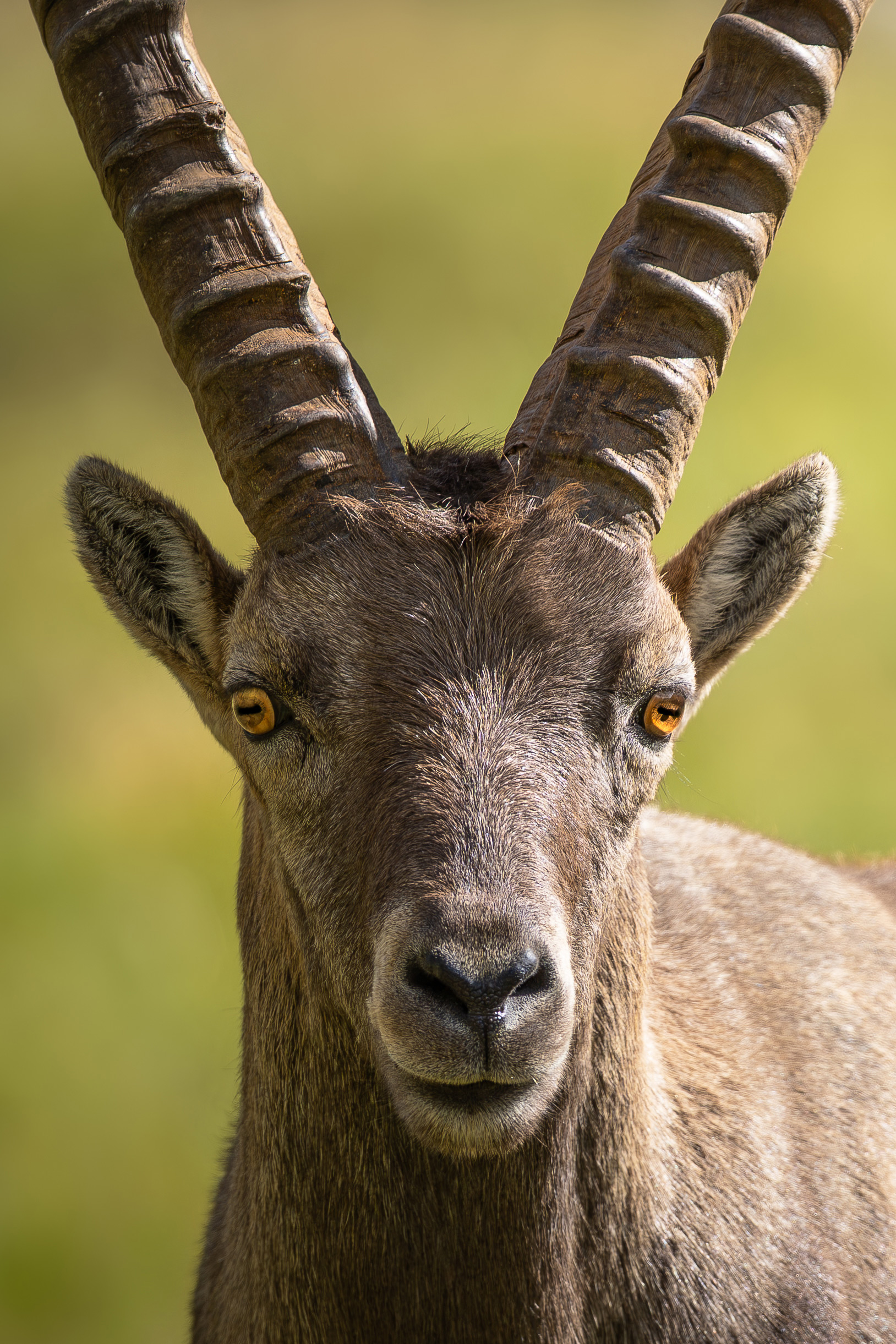 © Francesca Sironi | Sony α7 V + FE 400mm f/4.5 GM OSS | 1/1000s @ f/4.5, ISO 100
Reach in the high mountains
Beyond the forest, the trail opens onto steep rocky slopes, where chamois move with incredible agility. They can be challenging subjects to follow, but the lightness and handling of these lenses allowed me to move and react quickly, keeping up with them. The rocky terrain eventually gives way to high-altitude meadows and open plateaus, where wildlife appears with very different levels of confidence - from calm ibex to wary marmots. By the time I reached these open landscapes, the sun was still high and harsh, so I waited until late afternoon, when the light softened and the atmosphere changed.
Here I tested the 400mm in two ways: first on its own, where its resolving power and rendering were immediately impressive; and then with the 2x teleconverter, extending the reach to 800mm while still retaining strong image quality. Even with the teleconverter attached, the autofocus remained fast and precise, reliably finding the subject despite grass in the foreground.
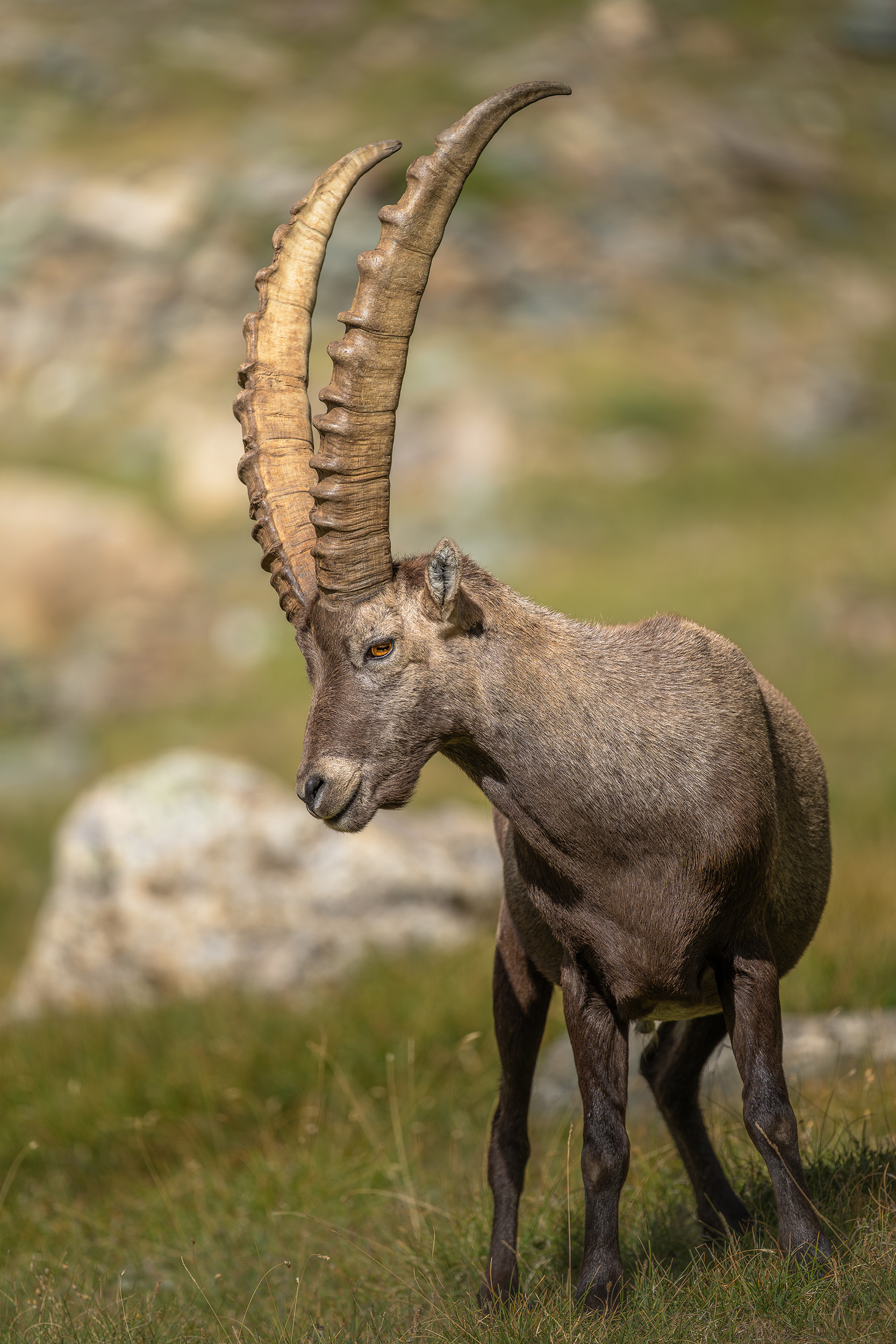 © Francesca Sironi | Sony α7 V + FE 400mm f/4.5 GM OSS | 1/1000s @ f/4.5, ISO 100
Higher still, vegetation gives way to rock, glaciers and a wilder, more exposed landscape. Up here, the wildlife changes again: bearded vultures, ptarmigans and mountain hares. The mountain hare, Lepus timidus, could hardly have a more fitting name — “timidus” means shy in Latin, and these elusive animals can disappear completely into their surroundings. Spotting one often feels like luck, and this was my first.
In this environment, I relied mostly on the 600mm. At these altitudes, animals are often distant, elusive and unpredictable. Ptarmigans are so well camouflaged that you often notice them only when they move, while bearded vultures can catch rising thermals and disappear across a valley in moments. The 600mm gave me the reach I needed to keep my distance while staying ready for those fleeting opportunities.
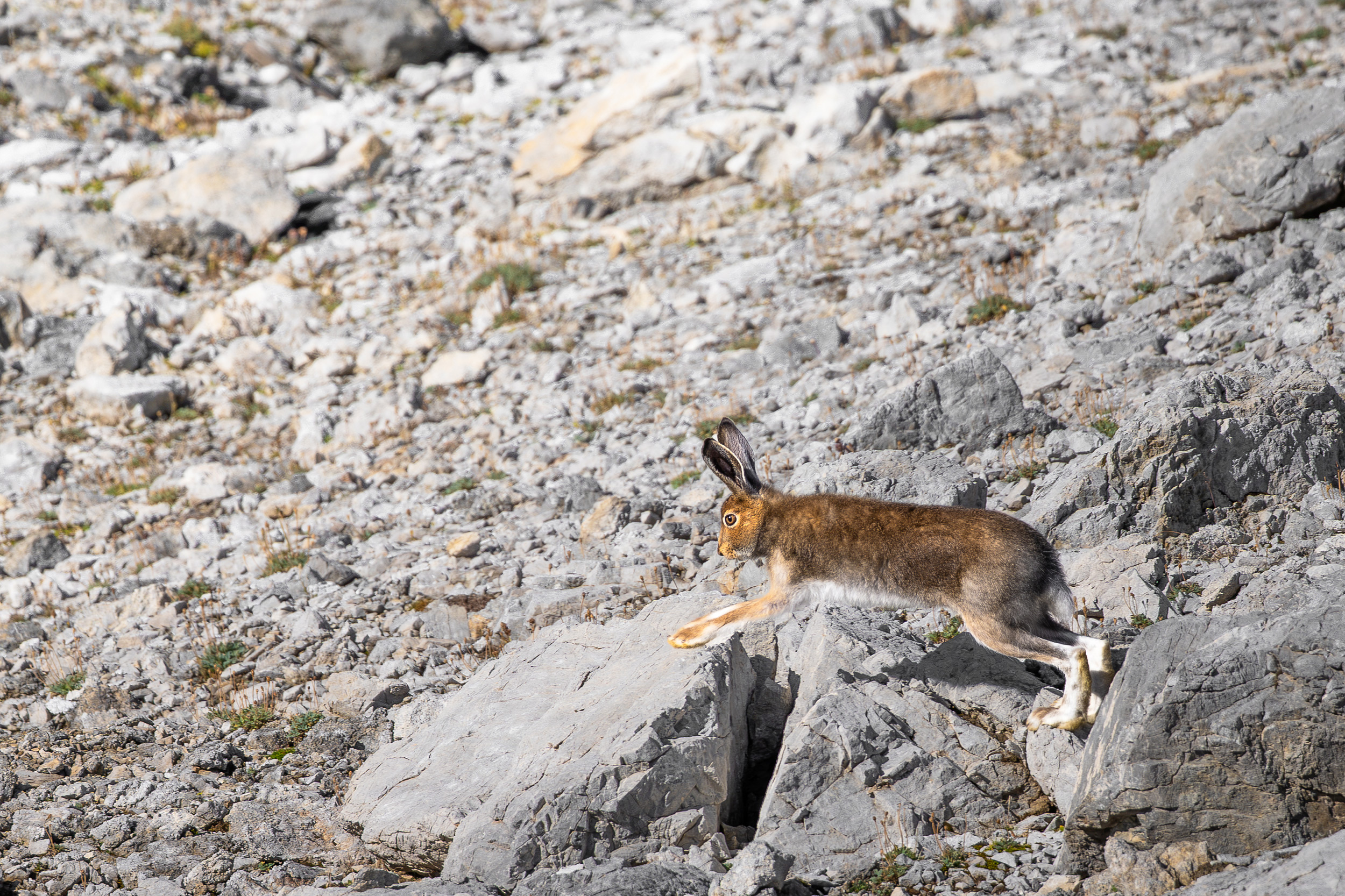 © Francesca Sironi | Sony α7 V + FE 600mm f/6.3 GM OSS | 1/1250s @ f/6.3, ISO 125
On another morning, I returned before sunrise under a completely overcast sky. With very little light available, I tested the 600mm again, and it did not disappoint. When a young bearded vulture suddenly appeared overhead, the lens was light enough to raise quickly and follow its flight. Later, when the bird flew against a rocky cliff, the autofocus still separated it from the complex background and held focus reliably.
Finally, I paired the 600mm with the 1.4x teleconverter to photograph ptarmigans in the same subdued light. Their elusive nature requires both reach and precision, and the combination delivered: fast autofocus, excellent sharpness and impressive detail.
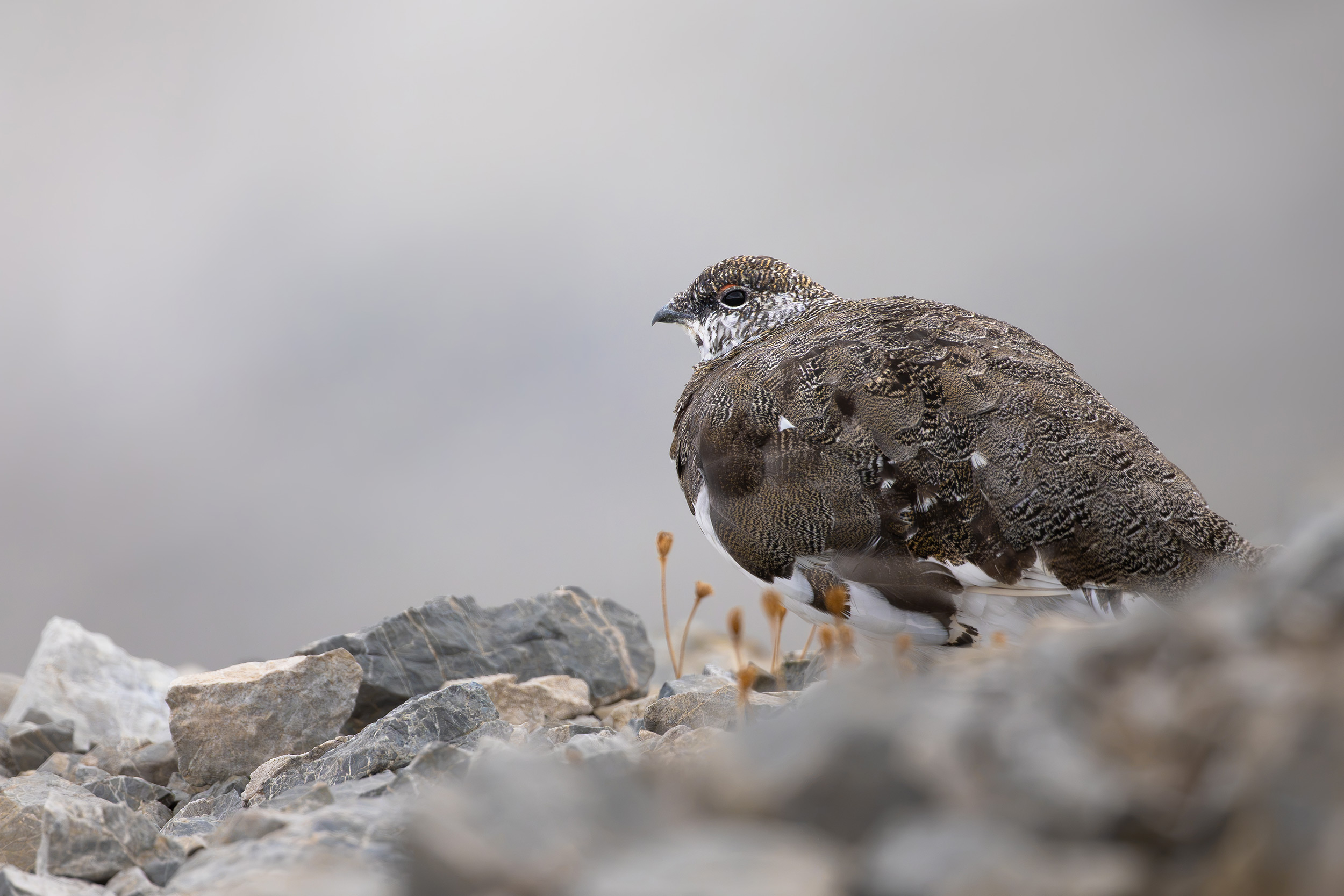 © Francesca Sironi | Sony α7 V + FE 600mm f/6.3 GM OSS + 1.4x Teleconverter | 1/1000s @ f/9.0, ISO 1000
The best baggage
After four days in the mountains, I came home with much richer baggage: new encounters, emotions, challenges and memories that will stay with me long after the journey is over.
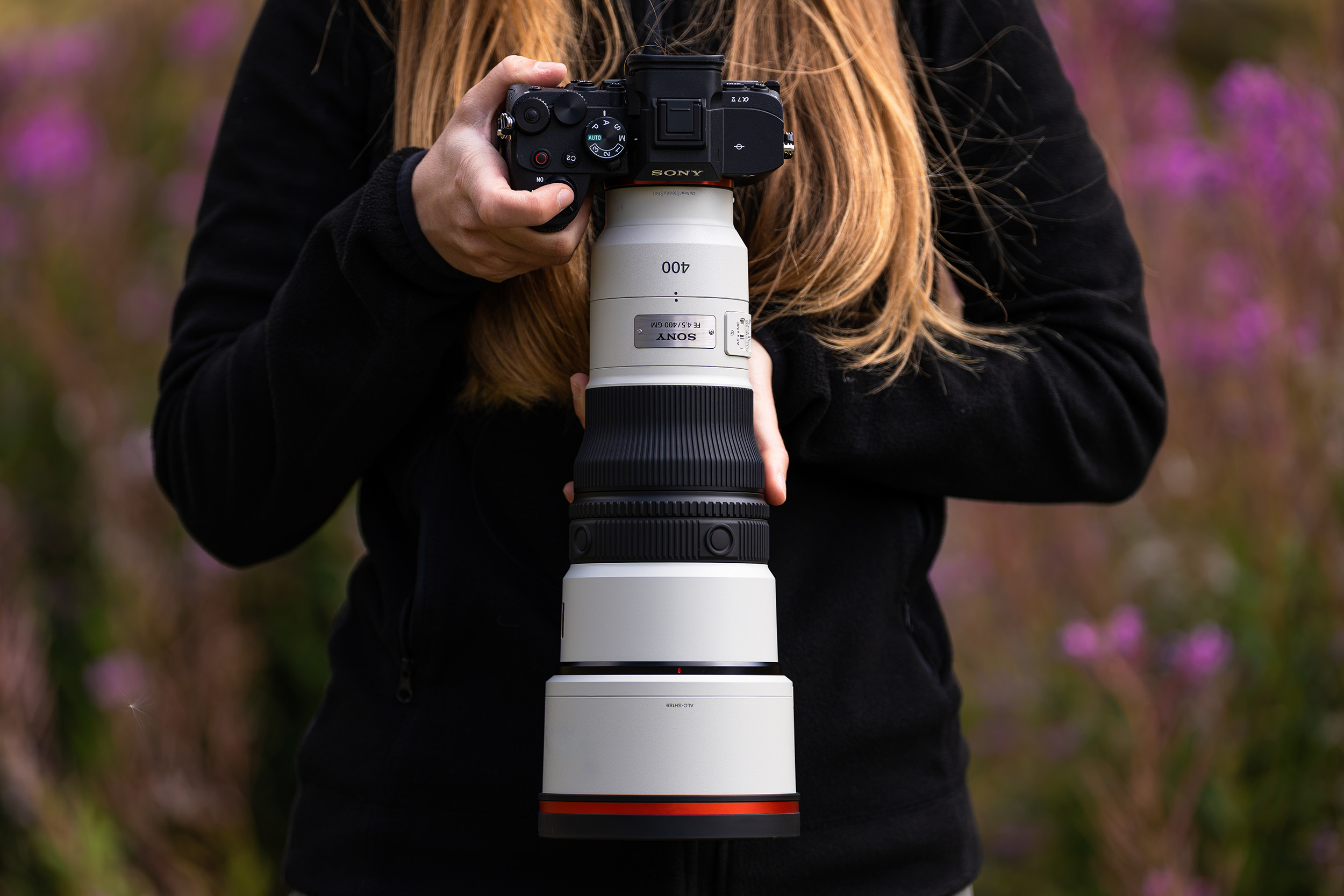 © Francesca Sironi
The lightness and versatility of these lenses allowed me to stay focused on the experience itself, rather than worrying about the weight of my gear, the changing light, the distance of my subjects or how quickly they might disappear.
And perhaps that is the best kind of baggage to carry: the kind that adds to your story without adding to your weight.


