
Photo Finish
Kiki Hendriks
From May to September, it’s competition season for Kiki Hendriks. The Dutch paralympic athlete, who specializes in the long jump and 100 metres, has competed at the highest levels, most recently the 2024 Summer Paralympics and 2025 World Para Athletics Championships where she won a silver medal in the long jump T64 event.
“Winter is for training and summer is when you see the results,” she explains, detailing the gruelling schedule of preparation and competition. “You train and train, push yourself to add a few centimetres to a jump or shave a fraction of a second off your sprint time, and the events come almost every week during the season. But it’s good to keep pushing. That’s when you can start to see your efforts are paying off.”
In competitive sport, determination, effort and courage are non-negotiables, but for Kiki, who lost her left lower leg, right hand, and the fingers of her left hand at the age of two, then her lower right leg as a teenager, those traits are simply an essential part of everyday life. She has applied the same focus to her photography, though the benefits, she says, are different.
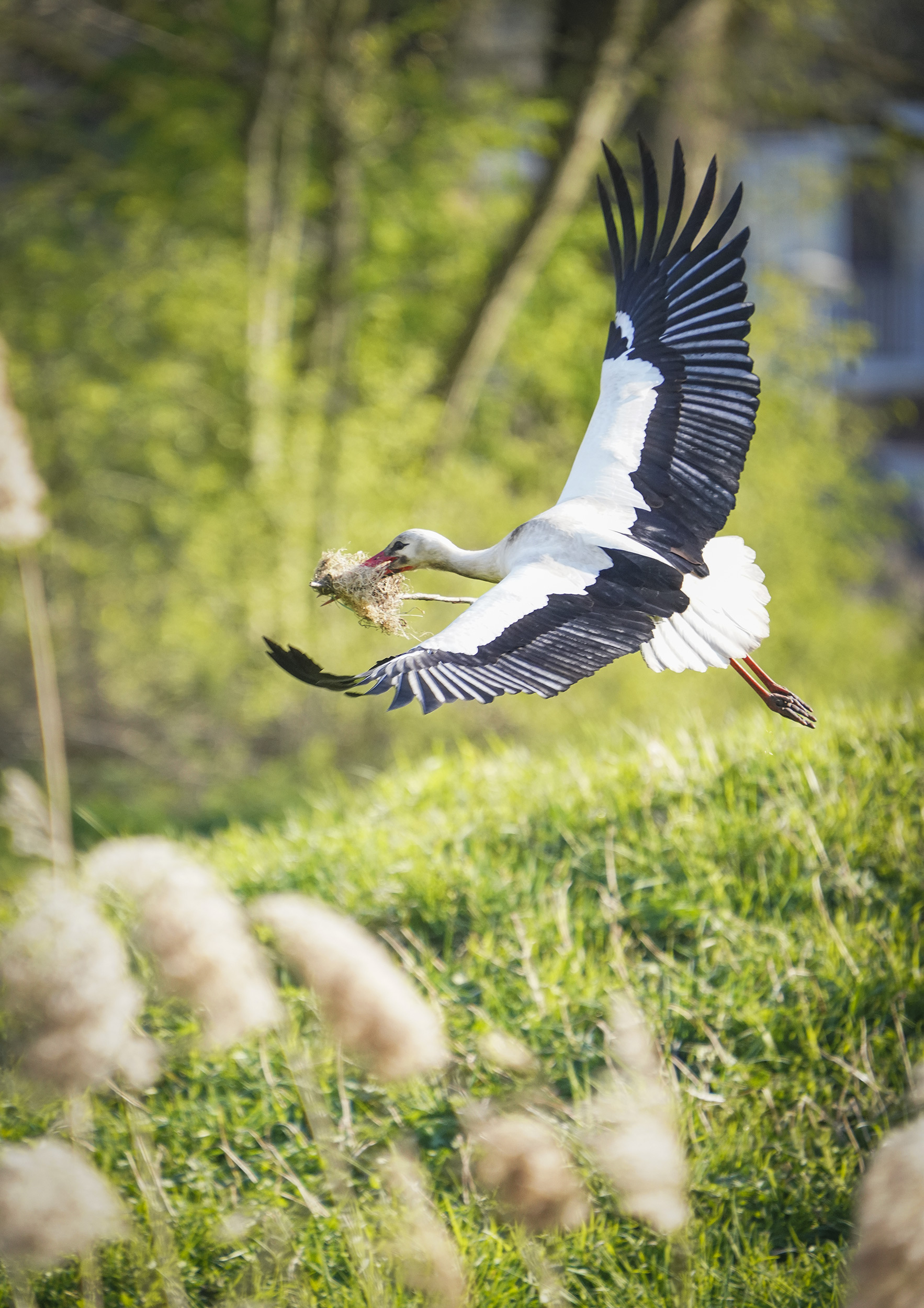 © Kiki Hendriks | Sony α1 II + FE 200-600mm f/5.6-6.3 G OSS | 1/1250s @ f/6.3, ISO 2000
“I actually got into photography before athletics,” she explains, “and right from the start it was an escape for me, a chance to combine the enjoyment of being in nature with something creative. My grandmother liked it,” she remembers, “and she let me borrow her camera to experiment. At school, a teacher also encouraged me, and I ended up going on photographic exchange weeks with students from Poland. It gave me lots of opportunities to shoot and meet others who love photography, too.”
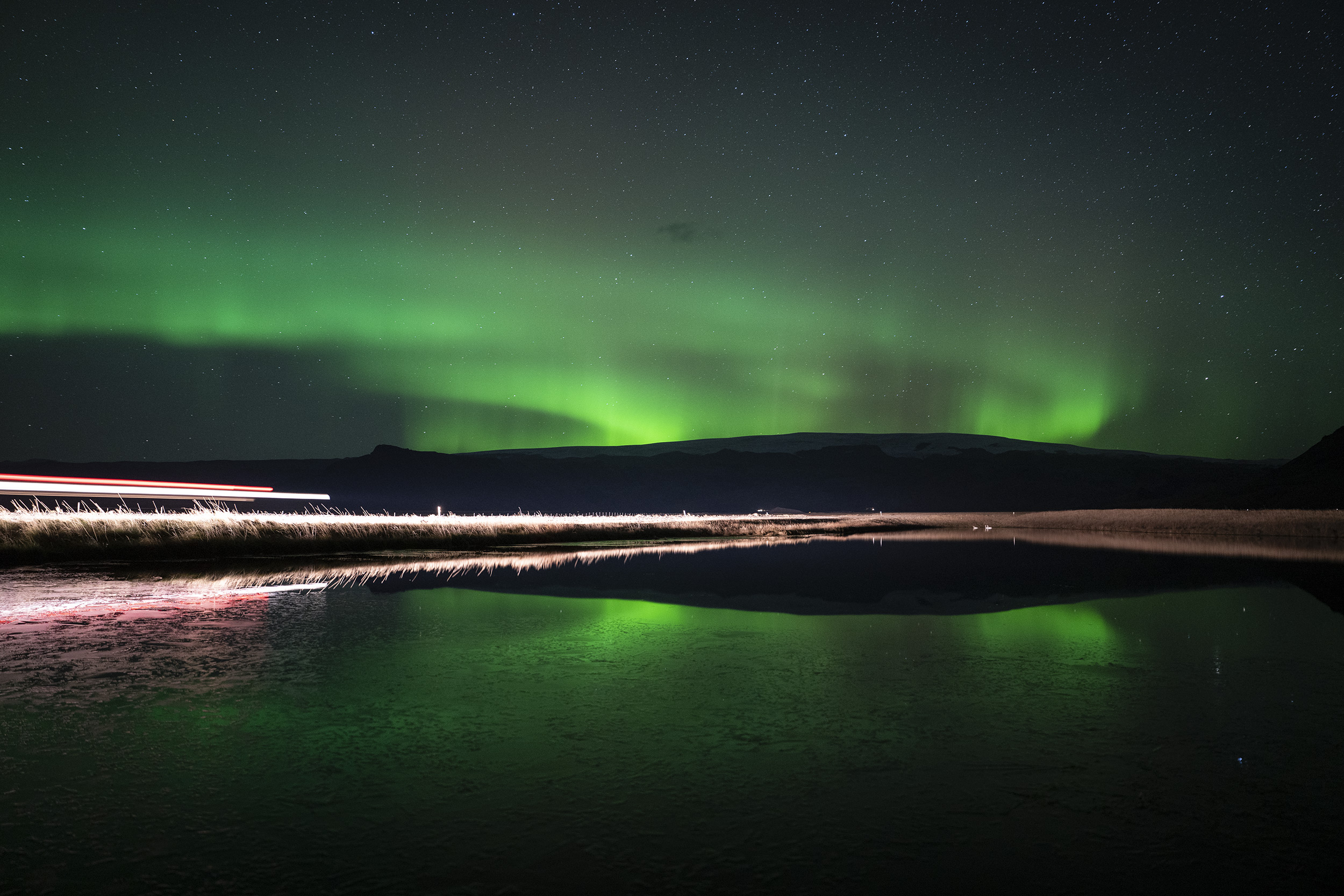 © Kiki Hendriks | Sony α7R III + FE 24-70mm f/2.8 GM II | 1/160s @ f/2.8, ISO 100
“Today, my photography is a perfect release from the grind of training and competition,” Kiki continues, “and on my rest days I almost always go out with my camera. I love to walk in the park or the fields, or sit and wait for a moment to open up before me. It’s very relaxing being in those environments, and though life in athletics is fast, when I’m with my camera I enjoy slowing down, waiting and being patient.”
Living in Amsterdam, Kiki often visits the Amsterdamse Waterleidingduinen, a protected 3,400-hectare nature reserve on the coastline between Zandvoort and Noordwijk to indulge in her wildlife photography. Home to Fallow deer, foxes, and over 100 breeding species of birds, it’s a rich environment for nature lovers like her, though she also shoots landscapes when on vacation and documents her fellow competitors from the trackside in the downtime between events.
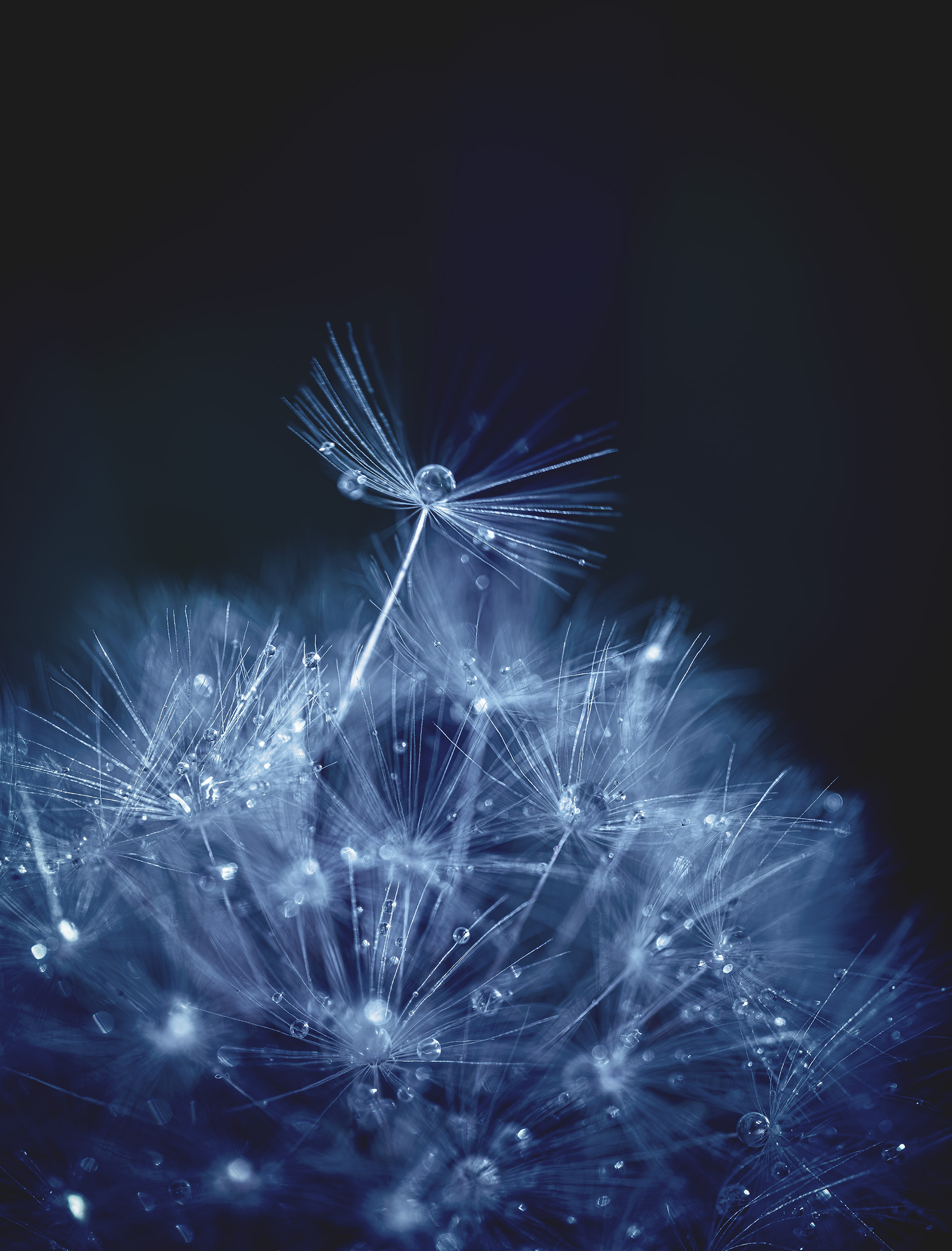 © Kiki Hendriks | Sony α7R III + 105mm f/2.8 Macro | 1/250s @ f/2.8, ISO 100
“I love going out to places like the Waterleidingduinen, because there is always wildlife to shoot,” she says. “And even early on, shooting small animals, insects and birds was fascinating for me, especially when using a macro lens, which let me see details I never normally would. Macro is also something that lets me play with sharpness, which I’ve always loved to do. You’re so close that there’s always lots of blur in the background and foreground, and the interplay of focus changes even with the smallest movements. It’s fascinating to me.”
Kiki also enjoys making closeups with non-macro lenses, like her Sony FE 200-600mm f/5.6-6.3 G OSS. “It’s surprising how close you can get with that lens,” she says, recalling a recent encounter with a dragonfly. “I went out that day to photograph the deer, but I actually went to the wrong entrance of the park and there were none to be seen. As I was walking home I stopped to sit in the grass and have a drink and it was then I noticed the dragonflies coming and going. I thought I didn’t have the right lens with me, but I decided that I’d make the effort and give it a go anyway. Then the one I was waiting for landed in just the right spot.”
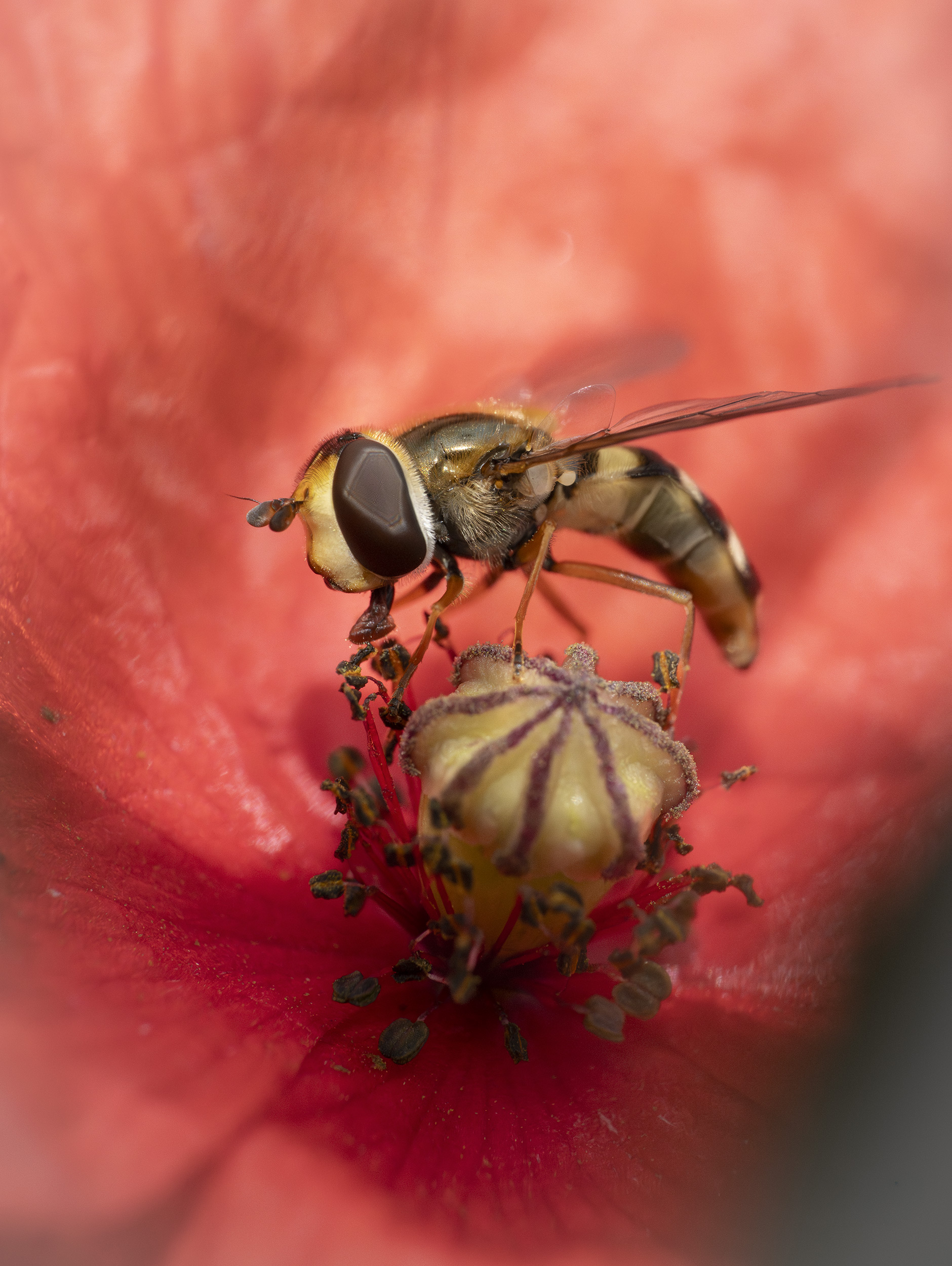 © Kiki Hendriks | Sony α1 II + 100mm f/2.8 Macro | 1/2000s @ f/13, ISO 4000
With the physical challenges that she’s faced since she was a child, using a large lens and a sophisticated camera like her current Sony Alpha 1 II could seem impossible to some, but for Kiki it’s just another hurdle to leap. “For me it’s normal to have to work harder at things, because the world is made for people with two hands! On my right arm I wear a prosthetic hand which can open and close, and I often use this to balance the lens on. Then I use my thumb on my left hand to change settings and trip the shutter. My thumb saves me, because otherwise it would be very difficult!”
Using accessories like a monopod and a gimbal head also helps with stability, Kiki explains, as does a remote shutter release cable occasionally. But, like her sporting successes, it’s all bound together by a positive attitude and practice. “With photography I really just took my time at it,” she says. “Some things worked and some didn’t. For me nothing is impossible as long as you try and figure it out. There’s always a way to make it work.”
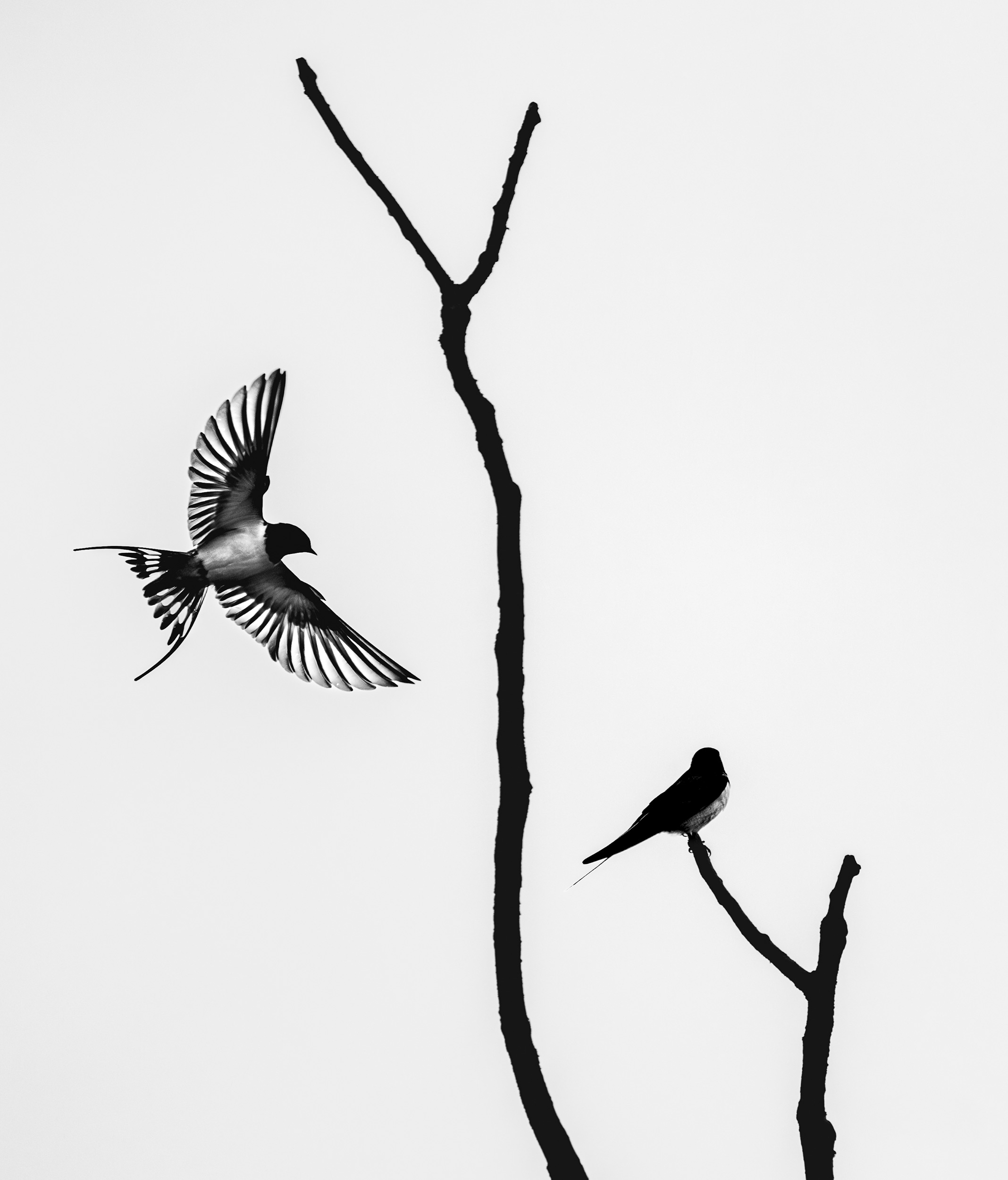 © Kiki Hendriks | Sony α1 II + FE 200-600mm f/5.6-6.3 G OSS | 1/3200s @ f/6.3, ISO 160
“Several features of my Sony Alpha 1 II also help, like the ability to customise inputs on the camera and lens,” she says. “That’s particularly true of the autofocus, which I remap to buttons that are easier for me to reach. And the camera’s autofocus performance in general is incredibly important. The fact is, I can set the AF to track a particular subject and it will do that anywhere in the frame, without any additional input from me, so I can concentrate on the composition. The AF and the frame rate are quick enough for any wildlife subject, too.”
“The Steady Shot image stabilization in the camera body and lenses also help me when following subjects,” she continues, “or if I need to change composition quickly and am a bit off balance. And the lightness of my gear is important, too, especially as I’m balancing it on my right arm a lot of the time. When I started out 10 years ago, both cameras and lenses were much larger and heavier, but models like the FE 24-70mm f/2.8 GM II that I use for landscapes have shaved off a huge amount of weight since.”
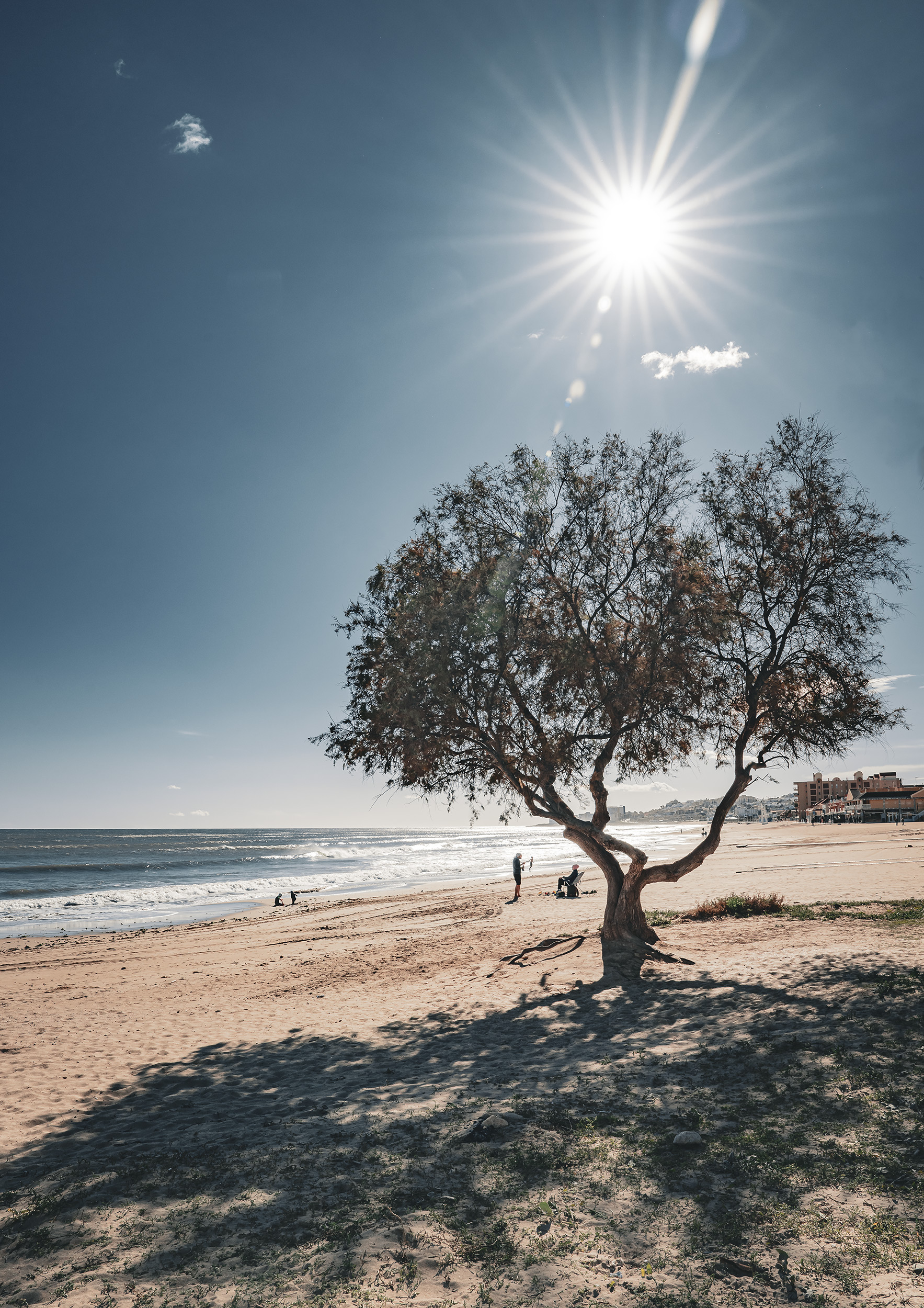 © Kiki Hendriks | Sony α7R III + FE 24-70mm f/2.8 GM II | 1/640s @ f/13, ISO 320
Away from the competition of the track, when she’s using her camera, Kiki sees and feels things she’d normally miss, she says. “I’m more observational and more present, and it has also helped me open up to other people,” she finishes. “When I started out, I was a shy kid, but photography actually helped with that. The excitement I had for it helped me connect with other photographers, people who shared that same passion.”
“When I’m competing, training and travelling, it takes up 90% of my time, and often all I see are the insides of airports, buses and stadiums. Of course, I love being part of that, but it also makes the time I get to go out with my camera even more special. My dream is to take the Alpha 1 II with me on safari, which I’m hoping I’ll get to do after competing in the 2028 Paralympics. I’ll just keep pushing towards both.”


